

50 toea (Saint John Ambulance) – Papua New Guinea
Add to wishlist
Circulating commemorative coins
Commemoration: 50th Anniversary of the Saint John Ambulance
Papua New Guinea
Context
Material
Diameter: 30 mm
Weight: 12.1 g
Thickness: 2.5 mm
Shape: Heptagonal
Technique: Milled
Alignment: Medal alignment
flip
References
KM: #
Numista: #9799
Value
Exchange value: 0.50 PGK
Obverse
Description:
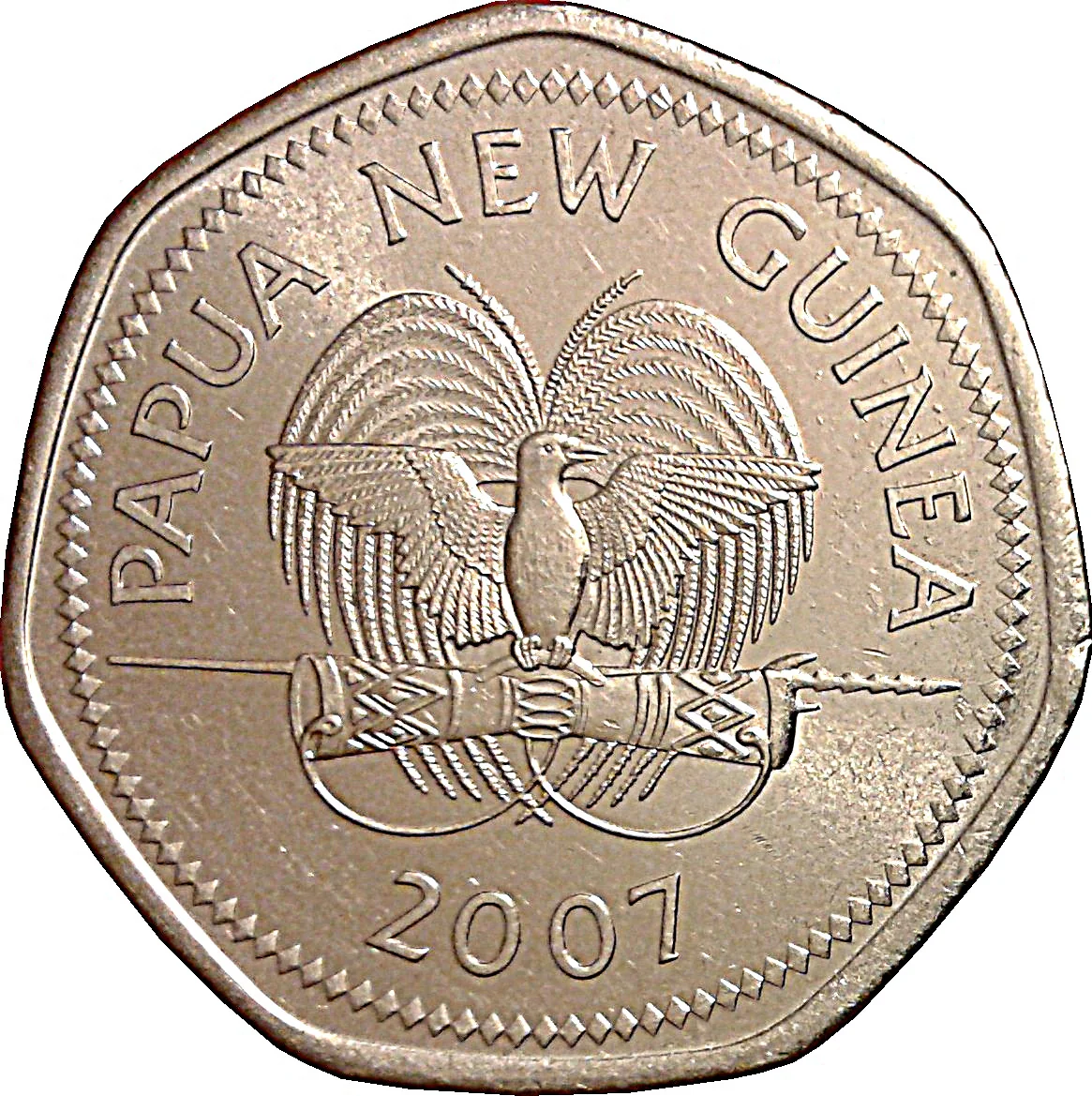
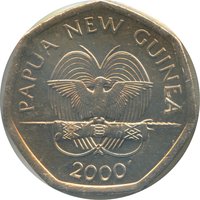
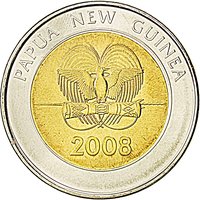
A bird-of-paradise above a spear and kundu drum.
Inscription:
PAPUA NEW GUINEA
2007
2007
Script: Latin
Reverse
Description:
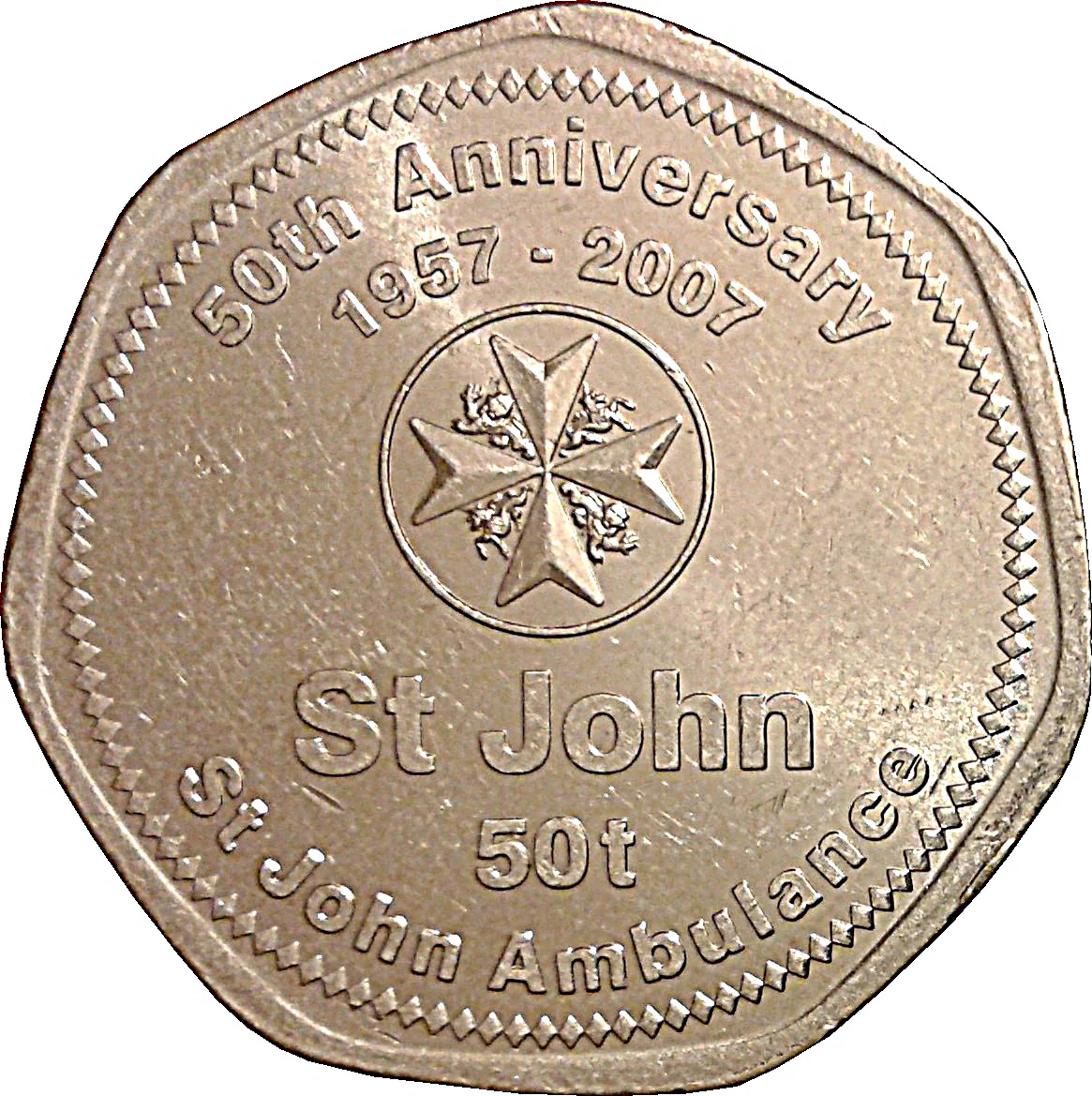
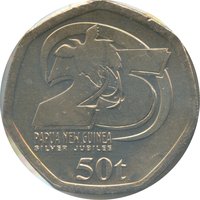
Ambulance service emblem
Inscription:
50th Anniversary
1957 - 2007
St John
50t
St John Ambulance
1957 - 2007
St John
50t
St John Ambulance
Script: Latin
Edge
Alternating smooth and striated
Categories
| Animal> Bird |
| Art> Music |
| Symbol> Cross |
| Symbols> Coat of Arms |
| Object> Cold weapons |
Mints
| Name | Mark |
|---|---|
| Royal Canadian Mint of Ottawa | — |
Mintings
| Year | Mint Mark | Mintage | Quality | Collection |
|---|---|---|---|---|
| 2007 | — | — | BU | |
| 2007 | — | — |
Historical background
In 2007, Papua New Guinea's currency, the kina (PGK), was operating under a managed float regime, but it faced significant upward pressure and appreciation against major currencies, particularly the US dollar and the Australian dollar. This strength was largely driven by high global commodity prices, especially for PNG's key exports of gold, copper, oil, and liquefied natural gas (LNG). Surging export revenues created strong foreign currency inflows, which increased demand for the kina and pushed its value higher. This appreciation was a double-edged sword, benefiting importers by making foreign goods cheaper but hurting the competitiveness of the country's non-mining exporters, such as coffee, palm oil, and cocoa producers.
The situation presented a complex challenge for the Bank of Papua New Guinea (BPNG), the country's central bank. To curb the kina's rapid rise and support the struggling agricultural export sector, BPNG actively intervened in the foreign exchange market throughout the year, purchasing excess US dollars to build its foreign reserves and suppress the kina's value. This intervention was substantial, with foreign reserves growing significantly. However, these actions also contributed to a rapid expansion of the domestic money supply, raising concerns about potential inflationary pressures in the future.
By the end of 2007, the kina had appreciated approximately 10% against the US dollar for the year, a trend that concerned the government and many businesses. The currency's strength highlighted the growing dichotomy within PNG's economy—a booming, foreign currency-generating resource sector juxtaposed against a more traditional agricultural sector facing hardship. This period set the stage for ongoing policy debates about how to manage "Dutch disease" effects and ensure that resource wealth translated into broader economic stability and development.
The situation presented a complex challenge for the Bank of Papua New Guinea (BPNG), the country's central bank. To curb the kina's rapid rise and support the struggling agricultural export sector, BPNG actively intervened in the foreign exchange market throughout the year, purchasing excess US dollars to build its foreign reserves and suppress the kina's value. This intervention was substantial, with foreign reserves growing significantly. However, these actions also contributed to a rapid expansion of the domestic money supply, raising concerns about potential inflationary pressures in the future.
By the end of 2007, the kina had appreciated approximately 10% against the US dollar for the year, a trend that concerned the government and many businesses. The currency's strength highlighted the growing dichotomy within PNG's economy—a booming, foreign currency-generating resource sector juxtaposed against a more traditional agricultural sector facing hardship. This period set the stage for ongoing policy debates about how to manage "Dutch disease" effects and ensure that resource wealth translated into broader economic stability and development.
🌱 Common