

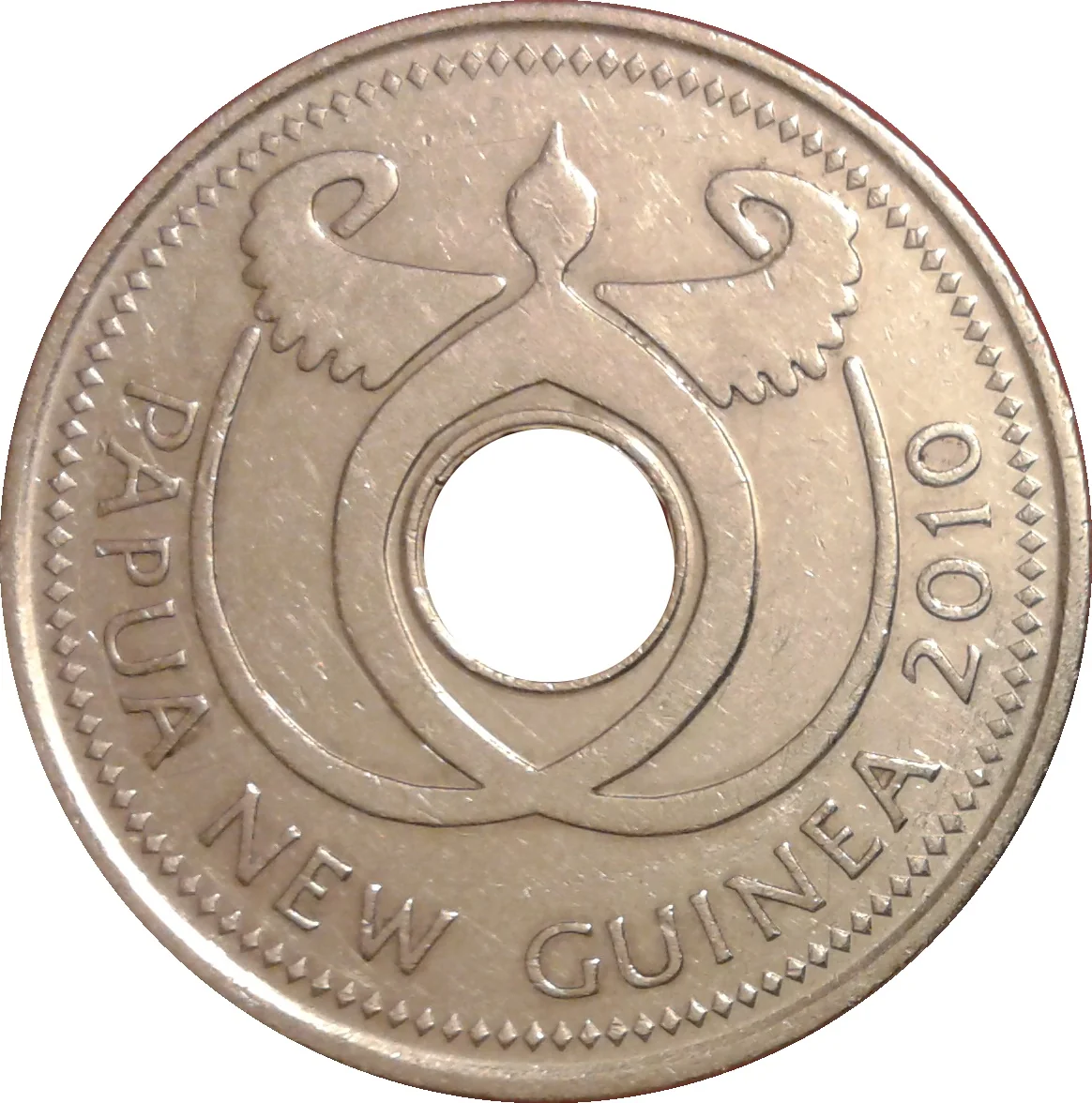
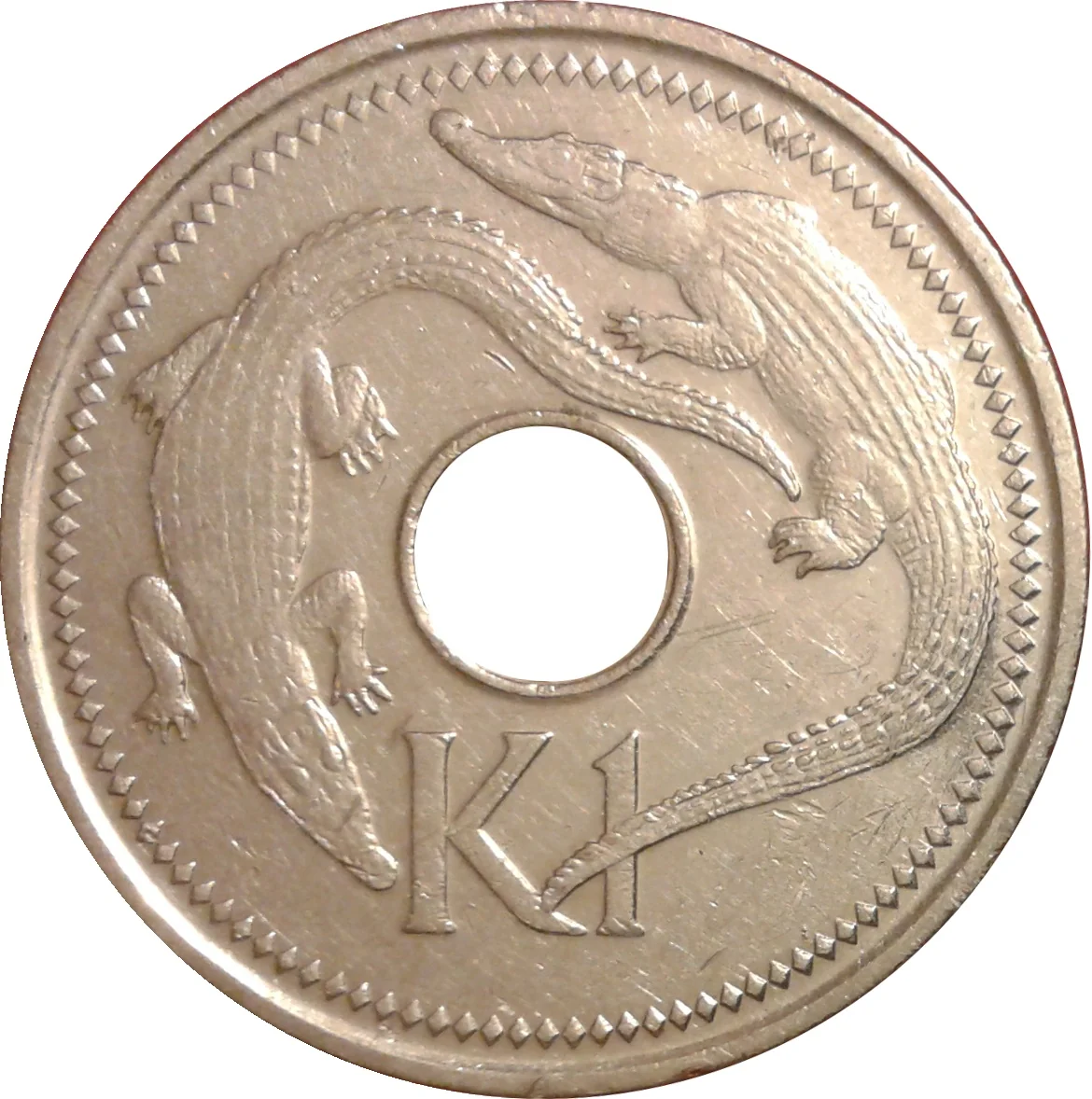
1 kina – Papua New Guinea
Add to wishlist
Papua New Guinea
Context
Material
Diameter: 30 mm
Weight: 11.13 g
Thickness: 2.2 mm
Shape: Round with a round hole
Technique: Milled
Alignment: Medal alignment
flip
References
KM: #
Numista: #9798
Value
Exchange value: 1 PGK
Obverse
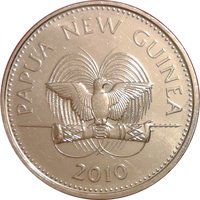
Reverse
Edge
Reeded
Mints
| Name | Mark |
|---|---|
| Royal Mint | — |
Mintings
| Year | Mint Mark | Mintage | Quality | Collection |
|---|---|---|---|---|
| 2005 | — | — | ||
| 2009 | — | — | ||
| 2010 | — | — |
Historical background
In 2005, Papua New Guinea's currency, the kina (PGK), operated under a managed float regime, a system established in 1994 after moving away from a peg to the Australian dollar. The Bank of Papua New Guinea (BPNG) actively intervened in the foreign exchange market to smooth out excessive volatility and maintain broad stability, particularly against the US dollar and the Australian dollar. This period was characterized by a general trend of kina appreciation, driven primarily by high global commodity prices, especially for PNG's key exports of minerals, oil, and liquefied natural gas (LNG). The strong inflows from these resource sectors bolstered the country's foreign reserves and exerted upward pressure on the currency's value.
However, this macroeconomic strength masked underlying structural challenges. The economy faced a persistent issue known as the "Dutch disease," where the booming resource sector threatened to crowd out other industries like agriculture and manufacturing by making the kina stronger and their exports less competitive. Furthermore, the foreign exchange market often experienced periods of illiquidity and a backlog of unmet corporate demand for foreign currency, as the central bank's interventions to manage the appreciation sometimes created shortages for importers and other businesses. This mismatch between strong mineral sector inflows and the limited availability of foreign currency in the formal banking system was a point of tension.
Overall, the 2005 currency situation reflected a dual reality: a kina strengthened by a robust resource boom, which provided stability and contained inflation, but also a system struggling with market inefficiencies and the distorting effects of a narrow export base. The BPNG walked a fine line, aiming to prevent excessive appreciation that would harm non-resource sectors while also ensuring sufficient foreign currency was available to support essential imports and service the country's external debt. This balancing act set the stage for ongoing debates about monetary policy and economic diversification in the years that followed.
However, this macroeconomic strength masked underlying structural challenges. The economy faced a persistent issue known as the "Dutch disease," where the booming resource sector threatened to crowd out other industries like agriculture and manufacturing by making the kina stronger and their exports less competitive. Furthermore, the foreign exchange market often experienced periods of illiquidity and a backlog of unmet corporate demand for foreign currency, as the central bank's interventions to manage the appreciation sometimes created shortages for importers and other businesses. This mismatch between strong mineral sector inflows and the limited availability of foreign currency in the formal banking system was a point of tension.
Overall, the 2005 currency situation reflected a dual reality: a kina strengthened by a robust resource boom, which provided stability and contained inflation, but also a system struggling with market inefficiencies and the distorting effects of a narrow export base. The BPNG walked a fine line, aiming to prevent excessive appreciation that would harm non-resource sectors while also ensuring sufficient foreign currency was available to support essential imports and service the country's external debt. This balancing act set the stage for ongoing debates about monetary policy and economic diversification in the years that followed.
🌱 Common