

20 toea – Papua New Guinea
Add to wishlist
Papua New Guinea
Context
Years: 2004–2021
Issuer: Papua New Guinea
Ruler: Elizabeth II
Currency:
(since 1975)
Total mintage: 24,970,000
Material
References
KM: #
Numista: #5560
Value
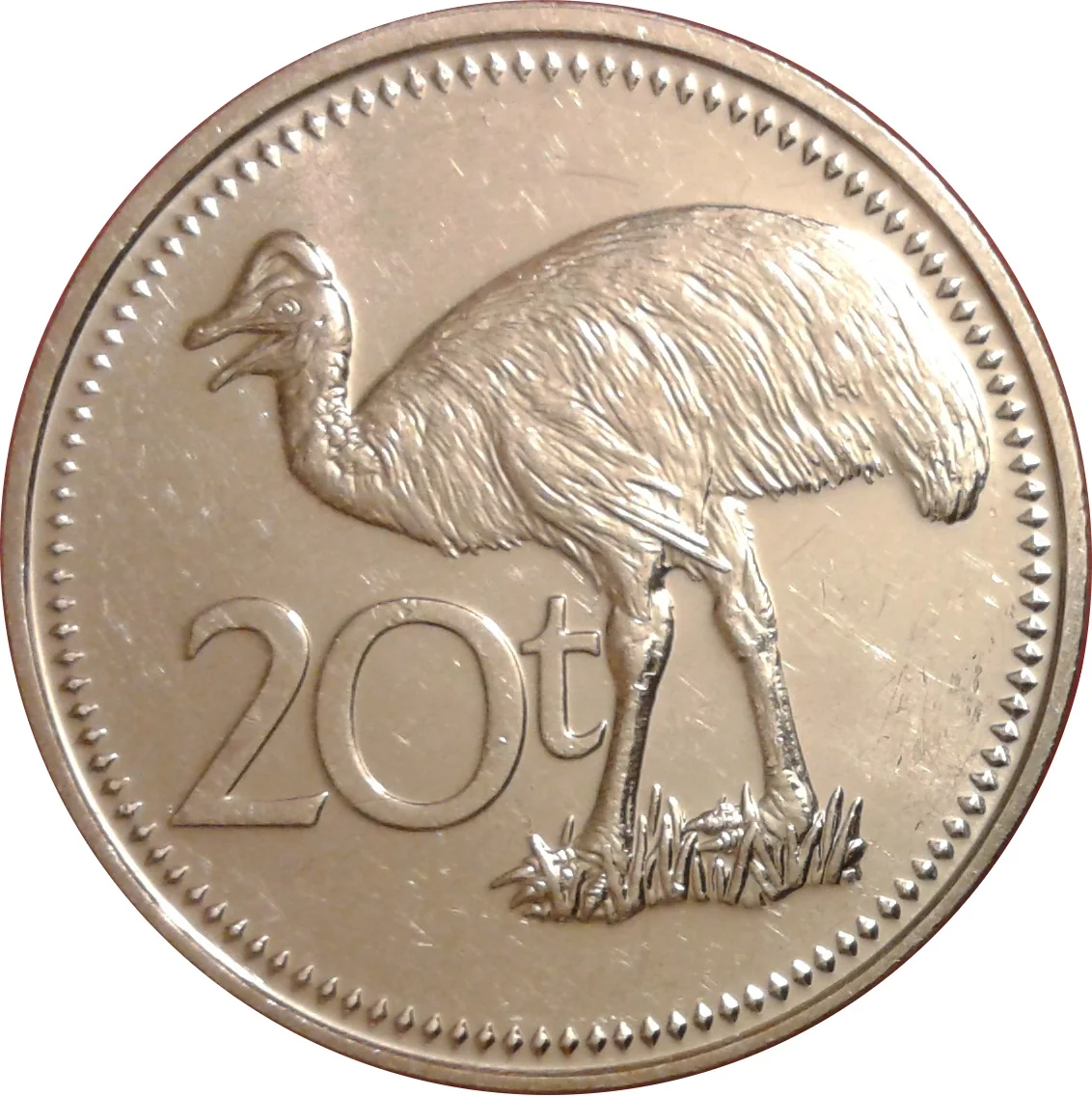
Exchange value: 0.20 PGK
Obverse
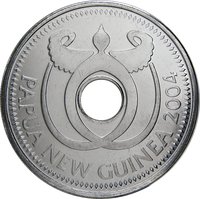
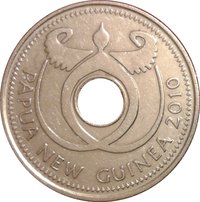
Description:
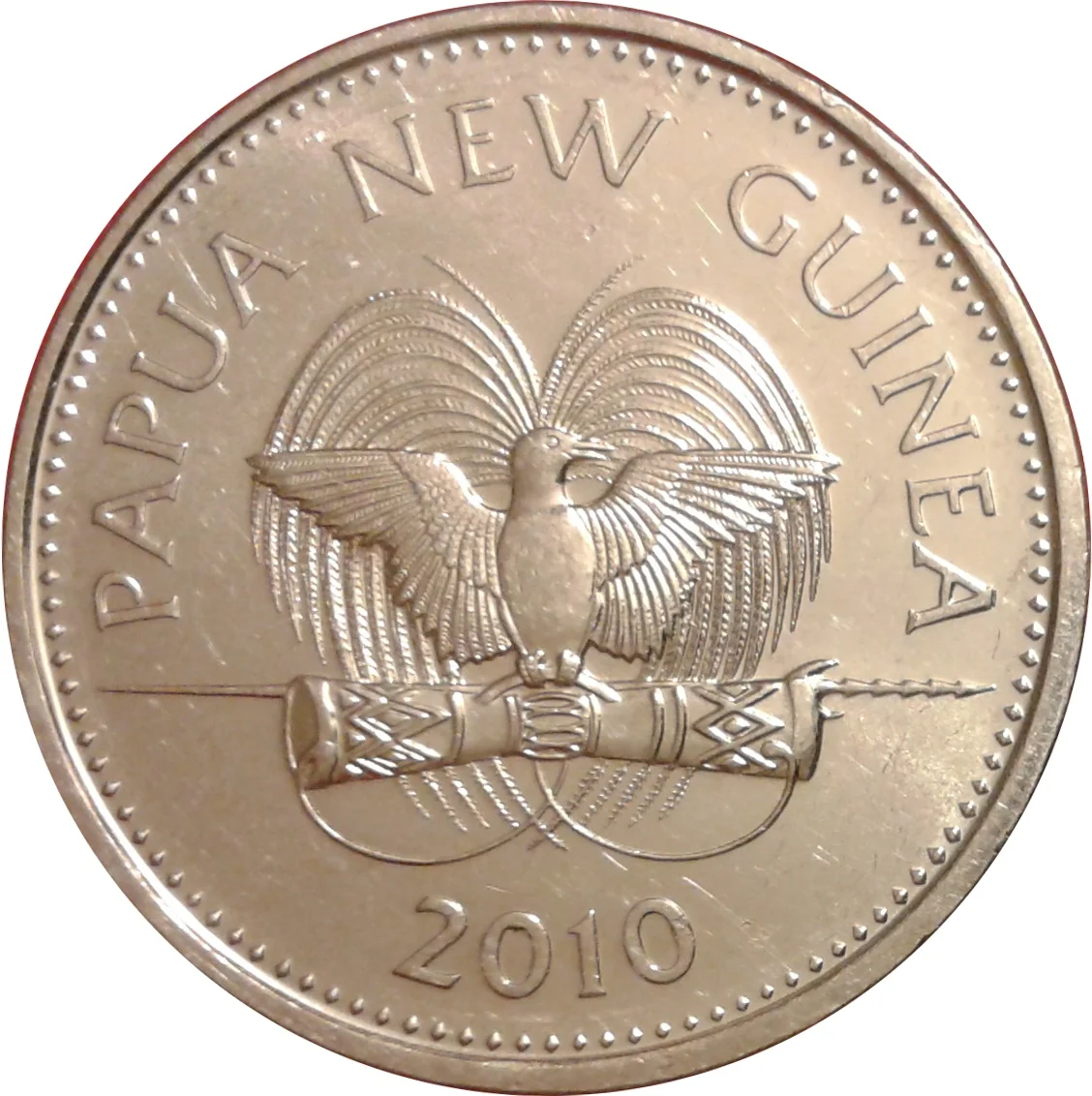
A bird-of-paradise above a spear and kundu drum.
Inscription:
PAPUA NEW GUINEA
2010
2010
Script: Latin
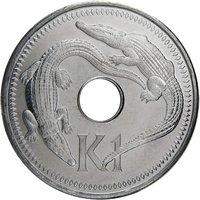
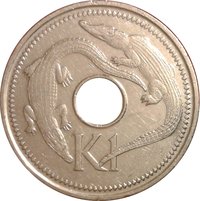
Reverse
Edge
Reeded
Categories
| Object> Cold weapons |
| Animal> Bird |
| Art> Music |
| Symbols> Coat of Arms |
Mints
| Name | Mark |
|---|---|
| Royal Australian Mint | — |
| Royal Canadian Mint of Winnipeg | — |
Mintings
| Year | Mint Mark | Mintage | Quality | Collection |
|---|---|---|---|---|
| 2004 | — | — | ||
| 2005 | — | — | ||
| 2006 | — | — | ||
| 2009 | — | — | ||
| 2010 | — | — | ||
| 2021 | — | 24,970,000 |
Historical background
In 2004, Papua New Guinea's currency, the kina (PGK), operated under a managed float system, but was effectively heavily influenced by the Bank of Papua New Guinea (BPNG) to maintain stability. The period was characterized by a relatively stable but constrained exchange rate, with the kina pegged to a basket of currencies, heavily weighted towards the Australian dollar (AUD) and the US dollar (USD). This policy aimed to control inflation and provide predictability for the import-dependent economy and the crucial mining and petroleum export sectors, which generated the foreign currency inflows needed to support the kina's value.
However, this stability masked underlying economic pressures. A significant concern was foreign exchange rationing, where the central bank managed a backlog of orders from businesses needing foreign currency to pay for imports. This created a liquidity squeeze in the forex market, frustrating investors and importers who faced delays in accessing US dollars. The situation was a symptom of structural issues: while high global commodity prices boosted export earnings, these revenues were volatile and not always efficiently translated into sustained forex liquidity for the broader economy.
The government, led by Prime Minister Sir Michael Somare, and the BPNG under Governor Wilson Kamit, faced the delicate task of managing these pressures without triggering a destabilizing devaluation. Efforts focused on building foreign reserves and encouraging greater forex inflows through the formal banking system. The currency regime of 2004 thus reflected a balancing act—prioritizing short-term stability to curb inflation and social unrest, while grappling with the longer-term challenges of dollar dependency, a narrow export base, and the need for deeper economic reforms to improve forex generation and market efficiency.
However, this stability masked underlying economic pressures. A significant concern was foreign exchange rationing, where the central bank managed a backlog of orders from businesses needing foreign currency to pay for imports. This created a liquidity squeeze in the forex market, frustrating investors and importers who faced delays in accessing US dollars. The situation was a symptom of structural issues: while high global commodity prices boosted export earnings, these revenues were volatile and not always efficiently translated into sustained forex liquidity for the broader economy.
The government, led by Prime Minister Sir Michael Somare, and the BPNG under Governor Wilson Kamit, faced the delicate task of managing these pressures without triggering a destabilizing devaluation. Efforts focused on building foreign reserves and encouraging greater forex inflows through the formal banking system. The currency regime of 2004 thus reflected a balancing act—prioritizing short-term stability to curb inflation and social unrest, while grappling with the longer-term challenges of dollar dependency, a narrow export base, and the need for deeper economic reforms to improve forex generation and market efficiency.
🌱 Very Common