

1 Dollar – Eastern Caribbean States
Context
Years: 2002–2007
Issuer: Eastern Caribbean States
Issuing organization: Eastern Caribbean Central Bank
Ruler: Elizabeth II
Currency:
(since 1965)
Material
Diameter: 26.5 mm
Weight: 7.98 g
Thickness: 1.92 mm
Shape: Round
Composition: Copper-nickel
Technique: Milled
Alignment: Medal alignment
flip
References
KM: #Click to copy to clipboard39
Numista: #2601
Value
Exchange value: 1 XCD
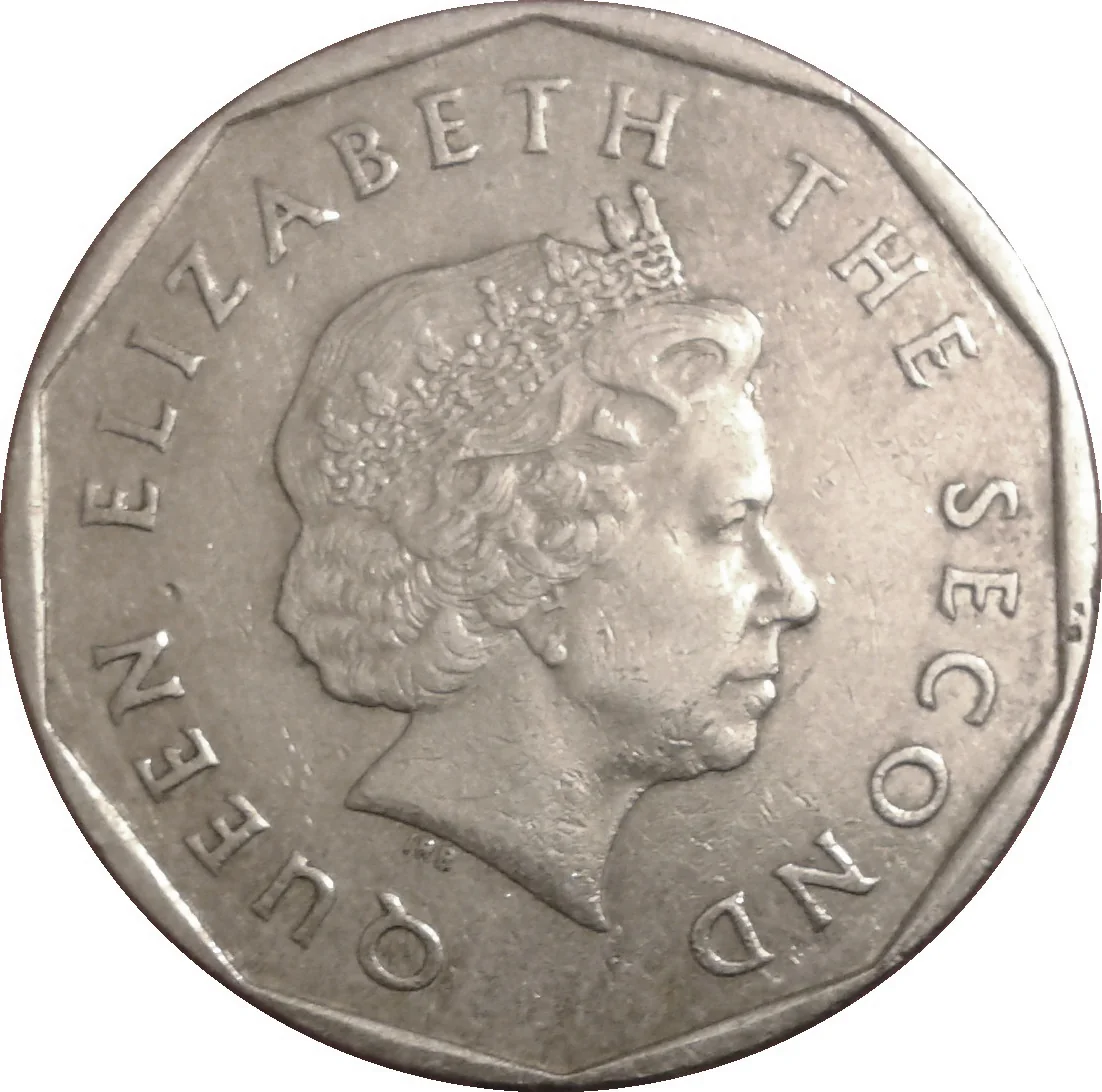
Obverse
Description:
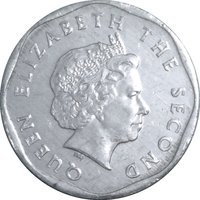
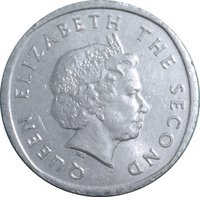
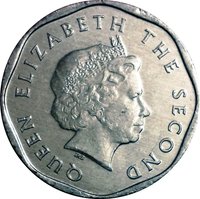
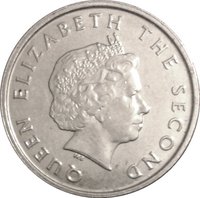
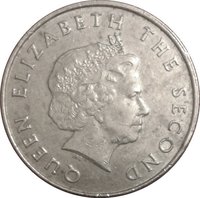
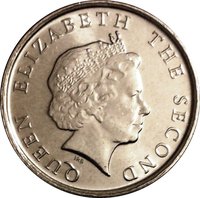
Portrait of Queen Elizabeth II in profile.
Inscription:
QUEEN ELIZABETH THE SECOND
IRB
IRB
Script: Latin
Engraver: Ian Rank-Broadley
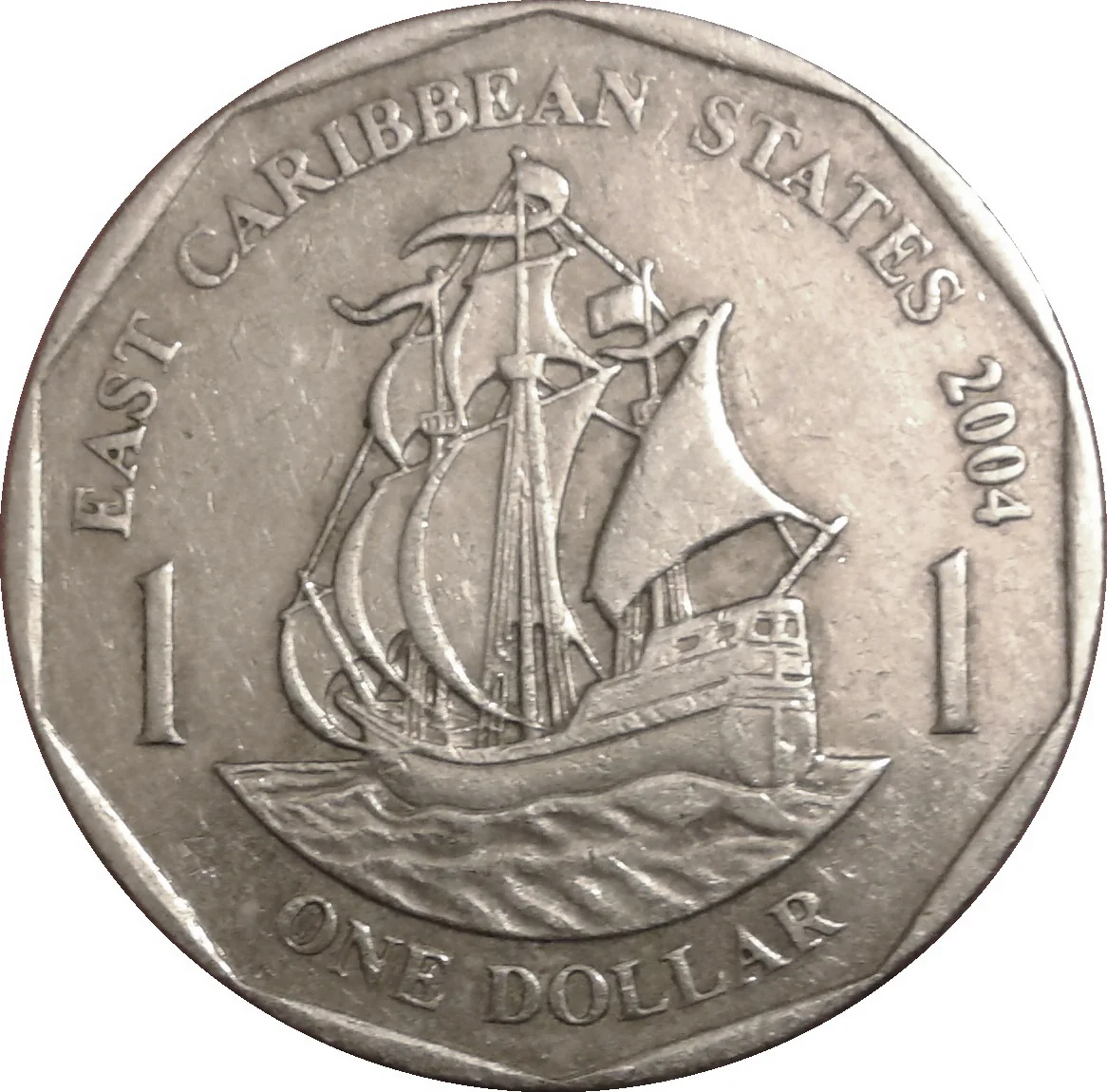
Reverse
Description:
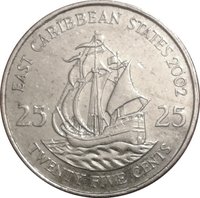
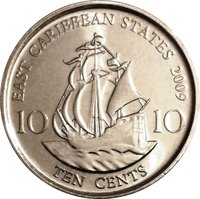
Sir Francis Drake's ship, the *Golden Hind*.
Inscription:
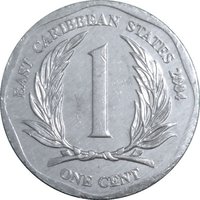
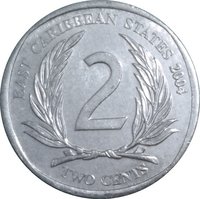
EAST CARIBBEAN STATES 2004
1 1
ONE DOLLAR
1 1
ONE DOLLAR
Script: Latin
Engraver: Thomas Humphrey Paget
Edge
Segmented reeding
Categories
| Transportation> Watercraft |
Mints
| Name | Mark |
|---|---|
| Royal Mint | — |
Mintings
| Year | Mint Mark | Mintage | Quality | Collection |
|---|---|---|---|---|
| 2002 | — | — | ||
| 2004 | — | — | ||
| 2007 | — | — |
Historical background
In 2002, the eight member states of the Eastern Caribbean Currency Union (ECCU)—Antigua and Barbuda, Dominica, Grenada, St. Kitts and Nevis, St. Lucia, St. Vincent and the Grenadines, along with the non-independent territories of Anguilla and Montserrat—operated under a long-established and stable monetary framework. Their common currency, the Eastern Caribbean dollar (EC$), had been pegged to the US dollar at a fixed rate of EC$2.70 to US$1 since 1976. This arrangement was managed by the Eastern Caribbean Central Bank (ECCB), headquartered in St. Kitts, which served as both a central bank and a monetary authority, ensuring currency stability and facilitating economic integration.
The regional economy in 2002 was navigating a period of significant challenge and transition. Key traditional sectors, particularly banana exports, were under severe pressure due to the loss of preferential trade agreements with the European Union. Concurrently, the tourism industry—increasingly the economic linchpin for most islands—was still recovering from the sharp downturn following the September 11, 2001 attacks, which had severely disrupted travel. These external shocks exposed structural vulnerabilities, including high public debt burdens and concerns over economic diversification, all within the constraints of the fixed exchange rate regime which limited independent monetary policy.
Despite these pressures, the ECCB maintained a firm commitment to the peg, which was widely viewed as a critical anchor for price stability and investor confidence in small, open economies vulnerable to external shocks. The Bank's foreign reserves, while under watch, were deemed adequate to defend the parity. The overarching narrative of 2002 was thus one of resilience within a tested system; the ECCU prioritized the preservation of its hard-won monetary stability—a cornerstone of regional identity and cooperation—even while grappling with the urgent need for fiscal consolidation and economic restructuring to address underlying weaknesses.
The regional economy in 2002 was navigating a period of significant challenge and transition. Key traditional sectors, particularly banana exports, were under severe pressure due to the loss of preferential trade agreements with the European Union. Concurrently, the tourism industry—increasingly the economic linchpin for most islands—was still recovering from the sharp downturn following the September 11, 2001 attacks, which had severely disrupted travel. These external shocks exposed structural vulnerabilities, including high public debt burdens and concerns over economic diversification, all within the constraints of the fixed exchange rate regime which limited independent monetary policy.
Despite these pressures, the ECCB maintained a firm commitment to the peg, which was widely viewed as a critical anchor for price stability and investor confidence in small, open economies vulnerable to external shocks. The Bank's foreign reserves, while under watch, were deemed adequate to defend the parity. The overarching narrative of 2002 was thus one of resilience within a tested system; the ECCU prioritized the preservation of its hard-won monetary stability—a cornerstone of regional identity and cooperation—even while grappling with the urgent need for fiscal consolidation and economic restructuring to address underlying weaknesses.
🌱 Very Common