

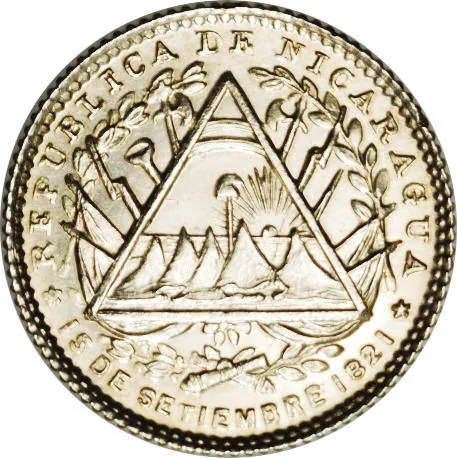
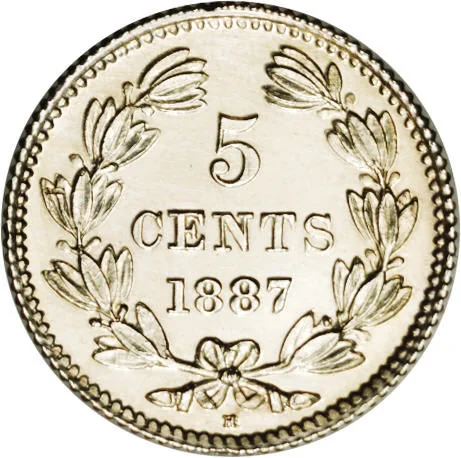
5 Centavos – Nicaragua
Nicaragua
Context
Material
References
KM: #Click to copy to clipboard5
Numista: #25714
Value
Bullion value: $2.91
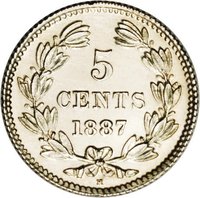
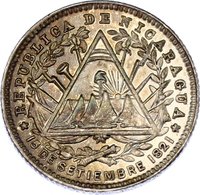
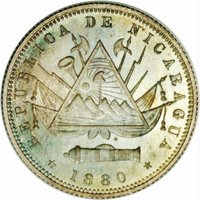
Obverse
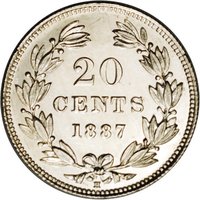
Reverse
Edge
Milled
Categories
| Symbols> Coat of Arms |
| Symbol> Wreath |
Mints
| Name | Mark |
|---|---|
| Heaton and Sons / The Mint Birmingham | H |
Historical background
In 1887, Nicaragua’s currency situation was characterized by significant instability and fragmentation, a legacy of political turmoil and economic underdevelopment. The nation had no unified, state-issued paper currency. Instead, the monetary landscape was a complex patchwork of foreign silver coins, primarily the Mexican peso and other Latin American republic coins, which circulated alongside privately issued banknotes. These notes, from institutions like the Banco de Nicaragua and the Banco de la Union, were of questionable value and limited acceptance, often trading at steep discounts outside the capital, Managua. This lack of a strong, centralized currency hindered commerce and state revenue collection.
The root of this monetary disorder lay in Nicaragua's chronic political instability, including the recent "Thirty Years" of conservative rule and the ongoing liberal-conservative conflicts that would soon erupt into revolution. Successive governments lacked the fiscal strength and institutional authority to impose a uniform monetary standard. Furthermore, the economy was heavily dependent on agricultural exports like coffee, which was booming but vulnerable to price swings. This export income flowed in as foreign exchange (gold and silver), but the domestic financial system was too underdeveloped to effectively mobilize this capital or provide a stable medium of exchange for the wider population.
Consequently, the year 1887 fell within a prolonged period of monetary transition. The official standard was the silver peso, but its value fluctuated against gold-standard currencies like the British pound and U.S. dollar, which were crucial for international trade. This instability would eventually lead to reforms, including the adoption of the gold standard in 1912 under the influence of American financial advisors. Thus, in 1887, Nicaragua's currency was not a tool of national economic policy but a symptom of its fragmented sovereignty and a significant obstacle to its modernizing aspirations.
The root of this monetary disorder lay in Nicaragua's chronic political instability, including the recent "Thirty Years" of conservative rule and the ongoing liberal-conservative conflicts that would soon erupt into revolution. Successive governments lacked the fiscal strength and institutional authority to impose a uniform monetary standard. Furthermore, the economy was heavily dependent on agricultural exports like coffee, which was booming but vulnerable to price swings. This export income flowed in as foreign exchange (gold and silver), but the domestic financial system was too underdeveloped to effectively mobilize this capital or provide a stable medium of exchange for the wider population.
Consequently, the year 1887 fell within a prolonged period of monetary transition. The official standard was the silver peso, but its value fluctuated against gold-standard currencies like the British pound and U.S. dollar, which were crucial for international trade. This instability would eventually lead to reforms, including the adoption of the gold standard in 1912 under the influence of American financial advisors. Thus, in 1887, Nicaragua's currency was not a tool of national economic policy but a symptom of its fragmented sovereignty and a significant obstacle to its modernizing aspirations.
🌟 Uncommon