

⅓ farthing – Malta
Add to wishlist
Malta
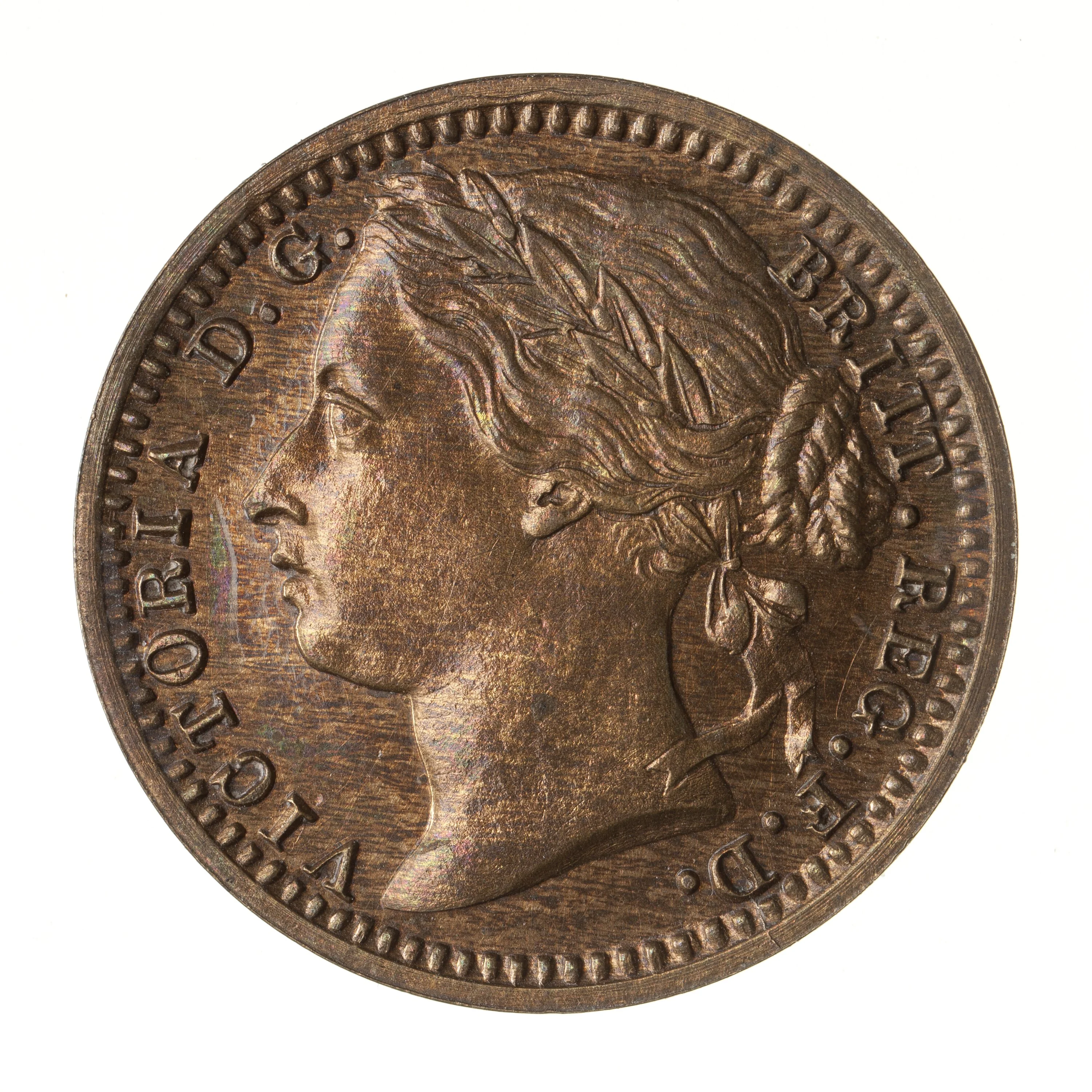
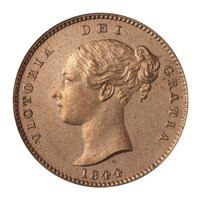
Obverse
Description:
Second laureate portrait of Queen Victoria facing left, encircled by legend.
Inscription:
VICTORIA D. G. BRITT. REG. F. D.
Translation:
Victoria, by the Grace of God, Queen of the Britains, Defender of the Faith.
Script: Latin
Language: Latin
Engraver: Leonard Charles Wyon
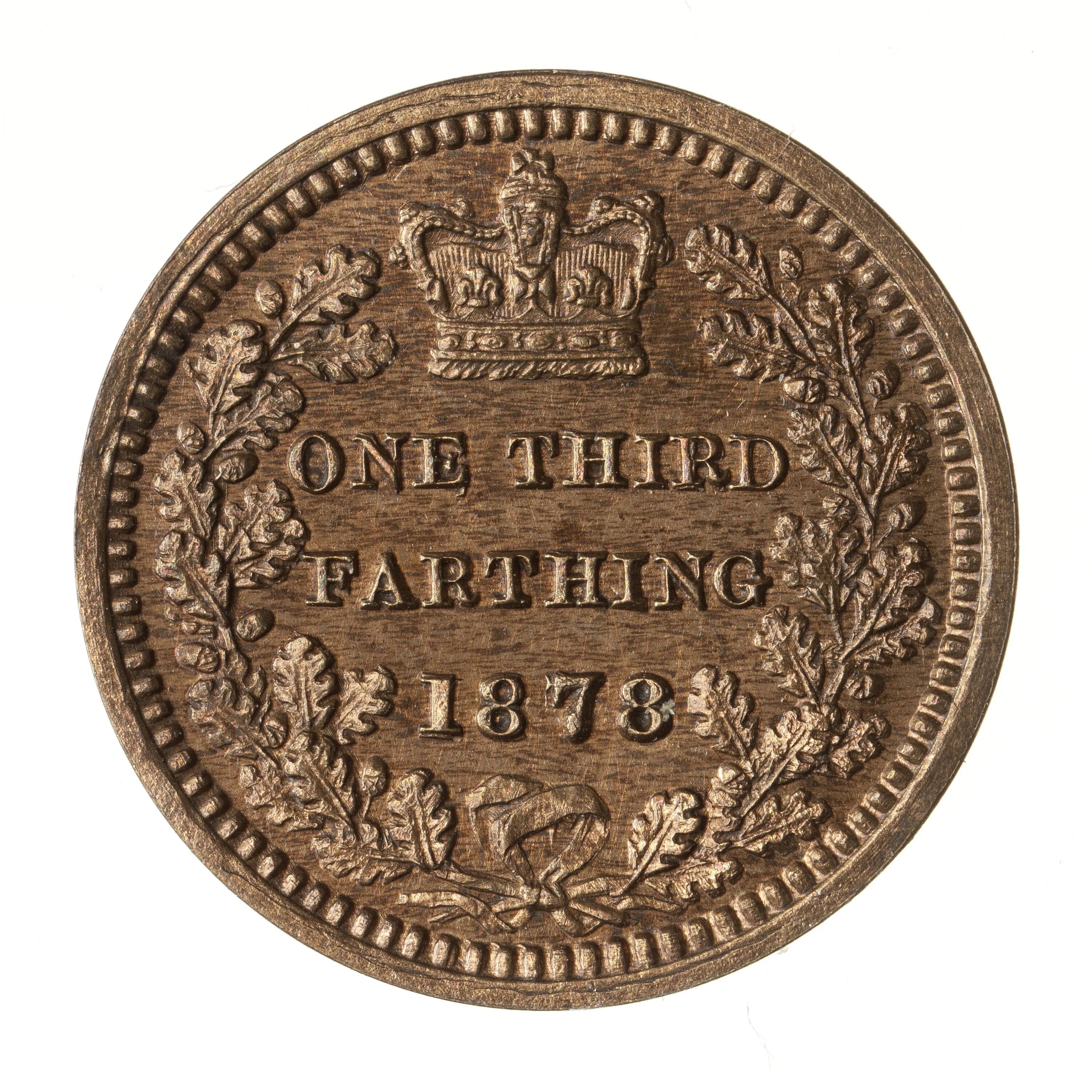
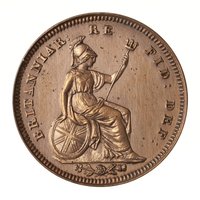
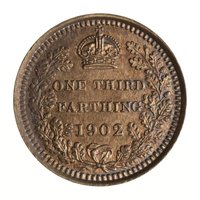
Reverse
Description:
Crowned denomination above date within laurel wreath.
Inscription:
ONE THIRD
FARTHING
1868
FARTHING
1868
Script: Latin
Edge
Plain
Mints
| Name | Mark |
|---|---|
| Royal Mint (Tower Hill) | — |
Mintings
| Year | Mint Mark | Mintage | Quality | Collection |
|---|---|---|---|---|
| 1866 | — | 576,000 | ||
| 1866 | — | — | Proof | |
| 1868 | — | — | Proof | |
| 1868 | — | 144,000 | ||
| 1876 | — | 162,000 | ||
| 1878 | — | 288,000 | ||
| 1878 | — | — | Proof | |
| 1881 | — | 144,000 | ||
| 1884 | — | 144,000 | ||
| 1885 | — | 288,000 | ||
| 1888 | — | — | Proof |
Historical background
In 1866, Malta's currency situation was complex and transitional, reflecting its strategic position within the British Empire. Officially, the island operated on a sterling-based system, with British gold sovereigns and silver coins being legal tender. However, the reality was a fragmented circulation dominated by a multitude of foreign silver coins, particularly Spanish dollars (pieces of eight), Sicilian dollars, and other Mediterranean currencies. These were often worn, clipped, and of uncertain value, leading to confusion in everyday commerce and hindering trade.
The core problem was a chronic shortage of official British small change, which created a vacuum filled by these substandard foreign coins. To bring order, the authorities had, in previous decades, periodically issued fixed exchange rates or "proclamations" valuing these foreign coins in relation to sterling. By 1866, the most recent such proclamation was from 1827, meaning the official rates were outdated and did not reflect the coins' actual, degraded metallic value. This discrepancy encouraged arbitrage and further destabilized the local monetary environment.
Consequently, 1866 fell within a period of active reform. The British colonial government was moving decisively to finally suppress this chaotic system and enforce a uniform sterling currency. This culminated in the Currency Ordinance of 1866, which demonetized all previous foreign silver currencies. From that year onward, only British coinage and newly issued Maltese copper coins (farthings and halfpence) were to be legal tender, marking the decisive end of Malta's old, hybrid monetary system and its full integration into the British sterling zone.
The core problem was a chronic shortage of official British small change, which created a vacuum filled by these substandard foreign coins. To bring order, the authorities had, in previous decades, periodically issued fixed exchange rates or "proclamations" valuing these foreign coins in relation to sterling. By 1866, the most recent such proclamation was from 1827, meaning the official rates were outdated and did not reflect the coins' actual, degraded metallic value. This discrepancy encouraged arbitrage and further destabilized the local monetary environment.
Consequently, 1866 fell within a period of active reform. The British colonial government was moving decisively to finally suppress this chaotic system and enforce a uniform sterling currency. This culminated in the Currency Ordinance of 1866, which demonetized all previous foreign silver currencies. From that year onward, only British coinage and newly issued Maltese copper coins (farthings and halfpence) were to be legal tender, marking the decisive end of Malta's old, hybrid monetary system and its full integration into the British sterling zone.
🌱 Fairly Common