

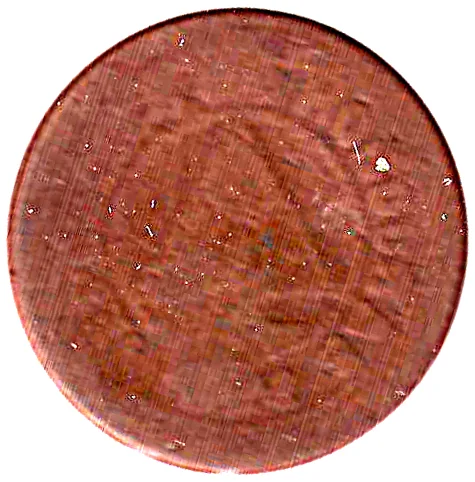
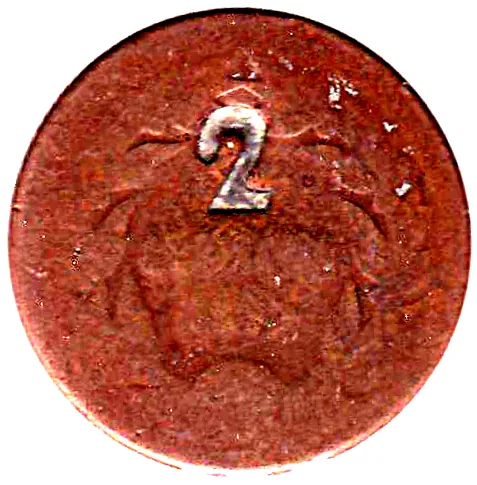
2 centavos – Honduras
Add to wishlist
Honduras
Categories
| Symbols> Coat of Arms |
Mintings
| Year | Mint Mark | Mintage | Quality | Collection |
|---|---|---|---|---|
| 1898 | — | — |
Historical background
In 1898, Honduras operated under a complex and unstable monetary system, a legacy of its colonial past and 19th-century economic struggles. The official currency was the silver Honduran Peso, theoretically pegged to the silver standard. However, decades of fiscal shortfalls, political instability, and heavy foreign debt (notably to British bondholders) had led successive governments to issue vast amounts of low-value copper and nickel coins, known as "calderilla." This created a severe imbalance, as the intrinsically valuable silver coins were hoarded or exported, while the depreciated fractional coins flooded the market, causing inflation and public distrust.
The situation was exacerbated by the widespread circulation of foreign currencies, particularly the US Dollar and British Sovereign, which were preferred for major transactions and international trade due to their stability. This de facto dollarization in key sectors further undermined the national currency's authority. The government's attempt to introduce paper money in the 1880s had ended in disaster with the collapse of the Banco de Honduras, leaving a deep suspicion of fiduciary notes. Consequently, Honduras in 1898 lacked a unified, trusted medium of exchange, operating with a dual system of scarce silver for large deals and a glut of nearly worthless fractional coins for everyday use.
This monetary chaos severely hampered domestic commerce and foreign investment. The chronic disorder was a key reason Honduras, along with other Central American nations, would seriously consider and later adopt the gold standard in the early 20th century, seeking stability through external discipline. The year 1898 thus represents a low point in Honduran monetary history, immediately preceding a period of reform driven by the need to attract foreign capital, particularly from the burgeoning United States banana companies that were beginning to dominate the country's economy.
The situation was exacerbated by the widespread circulation of foreign currencies, particularly the US Dollar and British Sovereign, which were preferred for major transactions and international trade due to their stability. This de facto dollarization in key sectors further undermined the national currency's authority. The government's attempt to introduce paper money in the 1880s had ended in disaster with the collapse of the Banco de Honduras, leaving a deep suspicion of fiduciary notes. Consequently, Honduras in 1898 lacked a unified, trusted medium of exchange, operating with a dual system of scarce silver for large deals and a glut of nearly worthless fractional coins for everyday use.
This monetary chaos severely hampered domestic commerce and foreign investment. The chronic disorder was a key reason Honduras, along with other Central American nations, would seriously consider and later adopt the gold standard in the early 20th century, seeking stability through external discipline. The year 1898 thus represents a low point in Honduran monetary history, immediately preceding a period of reform driven by the need to attract foreign capital, particularly from the burgeoning United States banana companies that were beginning to dominate the country's economy.
✨ Legendary