

10 Kronen – Liechtenstein
Liechtenstein
Context
Year: 1900
Issuer: Liechtenstein 
Ruler: John II
Currency:
(1898—1921)
Demonetization: 28 August 1920
Total mintage: 1,500
Material
References
Y: #Click to copy to clipboard5
Numista: #23757
Value
Bullion value: $508.69
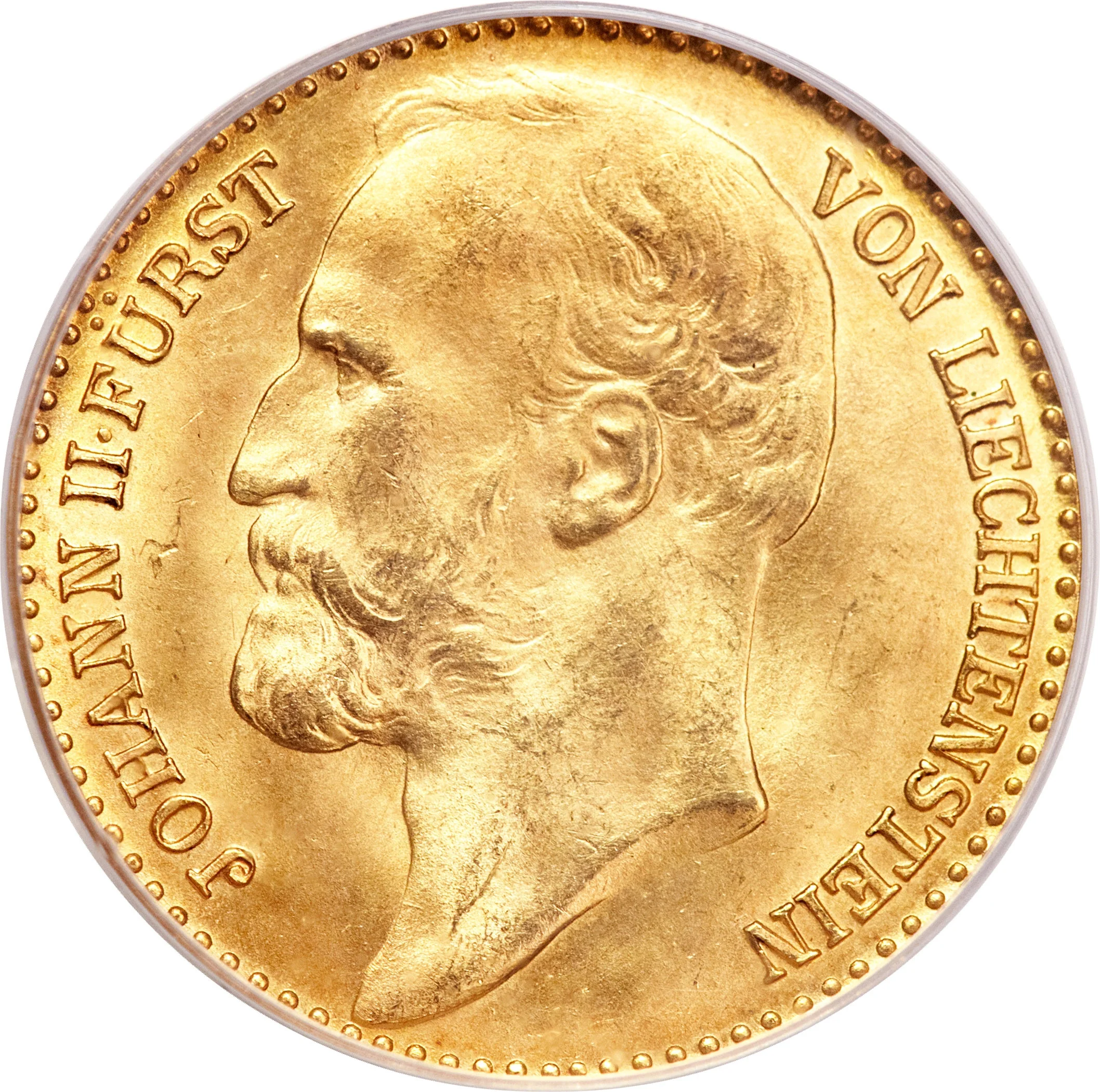
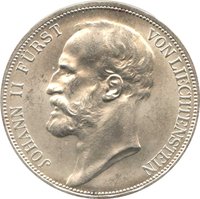
Obverse
Description:
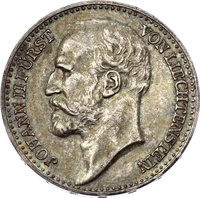
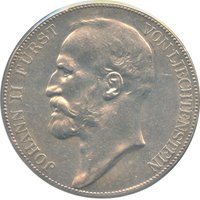
Johann II left-facing portrait with surrounding lettering.
Inscription:
JOHANN II·FÜRST VON LIECHTENSTEIN
Translation:
John II, Prince of Liechtenstein
Script: Latin
Language: German
Engraver: Gustave Deloye
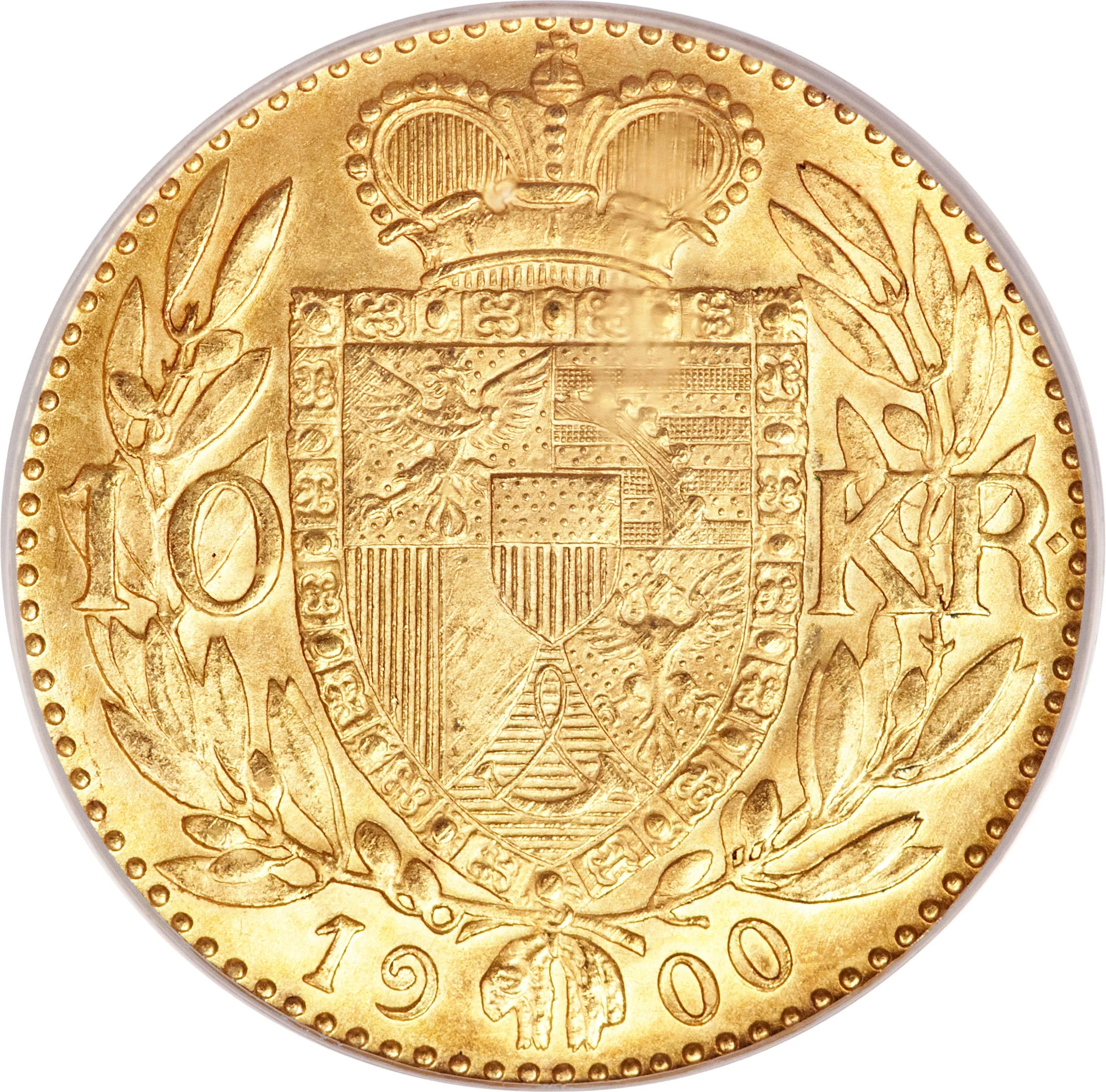
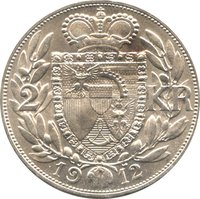
Reverse
Description:
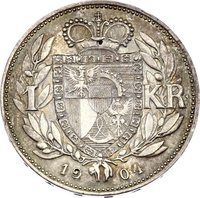
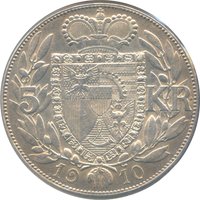
Liechtenstein coat of arms centered, flanked by branches with value and "KR·" above. Date below.
Inscription:
10 KR·
19 00
19 00
Translation:
Ten Kroner
1900
1900
Script: Latin
Engraver: Gustave Deloye
Edge
Categories
| Symbols> Coat of Arms |
| Person> Monarch |
Mintings
| Year | Mint Mark | Mintage | Quality | Collection |
|---|---|---|---|---|
| 1900 | — | 1,500 |
Historical background
At the dawn of the 20th century, Liechtenstein did not possess an independent national currency. Its monetary system was entirely integrated with that of its dominant neighbour, Austria-Hungary. Following the customs treaty of 1852, the Principality was firmly within the Austrian economic sphere, and the official legal tender was the Austro-Hungarian gulden (later the krone from 1892). Consequently, Liechtenstein's banks, commerce, and daily transactions were conducted using Austrian currency, with no distinct coinage or notes issued in the Prince's name.
This arrangement was practical but highlighted Liechtenstein's limited economic sovereignty at the time. The country was a largely agrarian society with a small population, and a separate currency system would have been economically unnecessary and administratively burdensome. The stability of its currency was therefore directly tied to the fortunes of the Austro-Hungarian Empire, which itself faced growing economic pressures and political instability in the years leading up to World War I.
However, the seeds for a future change were already present. The Swiss franc, due to Switzerland's proximity and economic stability, also circulated informally within the principality, particularly in border regions. This dual circulation foreshadowed the monumental shift that would occur following the collapse of the Austro-Hungarian Empire after 1918. The currency situation in 1900 was thus one of quiet dependency, on the cusp of being overturned by the geopolitical upheavals of the new century.
This arrangement was practical but highlighted Liechtenstein's limited economic sovereignty at the time. The country was a largely agrarian society with a small population, and a separate currency system would have been economically unnecessary and administratively burdensome. The stability of its currency was therefore directly tied to the fortunes of the Austro-Hungarian Empire, which itself faced growing economic pressures and political instability in the years leading up to World War I.
However, the seeds for a future change were already present. The Swiss franc, due to Switzerland's proximity and economic stability, also circulated informally within the principality, particularly in border regions. This dual circulation foreshadowed the monumental shift that would occur following the collapse of the Austro-Hungarian Empire after 1918. The currency situation in 1900 was thus one of quiet dependency, on the cusp of being overturned by the geopolitical upheavals of the new century.
💎 Extremely Rare