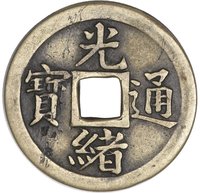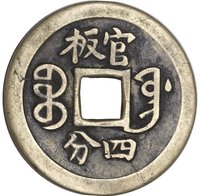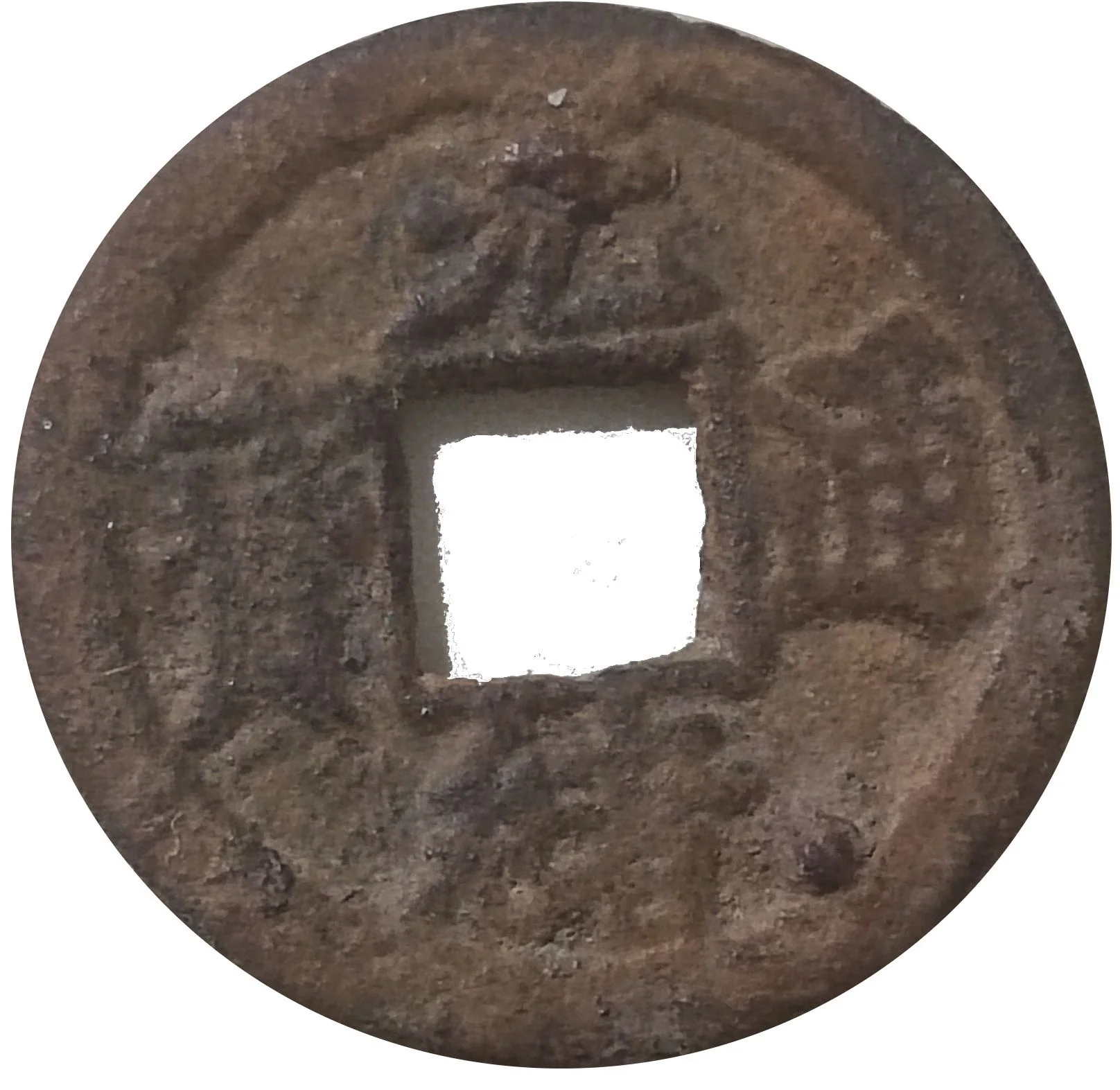
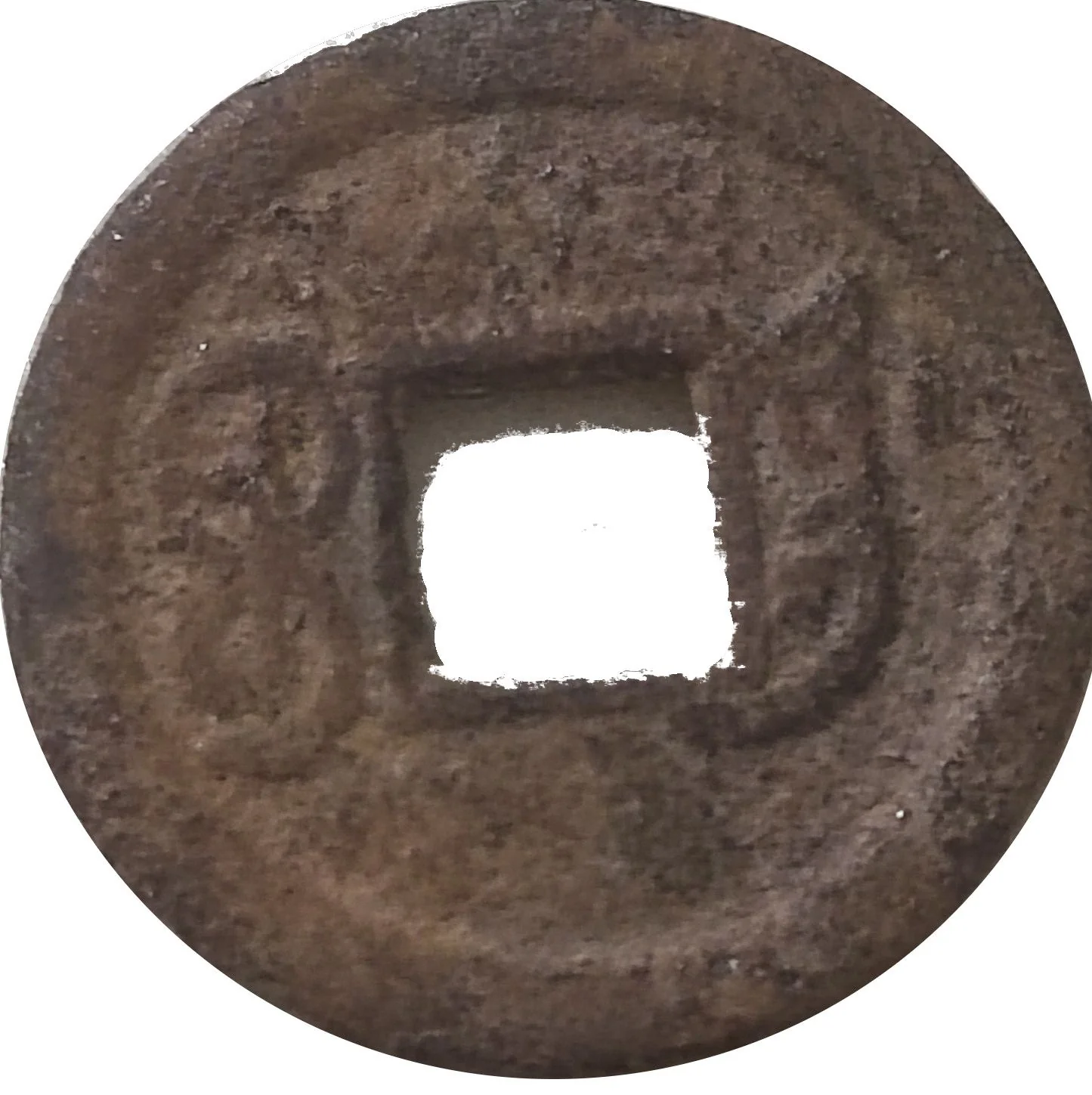
In 1899, the currency situation of the Qing Empire, often referred to internationally as the "Empire of China," was one of profound complexity and instability, reflecting the dynasty's broader political and economic decline. The monetary system was not unified but a chaotic patchwork of silver, copper, and emerging paper instruments. The primary medium for large transactions and tax payments was the silver
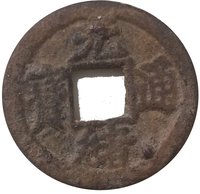
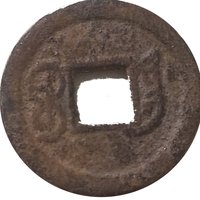
tael, a unit of weight rather than a minted coin, which existed in dozens of regional variants. Alongside this, masses of copper-alloy
cash coins with square holes, strung on cords, served the daily needs of the common people. The critical and disastrous link to the global economy was China's effective silver standard, while the West and Japan had adopted the gold standard.
This structure created severe vulnerabilities. The late 19th century saw a sustained fall in the global price of silver, causing the
tael to depreciate sharply against gold-based currencies like the British pound and Japanese yen. This massively increased the real burden of China's foreign indemnities, such as the one imposed after the Sino-Japanese War (1895), which were fixed in gold. Internally, the fluctuating exchange rate between silver and copper caused widespread hardship, as peasants sold crops for copper but often had to pay taxes calculated in the increasingly expensive silver. The situation was further muddied by the circulation of foreign silver trade dollars (like the Mexican "Eagle" dollar), provincial minted coins, and private bank notes of dubious value.
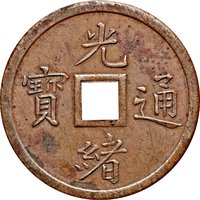
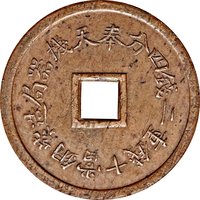
Recognizing the crisis, some reform-minded officials like Zhang Zhidong advocated for monetary modernization, including minting a national silver coin (the
yuan) to standardize the system. However, central authority was too weak to impose uniformity. The imperial court in Beijing struggled to control the various provincial mints, which often issued debased coinage for local profit. Thus, in 1899, on the eve of the Boxer Rebellion, the Qing currency system was a source of internal distress, a symbol of imperial fragmentation, and a significant factor in the empire's financial subjugation to foreign powers. This monetary disarray would be a key impetus for the radical financial reforms attempted in the dynasty's final decade.