

1 cruzeiro – Brazil
Add to wishlist
Brazil
Context
Years: 1967–1970
Issuer: Brazil
Issuing organization: Central Bank of Brazil
Period:
(since 1967)
Currency:
(1967—1986)
Demonetization: 27 February 1986
Total mintage: 53,289,000
Material
References
KM: #
Numista: #2248
Value
Exchange value: 1 BRB
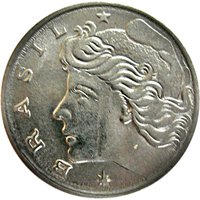
Obverse
Description:
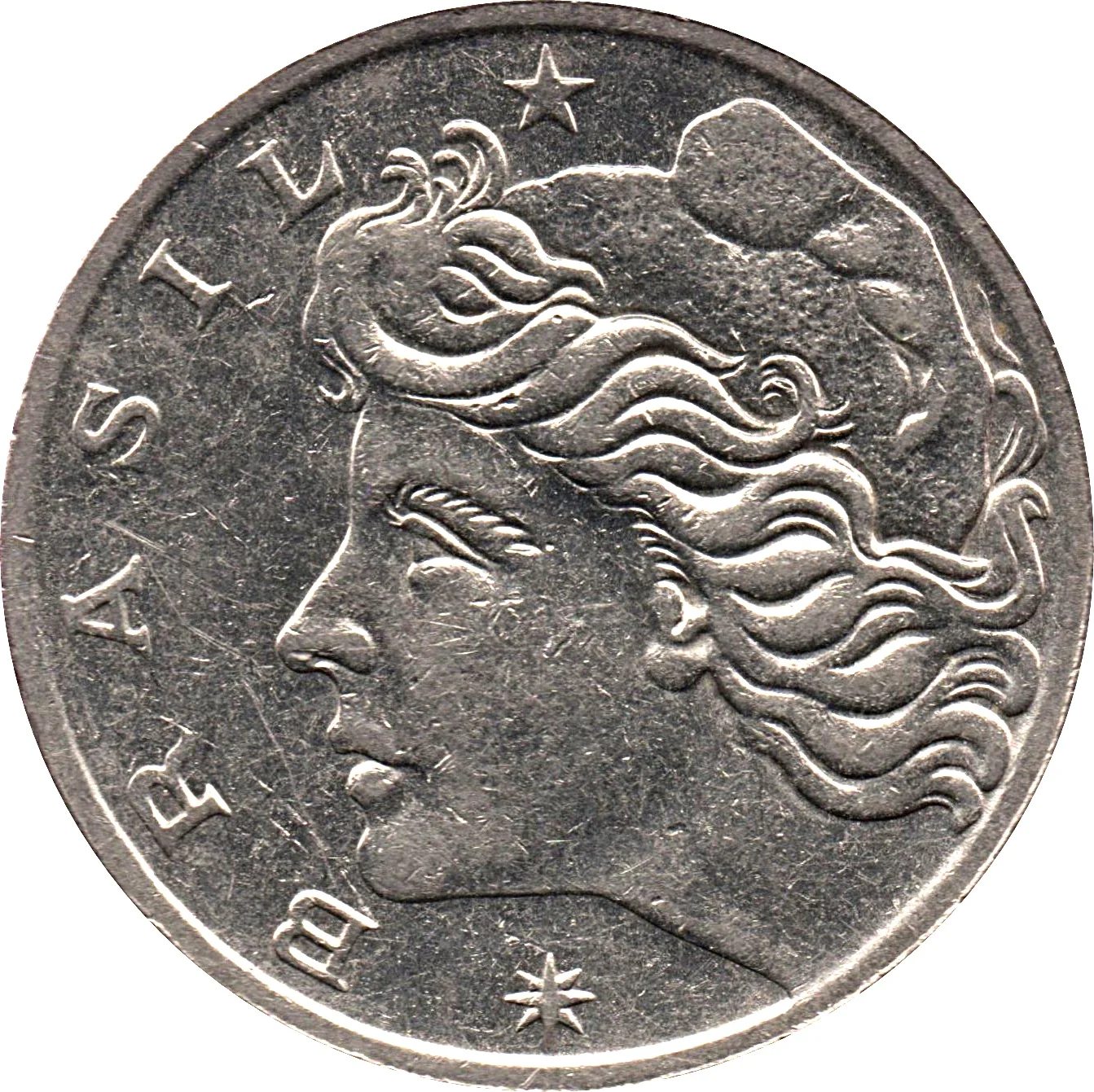
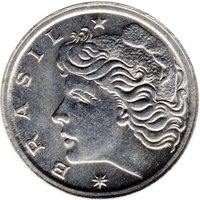
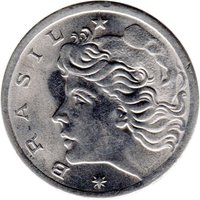
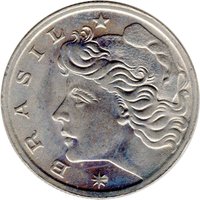
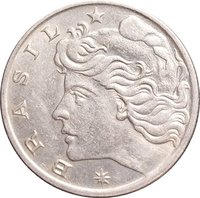
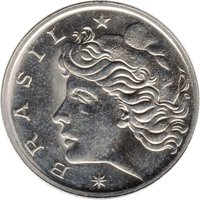
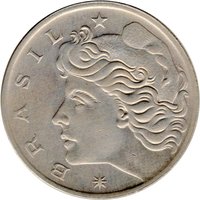
Liberty facing left. "Brasil" between star and compass.
Inscription:
BRASIL
Translation:
BRASIL
Script: Latin
Language: Portuguese
Designer and engraver: Benedicto de Araújo Ribeiro
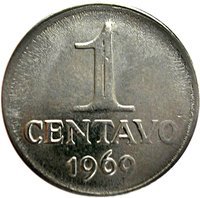
Reverse
Description:
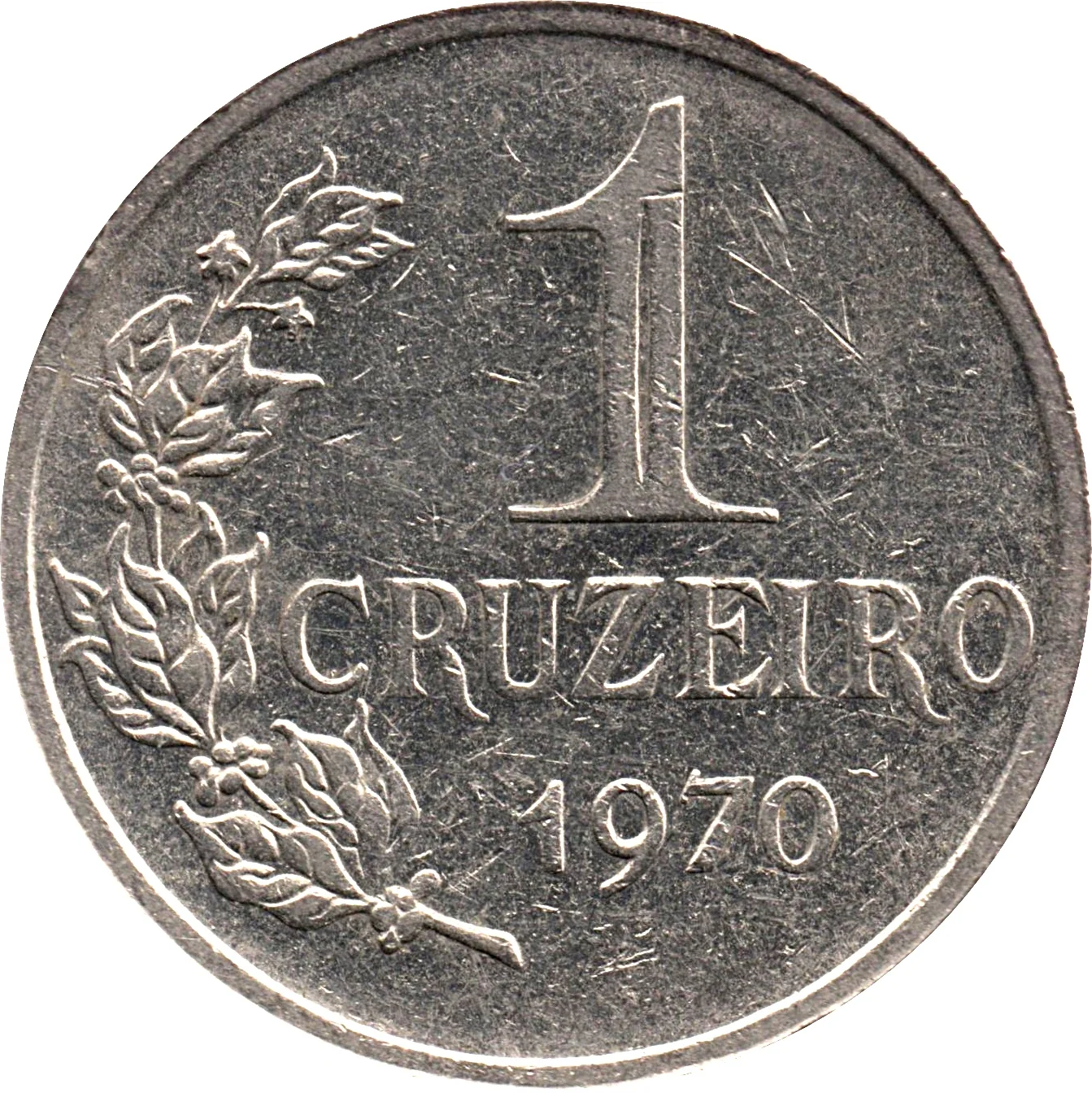
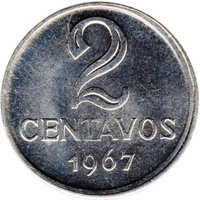
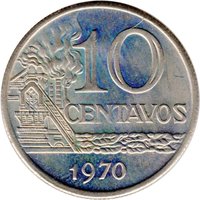
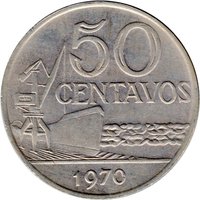
Coffee branch with fruit and flowers left. Denomination and year.
Inscription:
1
CRUZEIRO
1970
CRUZEIRO
1970
Script: Latin
Designer and engraver: Benedicto de Araújo Ribeiro
Edge
Milled
Mints
| Name | Mark |
|---|---|
| Casa da Moeda do Brasil | — |
Mintings
| Year | Mint Mark | Mintage | Quality | Collection |
|---|---|---|---|---|
| 1967 | — | — | ||
| 1970 | — | 53,271,000 | ||
| 1970 | — | 18,000 | Proof |
Historical background
In 1967, Brazil was under the rule of a military dictatorship that had seized power in 1964, prioritizing economic stabilization and growth as a means of legitimizing its control. The period was marked by persistent and high inflation, a chronic issue in Brazil, which eroded purchasing power and created economic instability. The existing currency, the cruzeiro (Cr$), was struggling under this inflationary pressure, losing value and public confidence. The government, led by General Artur da Costa e Silva and guided by a group of technocratic ministers, recognized that addressing the currency was essential for its broader developmentalist agenda, setting the stage for a significant monetary reform.
This context led directly to the introduction of the cruzeiro novo (NCr$) on February 13, 1967, through the Monetary Reform Law (Decree-Law No. 537). The reform was a purely technical redenomination, where 1,000 "old" cruzeiros (Cr$) were replaced by 1 "new" cruzeiro (NCr$). The primary goal was not to combat inflation's root causes but to simplify accounting, restore psychological confidence in the currency, and facilitate transactions by removing three zeros from prices and financial records. It was an administrative measure aimed at creating a perception of stability and modernity for both domestic and international audiences.
The reform of 1967 was a temporary palliative within a longer struggle. While it succeeded in simplifying the monetary system, it did not address the fundamental fiscal and monetary drivers of inflation. The underlying economic policies of the regime, including expansive credit and indexed adjustments, continued to fuel price increases. Consequently, the cruzeiro novo itself would eventually succumb to the same inflationary forces, leading to further currency reforms in the decades that followed. Thus, the 1967 currency change stands as a hallmark of the military government's technocratic approach, emphasizing managerial solutions to deep-seated economic problems without fully resolving them.
This context led directly to the introduction of the cruzeiro novo (NCr$) on February 13, 1967, through the Monetary Reform Law (Decree-Law No. 537). The reform was a purely technical redenomination, where 1,000 "old" cruzeiros (Cr$) were replaced by 1 "new" cruzeiro (NCr$). The primary goal was not to combat inflation's root causes but to simplify accounting, restore psychological confidence in the currency, and facilitate transactions by removing three zeros from prices and financial records. It was an administrative measure aimed at creating a perception of stability and modernity for both domestic and international audiences.
The reform of 1967 was a temporary palliative within a longer struggle. While it succeeded in simplifying the monetary system, it did not address the fundamental fiscal and monetary drivers of inflation. The underlying economic policies of the regime, including expansive credit and indexed adjustments, continued to fuel price increases. Consequently, the cruzeiro novo itself would eventually succumb to the same inflationary forces, leading to further currency reforms in the decades that followed. Thus, the 1967 currency change stands as a hallmark of the military government's technocratic approach, emphasizing managerial solutions to deep-seated economic problems without fully resolving them.
Series: 1967 Brazil circulation coins
🌱 Very Common