

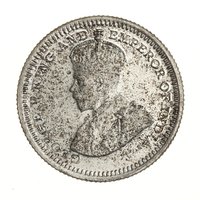
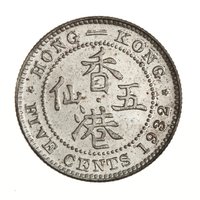
Obverse
Description:
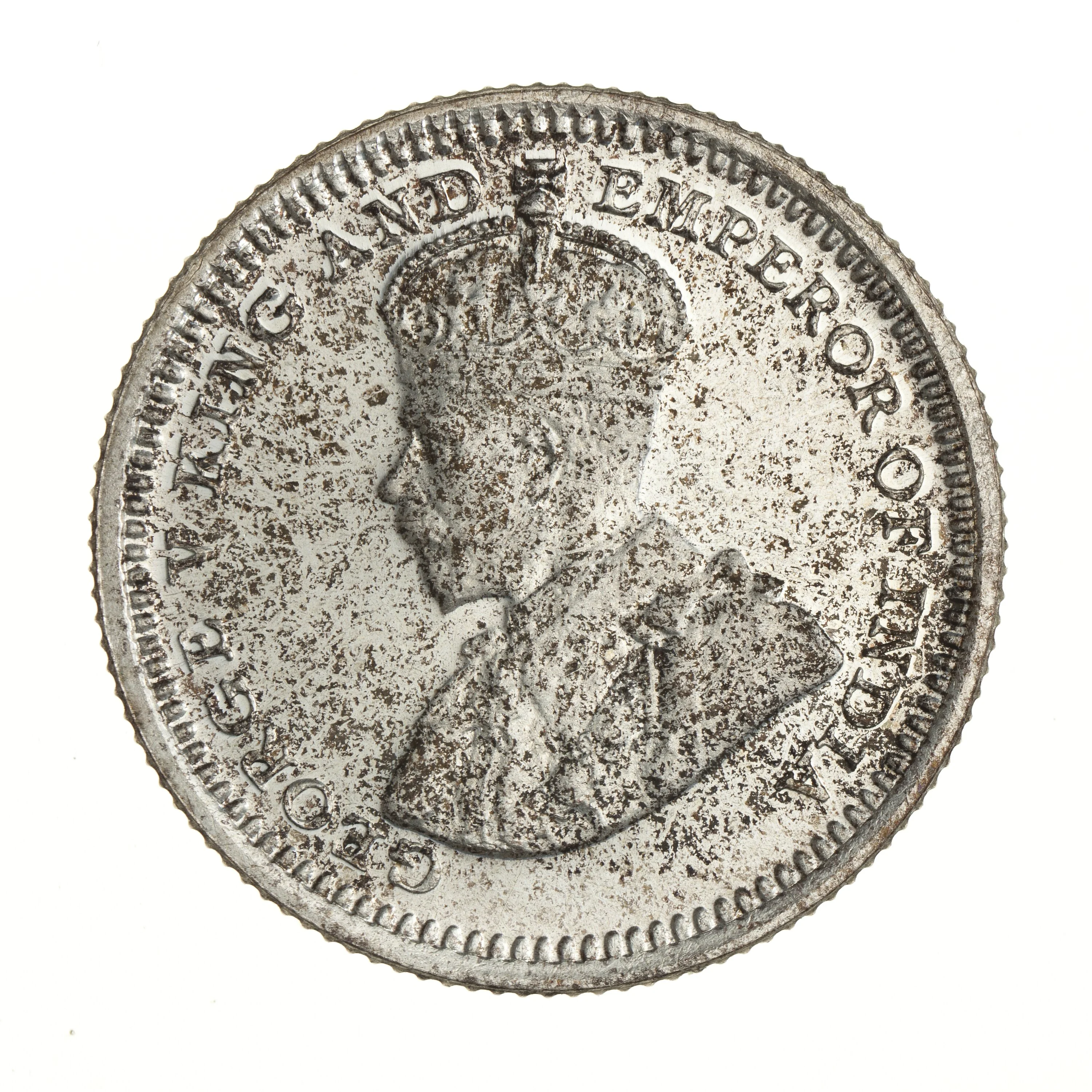
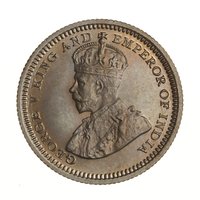
Crowned left-facing bust.
Inscription:
GEORGE V KING AND EMPEROR OF INDIA
Translation:
GEORGE V KING AND EMPEROR OF INDIA
Script: Latin
Language: English
Engraver: Edgar Bertram MacKennal
Reverse
Edge
Reeded
Mints
| Name | Mark |
|---|---|
| Royal Mint (Tower Hill) | — |
Mintings
| Year | Mint Mark | Mintage | Quality | Collection |
|---|---|---|---|---|
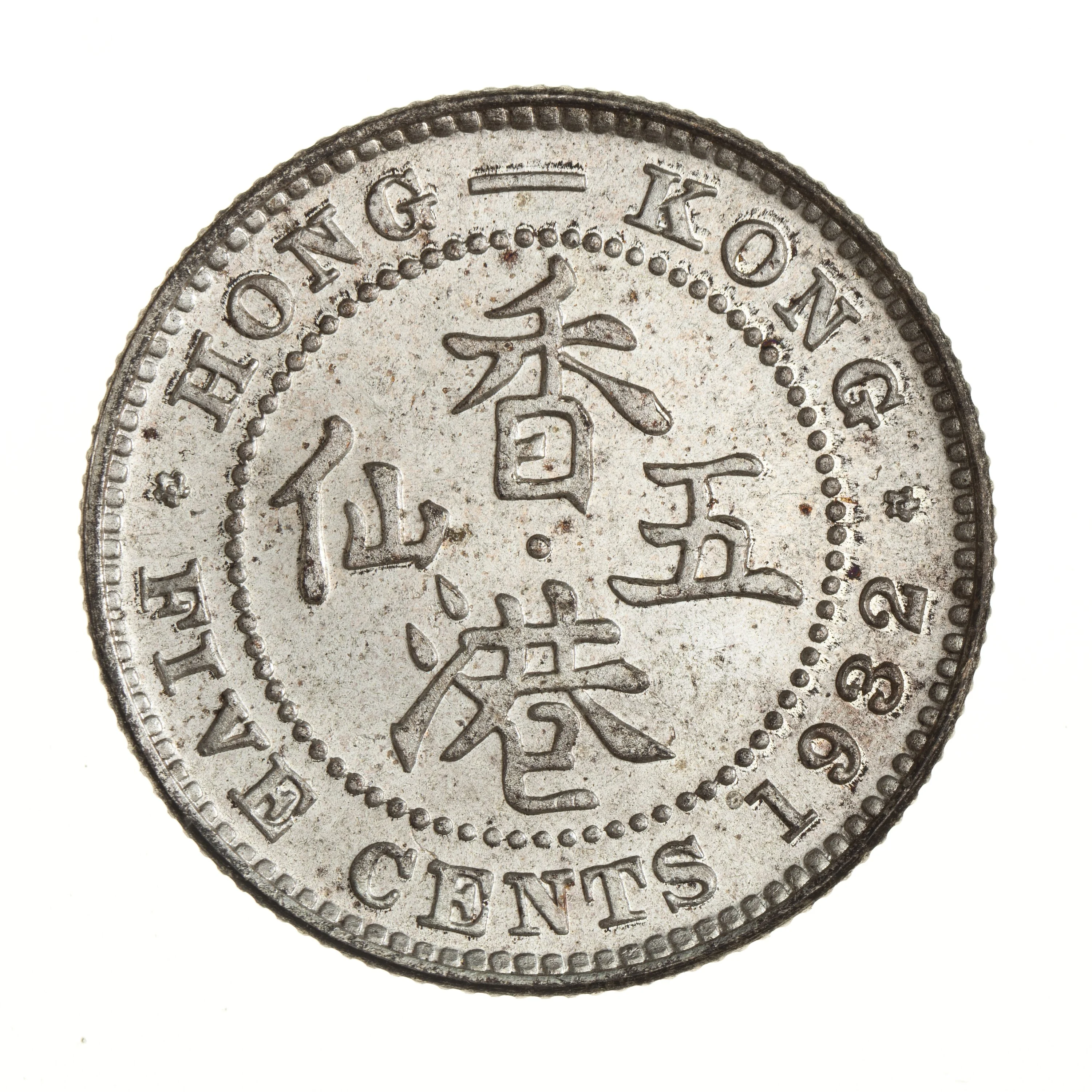
| 1932 | — | 3,000,000 | ||
| 1932 | — | — | Proof | |
| 1933 | — | 2,000,000 | ||
| 1933 | — | — | Proof |
Historical background
In 1932, Hong Kong's currency situation was defined by its adherence to the silver standard, a system increasingly out of step with a world descending into economic turmoil. The colony's currency, the Hong Kong dollar, was directly backed by silver reserves, and its value fluctuated with the global price of the metal. This period followed the United Kingdom's abandonment of the gold standard in 1931, which caused the Sterling to depreciate. However, as Hong Kong remained on silver, its dollar appreciated sharply against Sterling and other currencies, severely damaging the export-oriented economy, particularly re-exports to China.
The crisis was exacerbated by the Great Depression and a concurrent fall in the international price of silver, driven by policies like the U.S. Silver Purchase Act. While a lower silver price typically would have devalued the Hong Kong dollar, the simultaneous economic collapse in China—Hong Kong's primary trading partner—created a paradoxical situation. Demand for the Hong Kong dollar remained high as a stable haven, but the colony's real economy suffered from reduced trade and deflationary pressures. Local businesses and banks faced severe strain, with many Chinese banks failing.
This untenable position forced a fundamental change. In 1935, following China's own currency reform to abandon silver, Hong Kong enacted the Currency Ordinance. This severed the link to silver and pegged the Hong Kong dollar to Sterling at a rate of 1 shilling 3 pence (HK$16 = £1), establishing a currency board system. Thus, the pressures of 1932 directly set the stage for the end of the silver standard and the creation of a new, Sterling-linked monetary regime that would govern the currency for decades.
The crisis was exacerbated by the Great Depression and a concurrent fall in the international price of silver, driven by policies like the U.S. Silver Purchase Act. While a lower silver price typically would have devalued the Hong Kong dollar, the simultaneous economic collapse in China—Hong Kong's primary trading partner—created a paradoxical situation. Demand for the Hong Kong dollar remained high as a stable haven, but the colony's real economy suffered from reduced trade and deflationary pressures. Local businesses and banks faced severe strain, with many Chinese banks failing.
This untenable position forced a fundamental change. In 1935, following China's own currency reform to abandon silver, Hong Kong enacted the Currency Ordinance. This severed the link to silver and pegged the Hong Kong dollar to Sterling at a rate of 1 shilling 3 pence (HK$16 = £1), establishing a currency board system. Thus, the pressures of 1932 directly set the stage for the end of the silver standard and the creation of a new, Sterling-linked monetary regime that would govern the currency for decades.
🌟 Uncommon