

1 Rial – Iran
Iran
Context
Material
References
KM: #Click to copy to clipboard674.12
Numista: #216267
Value
Bullion value: $29.41
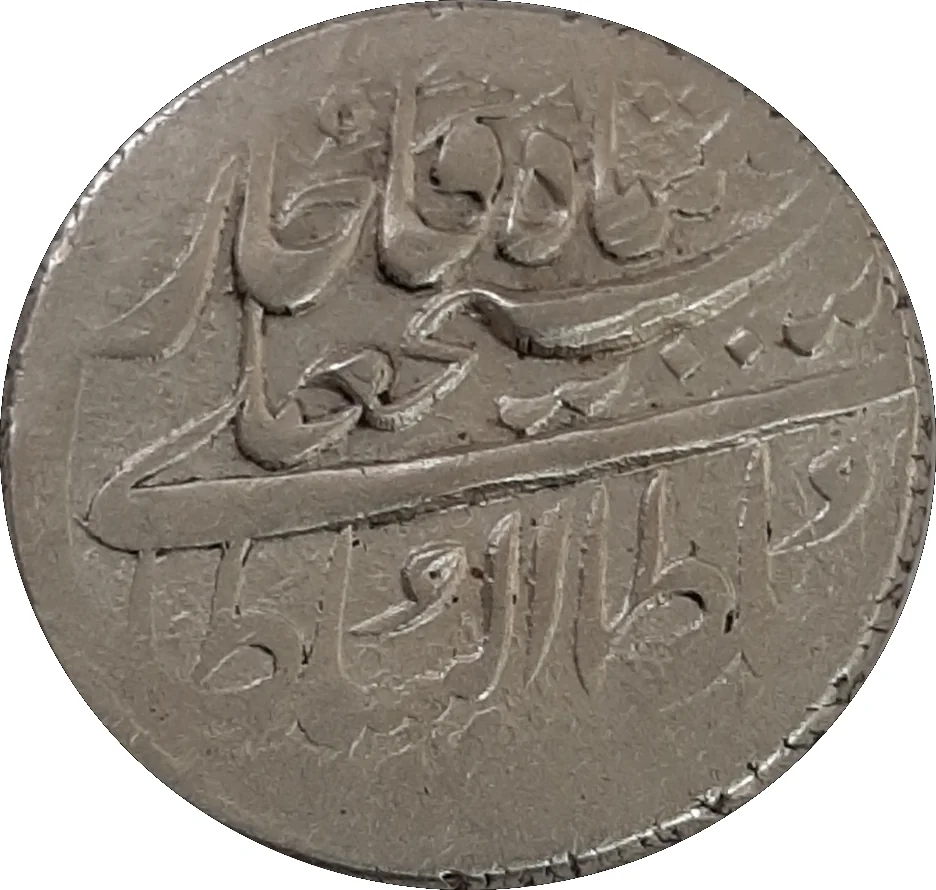
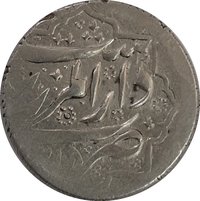
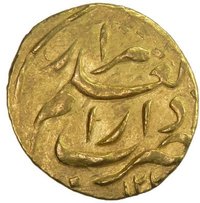
Obverse
Inscription:
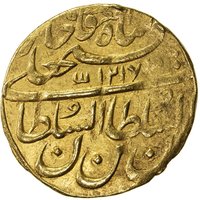
السُلطان بن السُلطان فتحعلی شاه قاجار
Translation:
The Sultan, son of the Sultan, Fath-Ali Shah Qajar
Language: Arabic
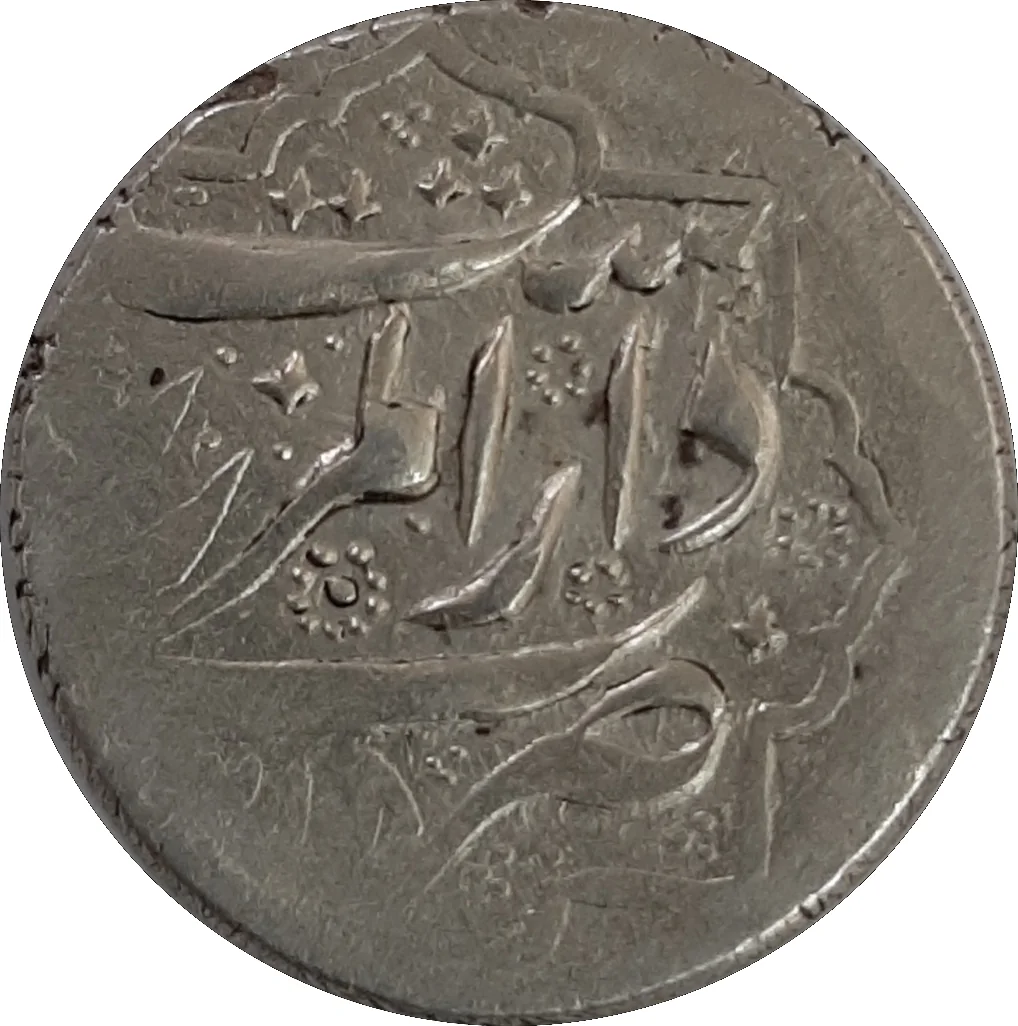
Reverse
Edge
Plain
Mints
| Name | Mark |
|---|---|
| Dar al-Marz Rasht | رشت |
Mintings
| Year | Mint Mark | Mintage | Quality | Collection |
|---|---|---|---|---|
| 1804 | — | — | ||
| 1805 | — | — | ||
| 1806 | — | — | ||
| 1806 | — | — | ||
| 1807 | — | — |
Historical background
In 1804, Iran’s monetary system was a complex and fragmented reflection of its political and economic state. The Qajar dynasty, under Fath-Ali Shah, ruled a decentralized empire where provincial governors and local khans held significant autonomy. This political reality was mirrored in the currency, which lacked nationwide standardization. The primary unit was the silver qiran (later the rial), but its weight and purity could vary by region. Alongside these, a plethora of older and foreign coins circulated, including gold tomans (a unit of account equal to 10 qirans), copper fulus for small transactions, and even remnants of Safavid-era coins and currencies from neighboring Ottoman and Russian territories.
The economy was predominantly agrarian and pastoral, with long-distance trade conducted through bazaars and caravan routes. This trade, however, was hampered by the inconsistent coinage, requiring merchants and money-changers (sarraf) to constantly assay and weigh coins. The state’s minting operations were not fully centralized; major cities like Tabriz, Isfahan, and Mashhad often struck their own coins. Furthermore, the government’s fiscal pressures, driven by military campaigns (notably the ongoing first Russo-Persian War, 1804-1813) and court expenditures, led to periodic debasement of the coinage—reducing the silver content to create more revenue, which eroded public trust and caused inflation.
Thus, the currency situation in 1804 was one of considerable disorder, characterized by a multiplicity of coins, uncertain values, and weak central control. This instability was both a symptom and a cause of broader economic challenges, hindering efficient taxation and commerce. It stood in stark contrast to the more unified monetary systems emerging in contemporary Europe, highlighting the technological and administrative gaps that would contribute to Iran’s growing financial difficulties as the 19th century progressed.
The economy was predominantly agrarian and pastoral, with long-distance trade conducted through bazaars and caravan routes. This trade, however, was hampered by the inconsistent coinage, requiring merchants and money-changers (sarraf) to constantly assay and weigh coins. The state’s minting operations were not fully centralized; major cities like Tabriz, Isfahan, and Mashhad often struck their own coins. Furthermore, the government’s fiscal pressures, driven by military campaigns (notably the ongoing first Russo-Persian War, 1804-1813) and court expenditures, led to periodic debasement of the coinage—reducing the silver content to create more revenue, which eroded public trust and caused inflation.
Thus, the currency situation in 1804 was one of considerable disorder, characterized by a multiplicity of coins, uncertain values, and weak central control. This instability was both a symptom and a cause of broader economic challenges, hindering efficient taxation and commerce. It stood in stark contrast to the more unified monetary systems emerging in contemporary Europe, highlighting the technological and administrative gaps that would contribute to Iran’s growing financial difficulties as the 19th century progressed.
✨ Legendary