

25 Pyas – Myanmar
Circulating commemorative coins
Commemoration: F.A.O.
Myanmar

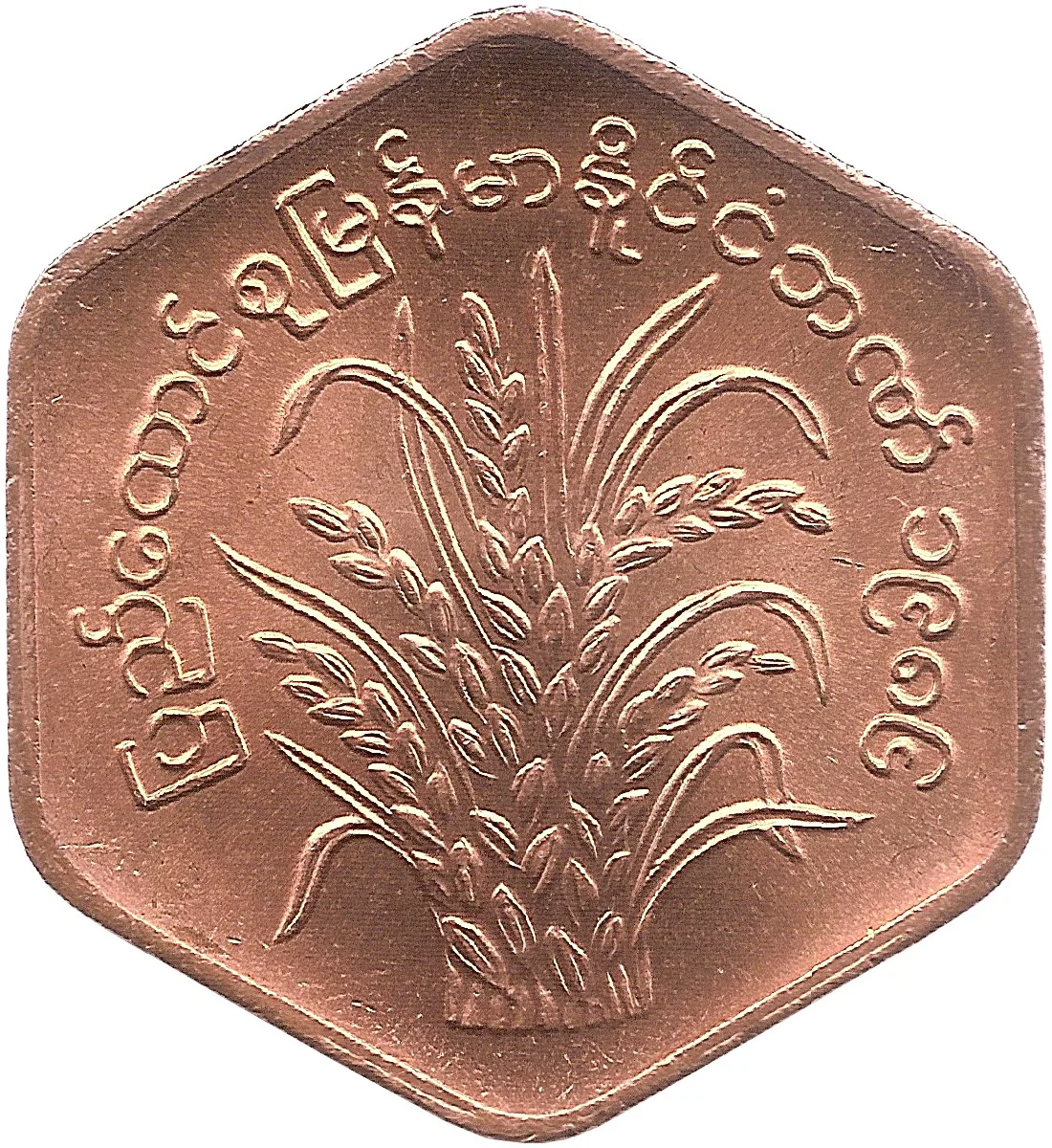
Obverse
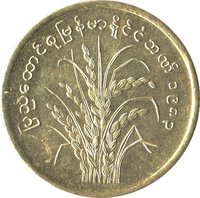
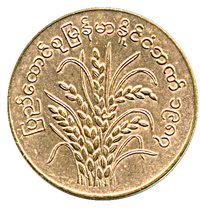
Description:
Rice plant, dated.
Inscription:
ပြည်ထောင်စု မြန်မာ နိုင်ငံ ဘဏ် ၁၉၈၆
Translation:
Union of Myanmar Bank 1986
Language: Burmese
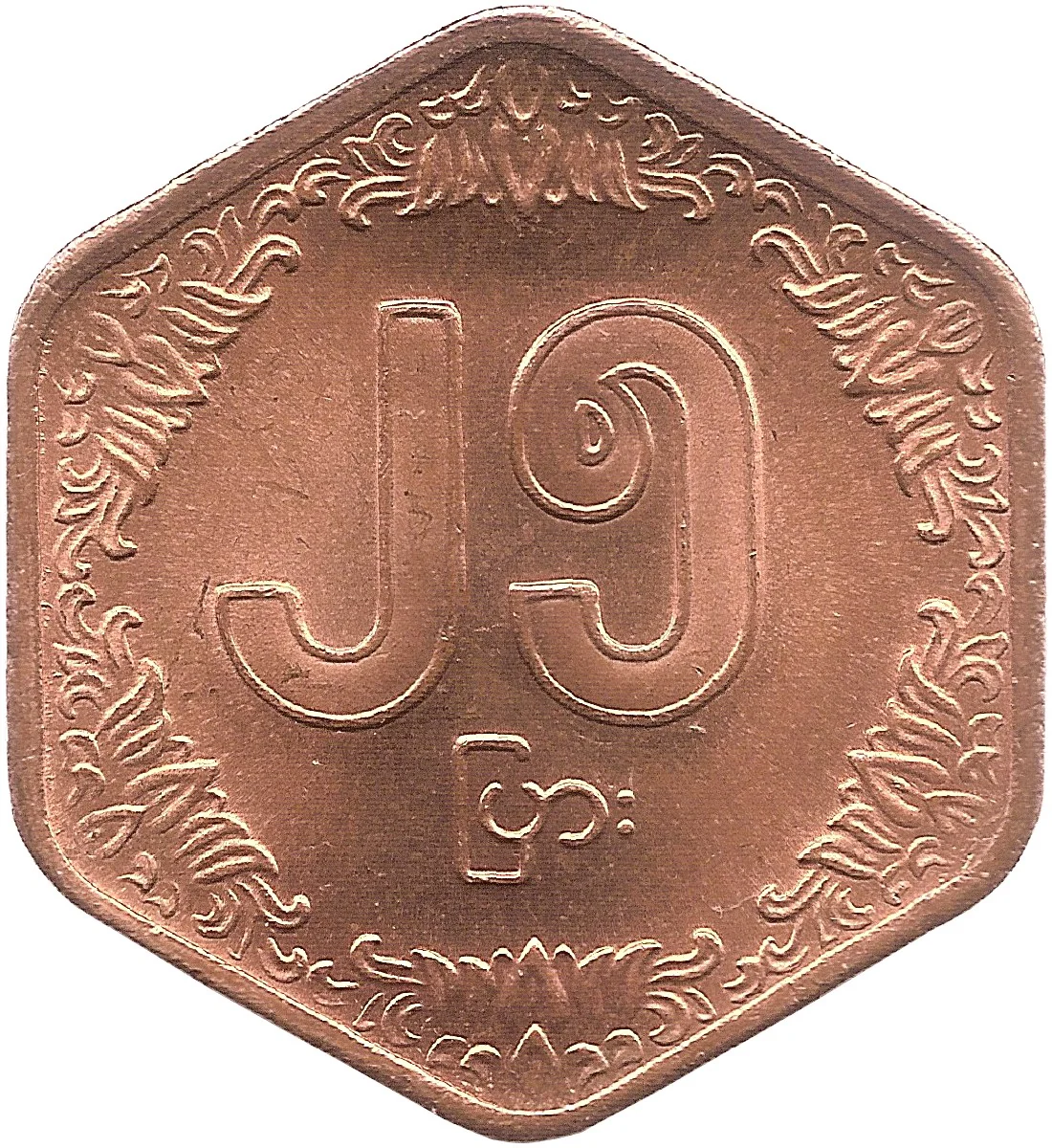
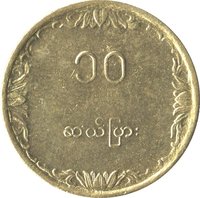
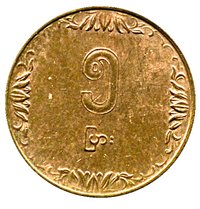
Reverse
Edge
Categories
| Organization> FAO |
Mintings
| Year | Mint Mark | Mintage | Quality | Collection |
|---|---|---|---|---|
| 1986 | — | — |
Historical background
In 1986, Myanmar’s currency situation was a critical symptom of the country's deep economic crisis under the isolationist and socialist rule of the Burma Socialist Programme Party (BSPP). The national currency, the kyat, was subject to a complex and unsustainable system of multiple official exchange rates, which created a vast disparity with the thriving black market. While the official rate was artificially pegged at around 6-7 kyat to the US dollar, the real market rate had plummeted to approximately 30-35 kyat per dollar, eroding public confidence and crippling legitimate foreign trade.
This monetary dysfunction was driven by decades of economic mismanagement, including the disastrous "Burmese Way to Socialism" which nationalized industries and severed the country from global markets. By the mid-1980s, Myanmar was burdened with severe foreign debt, dwindling foreign reserves, and a reliance on the black market for essential goods. In a desperate and damaging move in November 1985, the government had demonetized large banknotes (25, 35, and 75 kyat notes) without compensation to target black marketeers, but this primarily devastated ordinary citizens' savings and further undermined trust in the financial system.
The currency instability of 1986 set the stage for even more severe turmoil. The following year, in 1987, the government would repeat the demonetization process with even larger notes, sparking widespread protests that eventually escalated into the pro-democracy uprising of 1988. Thus, the currency situation of 1986 was not merely a financial issue but a central catalyst for the profound political and social upheaval that would soon dismantle the BSPP regime.
This monetary dysfunction was driven by decades of economic mismanagement, including the disastrous "Burmese Way to Socialism" which nationalized industries and severed the country from global markets. By the mid-1980s, Myanmar was burdened with severe foreign debt, dwindling foreign reserves, and a reliance on the black market for essential goods. In a desperate and damaging move in November 1985, the government had demonetized large banknotes (25, 35, and 75 kyat notes) without compensation to target black marketeers, but this primarily devastated ordinary citizens' savings and further undermined trust in the financial system.
The currency instability of 1986 set the stage for even more severe turmoil. The following year, in 1987, the government would repeat the demonetization process with even larger notes, sparking widespread protests that eventually escalated into the pro-democracy uprising of 1988. Thus, the currency situation of 1986 was not merely a financial issue but a central catalyst for the profound political and social upheaval that would soon dismantle the BSPP regime.
🌱 Common