

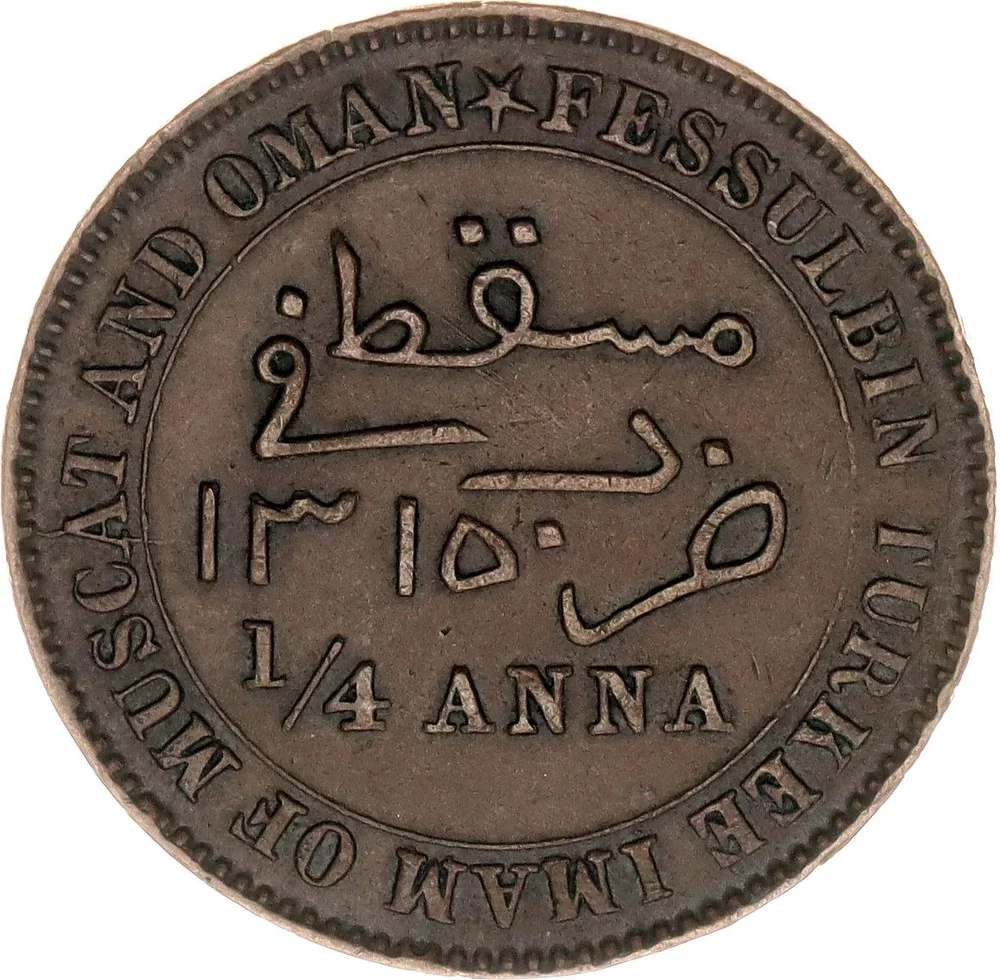
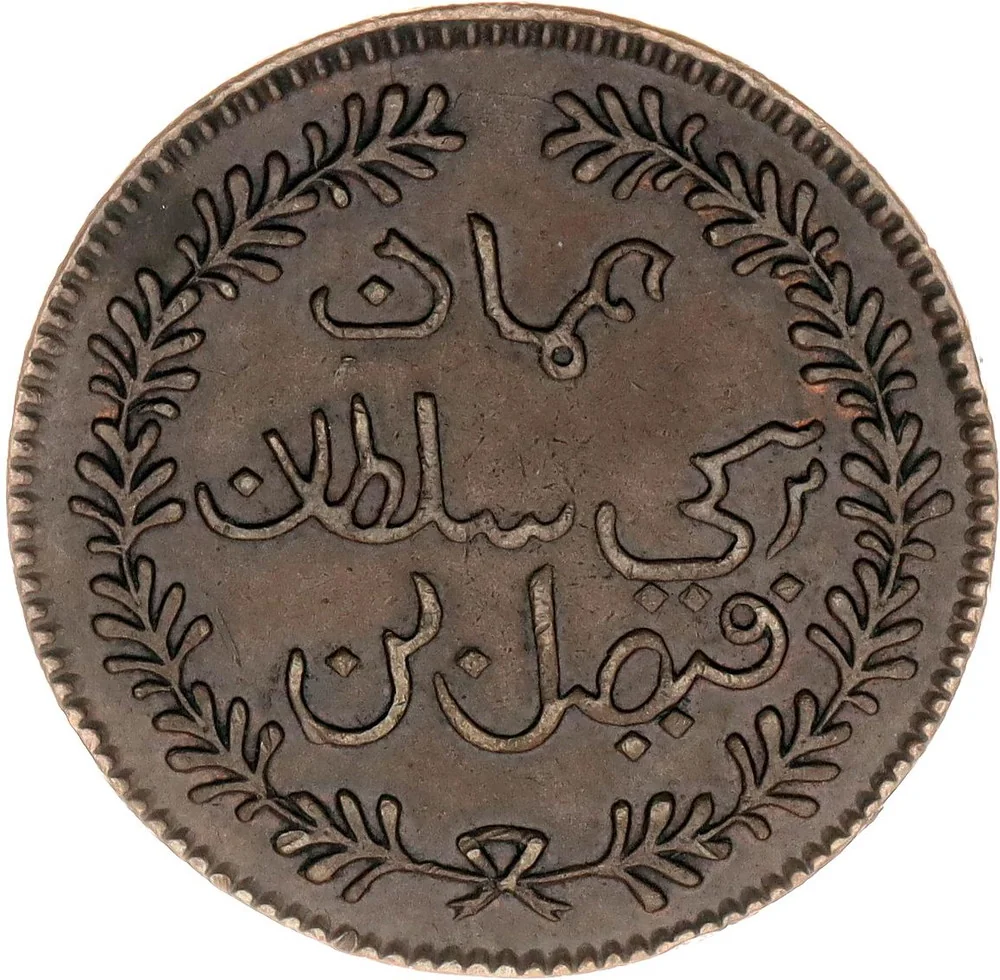
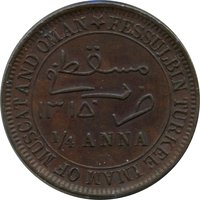
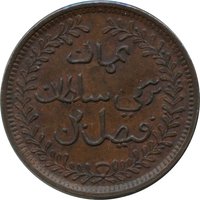
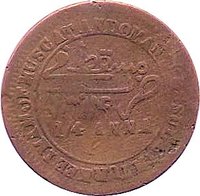
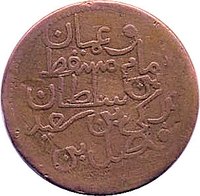
¼ Anna – Muscat and Oman
Oman
Context
Year: 1898
Islamic (Hijri) Year: 1315
Country: Oman 
Issuer: Muscat and Oman
Ruler: Faisal bin Turki
Currency:
(1891—1959)
Demonetized: Yes
Material
References
KM: #Click to copy to clipboard12
Numista: #20734
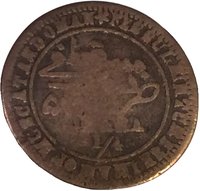
Obverse
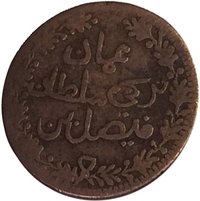
Reverse
Edge
Plain
Mintings
| Year | Mint Mark | Mintage | Quality | Collection |
|---|---|---|---|---|
| 1898 | — | — |
Historical background
In 1898, the currency situation in Muscat and Oman was a complex tapestry of indigenous and foreign coins, reflecting the Sultanate's pivotal position in Indian Ocean trade. The primary unit of account was the Maria Theresa Thaler (MT$) , a large silver coin minted in Austria but ubiquitous throughout the Arabian Peninsula and East Africa. Its high silver content and consistent weight made it the preferred medium for large transactions and international trade, particularly with British India and Zanzibar. Alongside the Thaler, the Indian Rupee was also in widespread circulation, a consequence of Muscat's deep commercial and political ties with British India. The Rupee was especially common in coastal mercantile circles.
However, the daily monetary reality for most inhabitants was a fragmented system of smaller denominations. A plethora of coins circulated at fixed exchange rates to the Thaler and Rupee. These included copper Paisa and silver Annas from India, Turkish Piastres, and various Arab and Persian silver coins like the Qiran. The British gold sovereign was also present for high-value transactions. This multiplicity often led to confusion and required money changers (sarrafs) to be essential figures in the souqs, assessing the weight and purity of coins.
The situation was further complicated by the absence of a central mint or unified monetary authority. While Sultan Faisal bin Turki (r. 1888-1913) exercised political control, he had limited power to standardize the currency. The monetary system was essentially market-driven, dictated by centuries of commerce and the inflow of coins from trading partners. This reliance on foreign specie left the local economy vulnerable to international fluctuations in the price of silver, which would soon be dramatically felt as the global value of silver declined in the early 20th century.
However, the daily monetary reality for most inhabitants was a fragmented system of smaller denominations. A plethora of coins circulated at fixed exchange rates to the Thaler and Rupee. These included copper Paisa and silver Annas from India, Turkish Piastres, and various Arab and Persian silver coins like the Qiran. The British gold sovereign was also present for high-value transactions. This multiplicity often led to confusion and required money changers (sarrafs) to be essential figures in the souqs, assessing the weight and purity of coins.
The situation was further complicated by the absence of a central mint or unified monetary authority. While Sultan Faisal bin Turki (r. 1888-1913) exercised political control, he had limited power to standardize the currency. The monetary system was essentially market-driven, dictated by centuries of commerce and the inflow of coins from trading partners. This reliance on foreign specie left the local economy vulnerable to international fluctuations in the price of silver, which would soon be dramatically felt as the global value of silver declined in the early 20th century.
🌱 Fairly Common