

25 cents – British Honduras
Add to wishlist
Belize
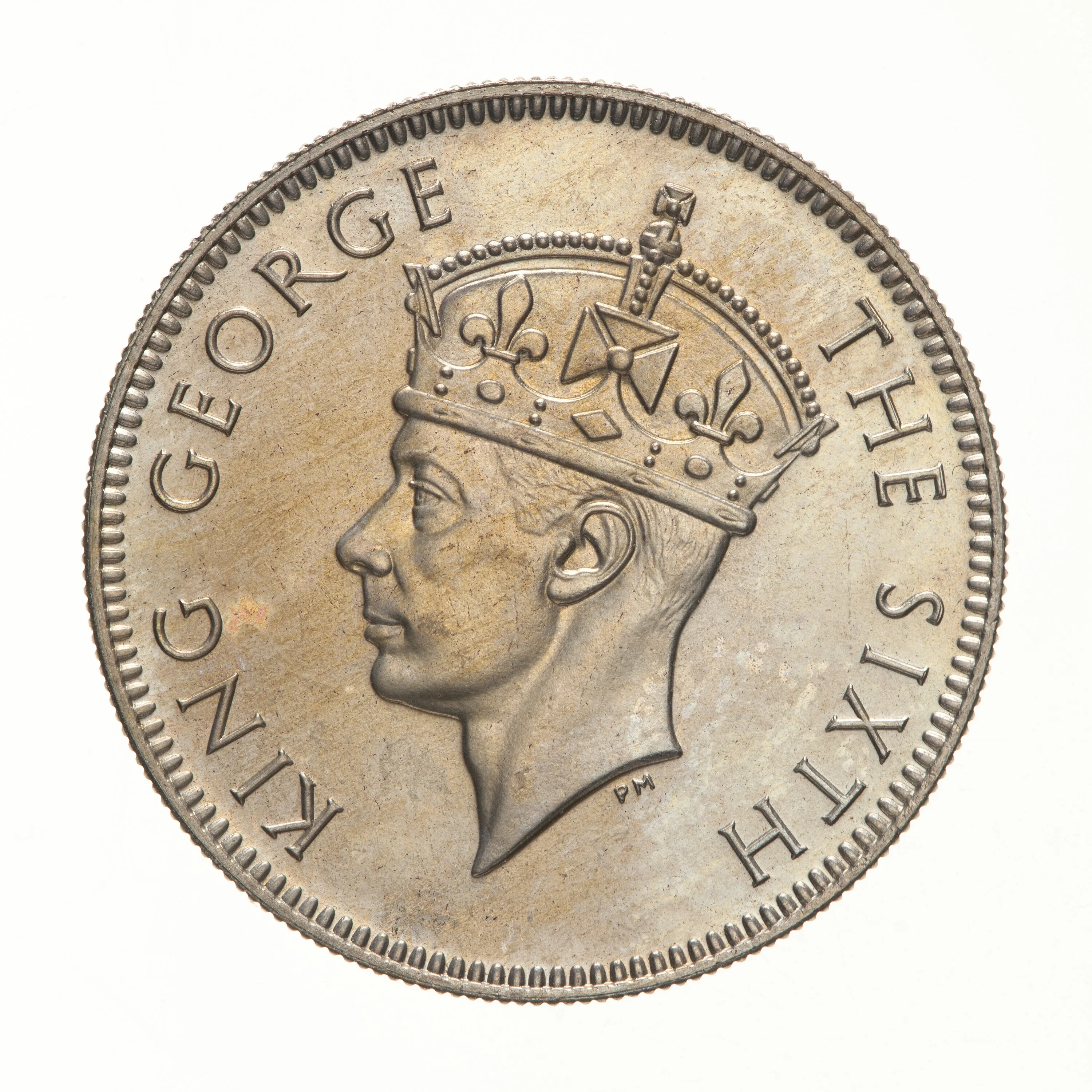
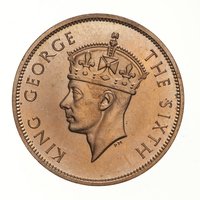
Obverse
Description:
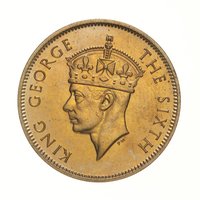
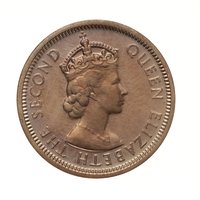
George VI left-facing portrait within a beaded circle.
Inscription:
KING GEORGE THE SIXTH
PM
PM
Translation:
KING GEORGE THE SIXTH
BY THE GRACE OF GOD, KING OF ALL THE BRITISH DOMINIONS, DEFENDER OF THE FAITH, EMPEROR OF INDIA
BY THE GRACE OF GOD, KING OF ALL THE BRITISH DOMINIONS, DEFENDER OF THE FAITH, EMPEROR OF INDIA
Script: Latin
Language: English
Engraver: Percy Metcalfe
Reverse
Description:
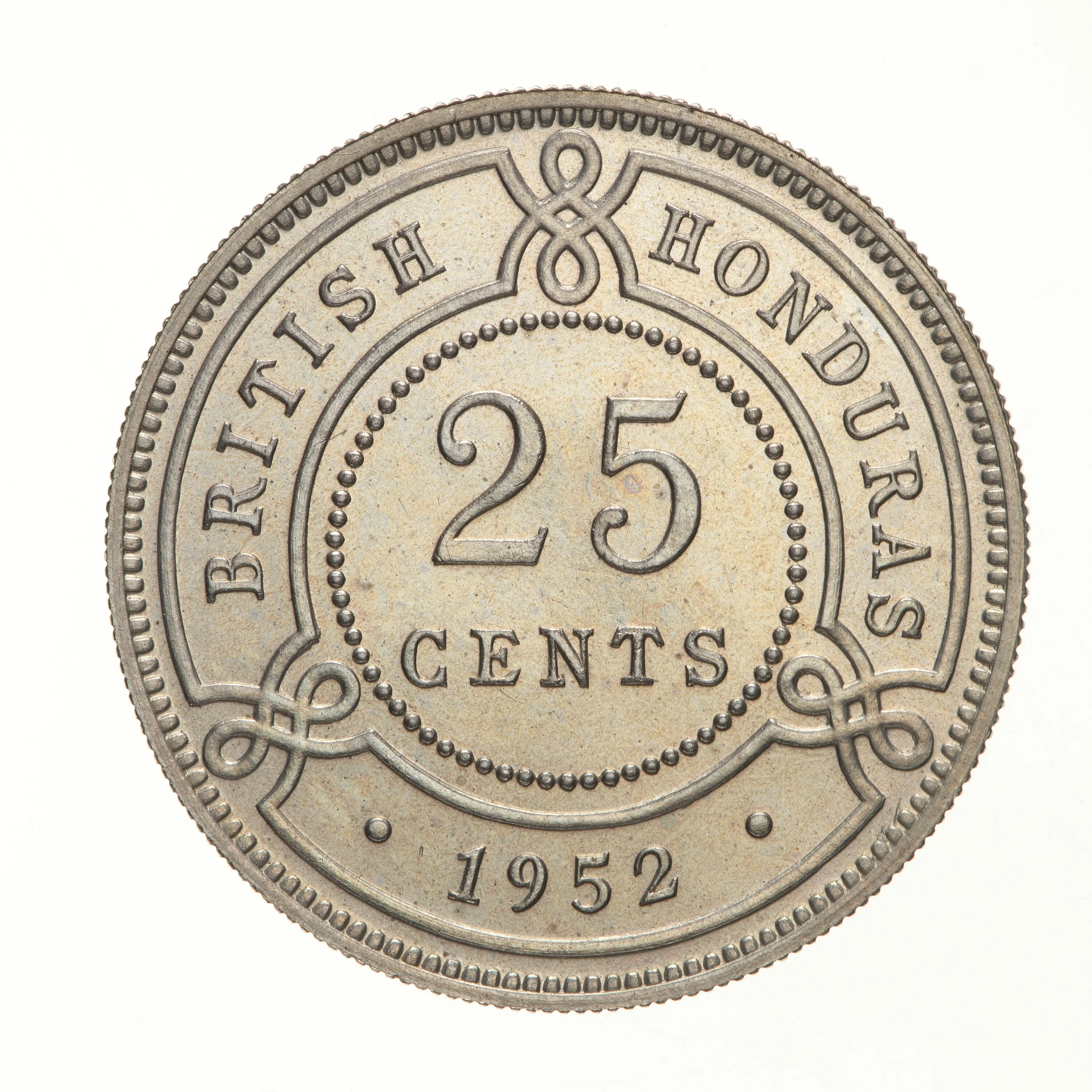
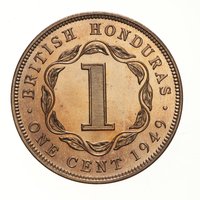
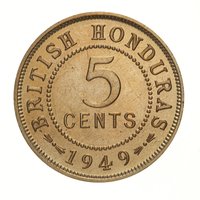
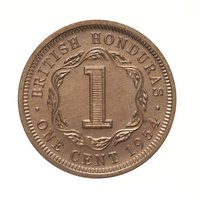
Central beaded circle. Outer beaded circle in three sections of intertwined lines, date in lowest. Beaded rim.
Inscription:
BRITISH HONDURAS
25
CENTS
· 1952 ·
25
CENTS
· 1952 ·
Script: Latin
Edge
Reeded
Mints
| Name | Mark |
|---|---|
| Royal Mint (Tower Hill) | — |
Mintings
| Year | Mint Mark | Mintage | Quality | Collection |
|---|---|---|---|---|
| 1952 | — | 75,000 | ||
| 1952 | — | — | Proof |
Historical background
In 1952, the currency situation in British Honduras (modern-day Belize) was defined by its continued use of the British Honduras dollar (BHD), which had been pegged to the British pound sterling at a fixed rate of 4 shillings 2 pence (or 4s 2d) since 1949. This peg, established under the Colonial Sterling Exchange Standard, firmly integrated the colony's monetary system with that of the United Kingdom. The currency itself was issued by the Board of Commissioners of Currency, British Honduras, and its value and supply were directly managed to maintain the sterling link, ensuring stability for trade and government finance.
This monetary arrangement reflected the territory's economic ties and colonial status, but it also presented challenges. The economy was heavily dependent on a few primary exports, notably timber (mahogany and cedar) and, increasingly, sugar. The sterling peg provided predictability for exporting these goods to the Commonwealth, but it also tied the colony's economic fortunes to Britain's post-war recovery and monetary policy, which did not always align with local conditions. Furthermore, the fixed exchange rate could make other potential trade relationships, particularly with neighbouring Central American republics and the United States, less flexible.
Looking ahead, the system in place in 1952 would soon face pressure for change. The 1950s marked a period of growing nationalist sentiment and economic re-evaluation, leading to a critical shift later in the decade. In 1958, the peg was switched from sterling to the US dollar at a rate of 1 BHD = 0.70 USD, a move acknowledging the growing dominance of the US economy in the region and the colony's increasing trade and financial links with the United States, setting the stage for the modern Belize dollar.
This monetary arrangement reflected the territory's economic ties and colonial status, but it also presented challenges. The economy was heavily dependent on a few primary exports, notably timber (mahogany and cedar) and, increasingly, sugar. The sterling peg provided predictability for exporting these goods to the Commonwealth, but it also tied the colony's economic fortunes to Britain's post-war recovery and monetary policy, which did not always align with local conditions. Furthermore, the fixed exchange rate could make other potential trade relationships, particularly with neighbouring Central American republics and the United States, less flexible.
Looking ahead, the system in place in 1952 would soon face pressure for change. The 1950s marked a period of growing nationalist sentiment and economic re-evaluation, leading to a critical shift later in the decade. In 1958, the peg was switched from sterling to the US dollar at a rate of 1 BHD = 0.70 USD, a move acknowledging the growing dominance of the US economy in the region and the colony's increasing trade and financial links with the United States, setting the stage for the modern Belize dollar.
🌟 Limited