

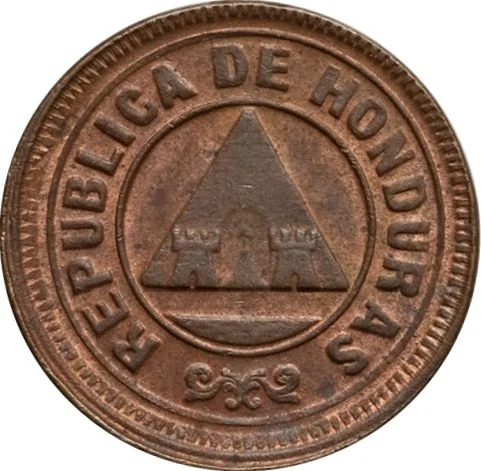
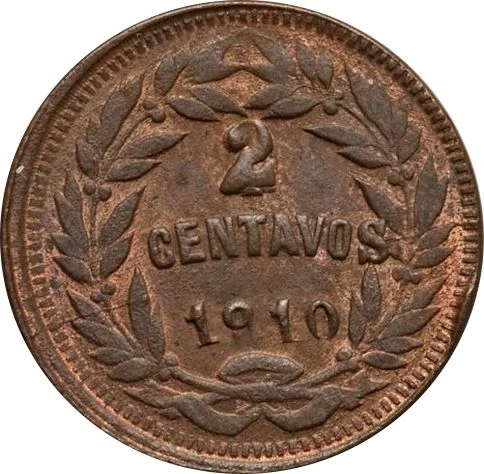
2 centavos – Honduras
Add to wishlist
Honduras
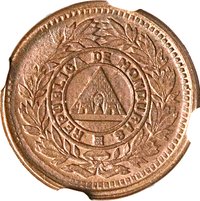
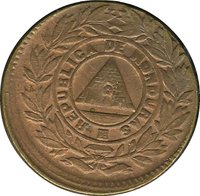
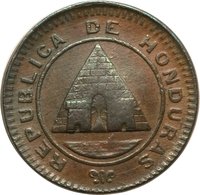
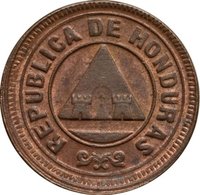
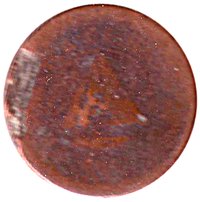
Obverse
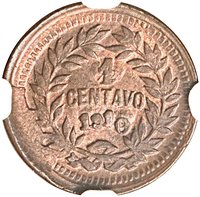
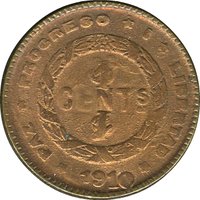
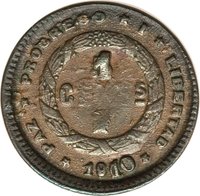
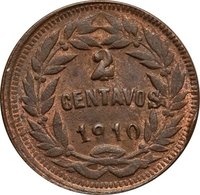
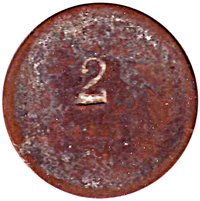
Reverse
Edge
Milled
Categories
| Symbols> Coat of Arms |
| Symbol> Wreath |
Mints
| Name | Mark |
|---|---|
| Casa Nacional de la Moneda | — |
Mintings
| Year | Mint Mark | Mintage | Quality | Collection |
|---|---|---|---|---|
| 1910 | — | 170,127 | ||
| 1911 | — | 349,520 | ||
| 1912 | — | 70,000 | ||
| 1913 | — | 258,000 |
Historical background
In 1910, Honduras operated under a complex and unstable monetary system, a direct legacy of its 19th-century economic struggles. The primary official currency was the Honduran Peso, theoretically on a silver standard, but its value and circulation were inconsistent. More critically, the nation was deeply entangled with foreign currencies, particularly the British Pound Sterling and the US Dollar, due to its reliance on foreign investment, especially from American banana companies like the United Fruit Company. These foreign currencies often circulated more freely and were more trusted for major commercial transactions than the domestic peso, undermining national monetary sovereignty.
This monetary fragmentation was symptomatic of Honduras's broader economic and political fragility. The country was heavily indebted to British banks following a series of controversial "railroad loans" from the 1860s and 1870s, leading to foreign control over its customs revenues. Furthermore, the burgeoning banana export economy, dominated by US corporations, created enclaves that operated largely with dollar-based capital, further marginalizing the national currency. This period saw the government with limited control over its own money supply, struggling to finance its operations amidst competing foreign economic interests.
Consequently, the early 20th century was a transitional phase leading toward monetary reform. The instability of the peso and the practical dominance of the US Dollar in key export sectors set the stage for the major change that would come just over two decades later. In 1926, Honduras would formally abandon the silver peso and legally adopt the Honduran Lempira, pegged to the US Dollar, in an effort to create a stable, unified national currency and better integrate with the dominant dollar-based trade of the region. The situation in 1910, therefore, represents the fraught prelude to this significant monetary overhaul.
This monetary fragmentation was symptomatic of Honduras's broader economic and political fragility. The country was heavily indebted to British banks following a series of controversial "railroad loans" from the 1860s and 1870s, leading to foreign control over its customs revenues. Furthermore, the burgeoning banana export economy, dominated by US corporations, created enclaves that operated largely with dollar-based capital, further marginalizing the national currency. This period saw the government with limited control over its own money supply, struggling to finance its operations amidst competing foreign economic interests.
Consequently, the early 20th century was a transitional phase leading toward monetary reform. The instability of the peso and the practical dominance of the US Dollar in key export sectors set the stage for the major change that would come just over two decades later. In 1926, Honduras would formally abandon the silver peso and legally adopt the Honduran Lempira, pegged to the US Dollar, in an effort to create a stable, unified national currency and better integrate with the dominant dollar-based trade of the region. The situation in 1910, therefore, represents the fraught prelude to this significant monetary overhaul.
Series: 1910 Honduras circulation coins
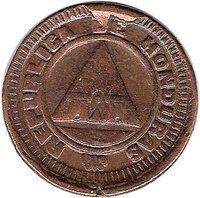
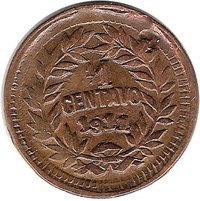
🌟 Uncommon