

1 pound – Jersey
Add to wishlist
Context
Years: 1994–1997
Country: British Crown dependencies
Issuer: Jersey
Ruler: Elizabeth II
Currency:
(since 1971)
Demonetization: 15 October 2017
Total mintage: 161,000
Material
Diameter: 22.5 mm
Weight: 9.5 g
Shape: Round
Composition: Nickel brass
Magnetic: No
Technique: Milled
Alignment: Medal alignment
flip
References
KM: #
Numista: #20012
Value
Exchange value: 1 JEP
Obverse
Description:
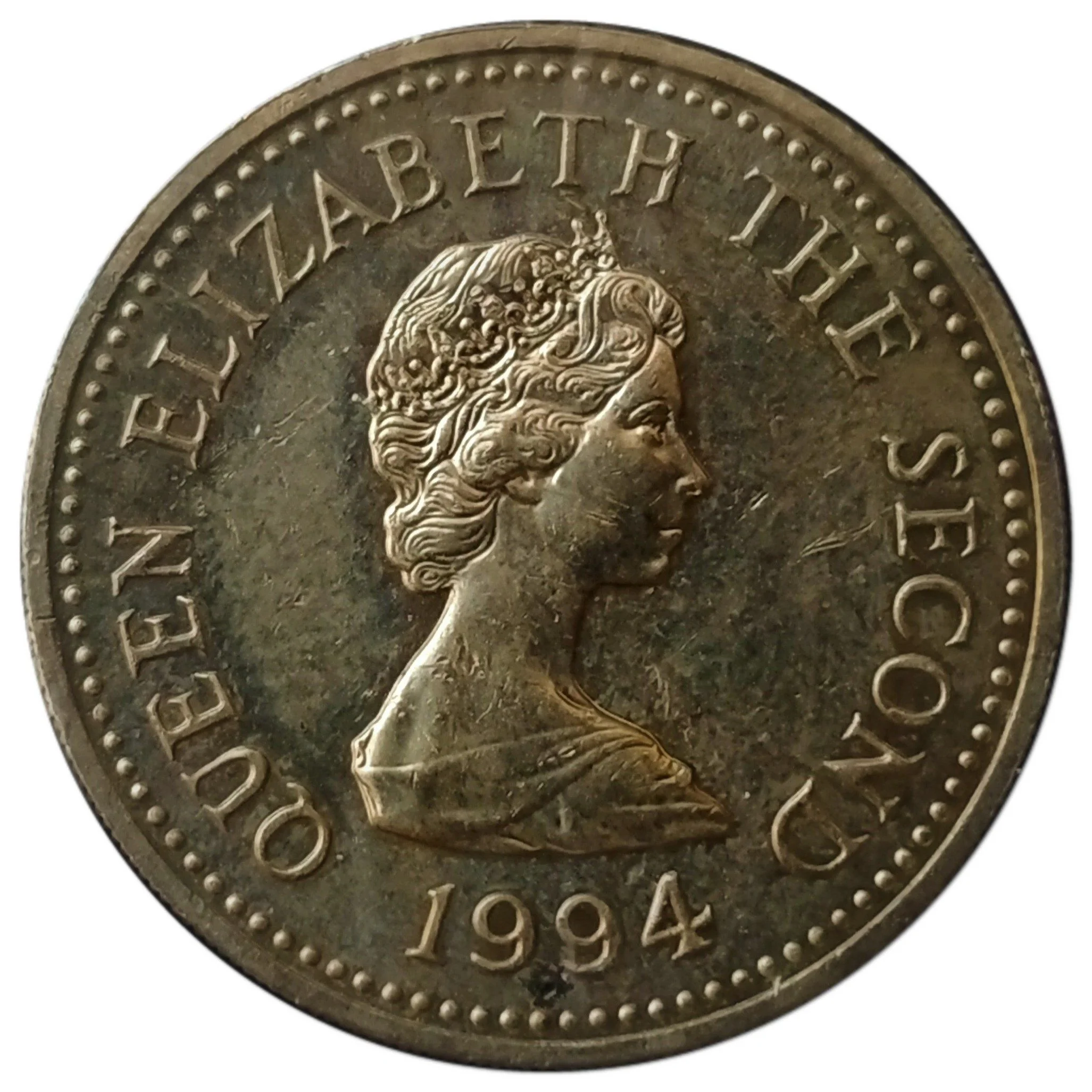
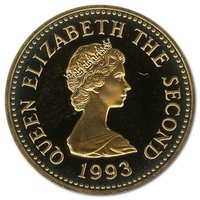
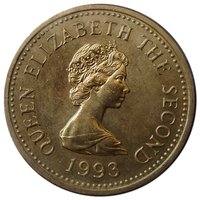
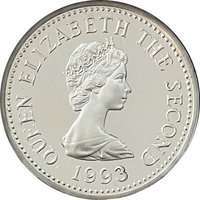
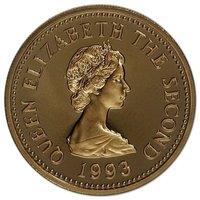
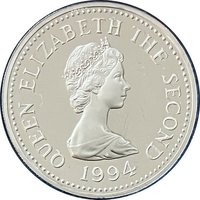
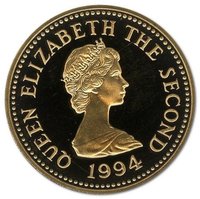
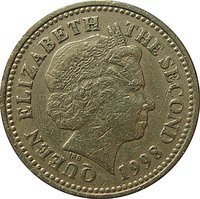
Queen Elizabeth II facing right in the Girls of Great Britain Tiara.
Inscription:
QUEEN ELIZABETH THE SECOND
1997
1997
Script: Latin
Engraver: Arnold Machin
Reverse
Description:
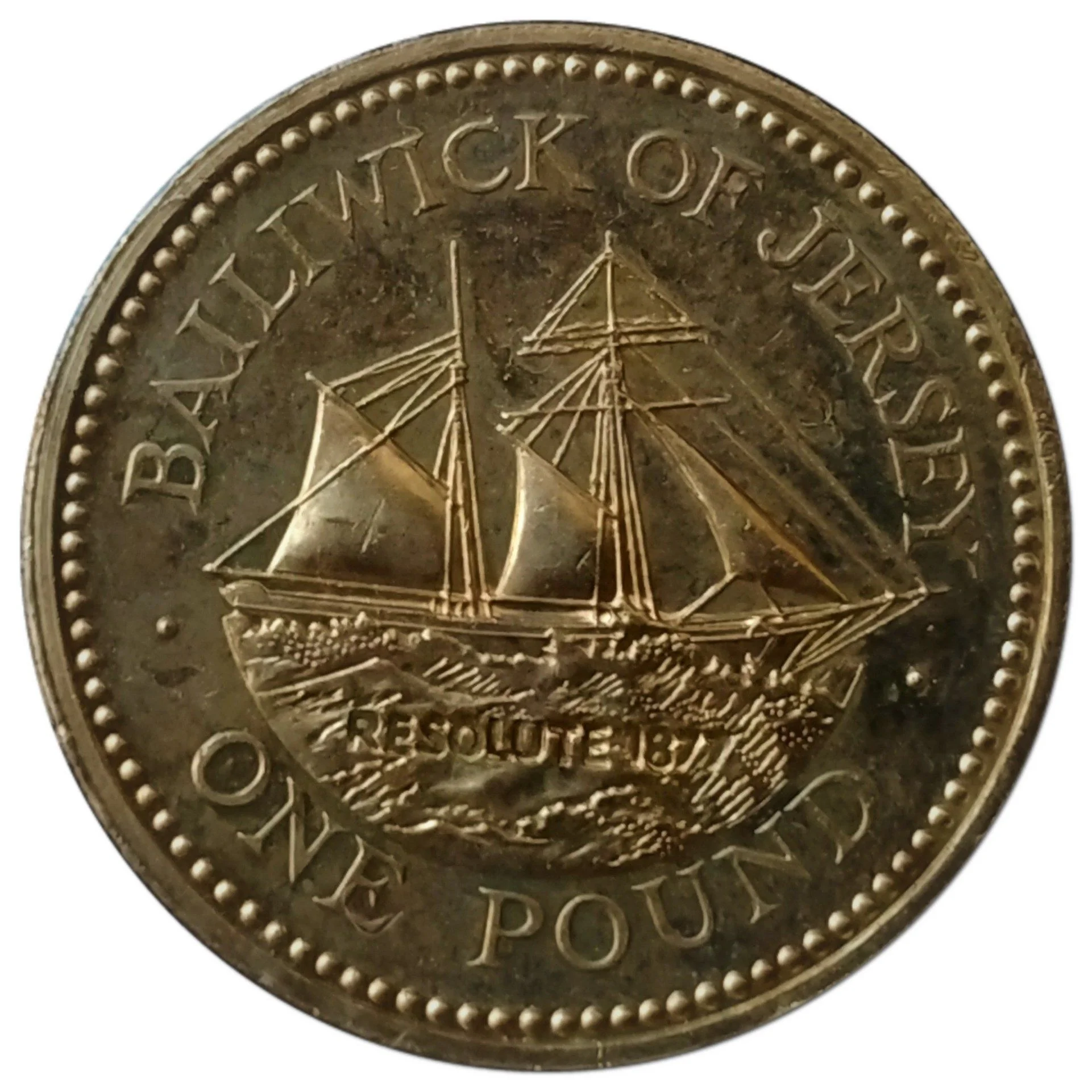
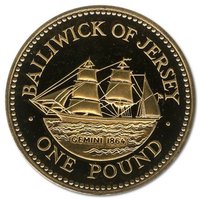
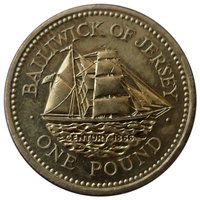
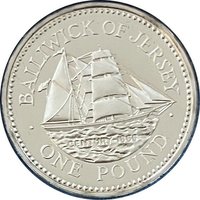
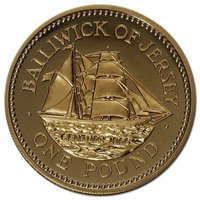
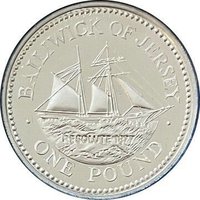
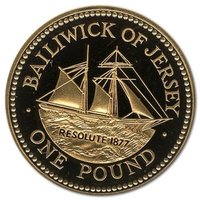
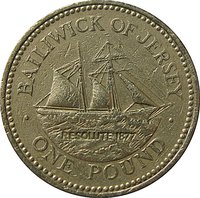
Sailing schooner.
Inscription:
BAILIWICK OF JERSEY
RESOLUTE 1877
· ONE POUND ·
RESOLUTE 1877
· ONE POUND ·
Script: Latin
Engraver: Robert Evans
Edge
Milled with incuse legend
Legend:
INSULA CAESAREA
Categories
| Transportation> Watercraft |
Mints
| Name | Mark |
|---|---|
| Royal Mint | — |
Mintings
| Year | Mint Mark | Mintage | Quality | Collection |
|---|---|---|---|---|
| 1994 | — | 60,000 | ||
| 1997 | — | 101,000 |
Historical background
In 1994, the currency situation in Jersey was characterised by its long-standing and stable link to the British pound sterling. As a Crown Dependency, Jersey was not part of the United Kingdom but had its own monetary system, issuing distinct banknotes and coins that were legal tender only on the island. These Jersey pounds were pegged at par with sterling, meaning they were freely interchangeable with Bank of England notes, which also circulated widely and were accepted in everyday transactions. This arrangement provided economic stability and facilitated seamless trade and financial flows with Jersey's largest partner, the UK.
The period saw Jersey's finance sector continuing its significant growth, reinforcing the need for a reliable and trusted currency. The island's notes, issued by the States of Jersey, functioned effectively as local tokens of the pound sterling, with the Jersey government holding sterling reserves to fully back its own currency issue. This full backing was a cornerstone of monetary policy, ensuring confidence in the Jersey pound both domestically and internationally. There was no active debate or move towards monetary independence or adopting another currency, as the sterling link was seen as fundamental to the island's prosperity.
Therefore, the background for 1994 is one of continuity and absence of crisis. The year did not feature any major currency reforms or devaluations. Instead, it was a typical year within a decades-old framework where Jersey successfully maintained a dual circulation system under the sterling peg. This stability supported its key economic pillars of tourism and, increasingly, offshore banking, by providing a familiar and secure monetary environment for residents and international businesses alike.
The period saw Jersey's finance sector continuing its significant growth, reinforcing the need for a reliable and trusted currency. The island's notes, issued by the States of Jersey, functioned effectively as local tokens of the pound sterling, with the Jersey government holding sterling reserves to fully back its own currency issue. This full backing was a cornerstone of monetary policy, ensuring confidence in the Jersey pound both domestically and internationally. There was no active debate or move towards monetary independence or adopting another currency, as the sterling link was seen as fundamental to the island's prosperity.
Therefore, the background for 1994 is one of continuity and absence of crisis. The year did not feature any major currency reforms or devaluations. Instead, it was a typical year within a decades-old framework where Jersey successfully maintained a dual circulation system under the sterling peg. This stability supported its key economic pillars of tourism and, increasingly, offshore banking, by providing a familiar and secure monetary environment for residents and international businesses alike.
Series: 19th century Jersey Shipbuilding
🌱 Fairly Common