

1 florin – New Zealand
Add to wishlist
New Zealand
Context
Year: 1947
Issuer: New Zealand
Ruler: George VI
Currency:
(1840—1967)
Demonetization: 31 October 2006
Total mintage: 2,500,020
Material
Diameter: 28.5 mm
Weight: 11.31 g
Thickness: 2.5 mm
Shape: Round
Composition: Copper-nickel
Technique: Milled
Alignment: Medal alignment
flip
References
KM: #
Numista: #19949
Obverse
Description:
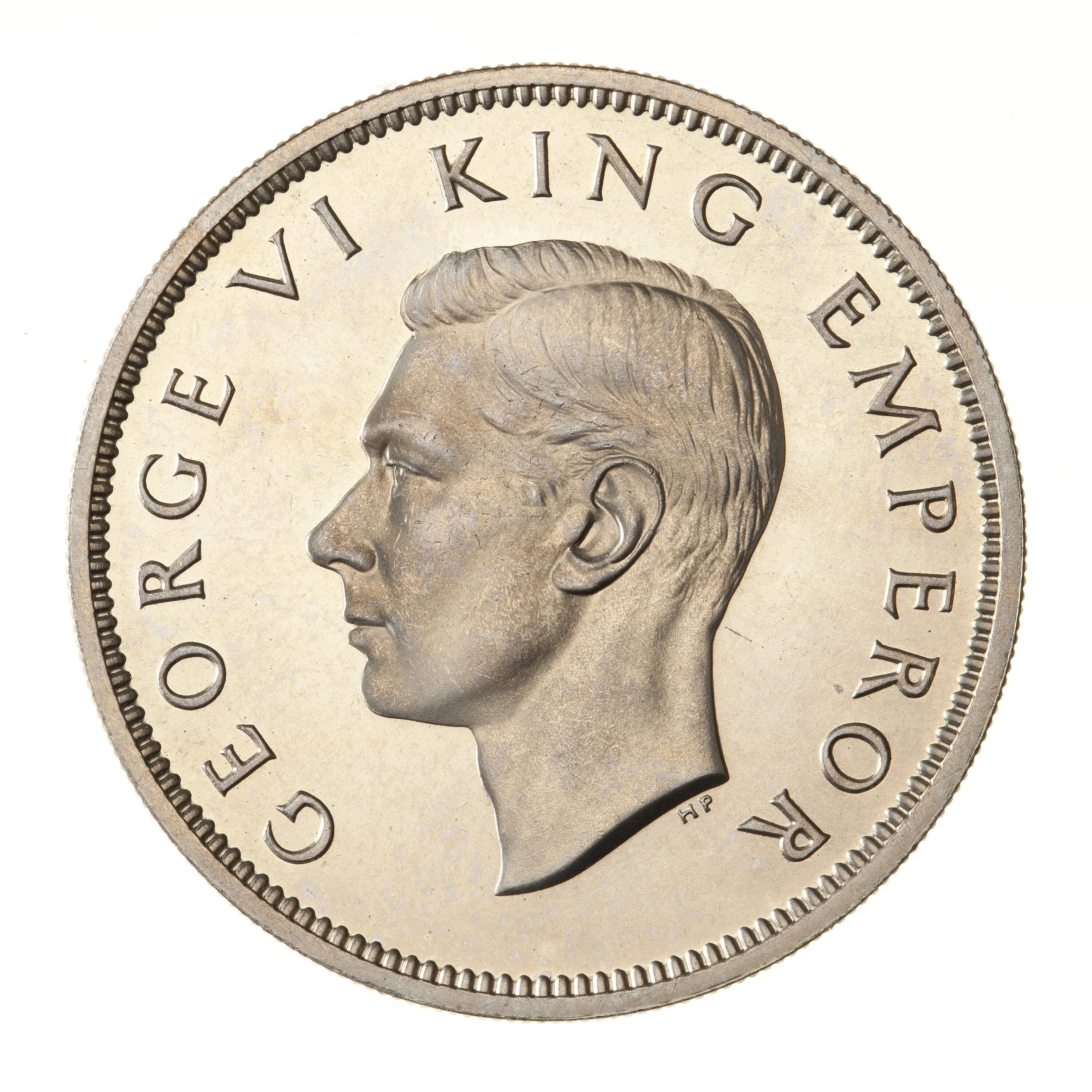
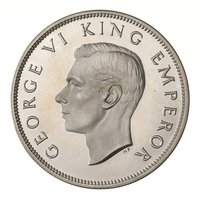
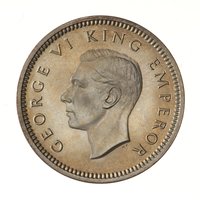
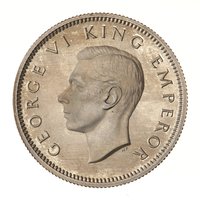
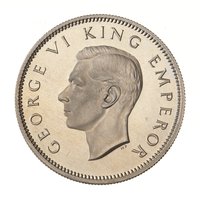
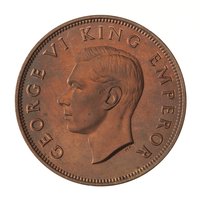
King George VI, uncrowned, left-facing portrait, legend encircling.
Inscription:
GEORGE VI KING EMPEROR
HP
HP
Script: Latin
Engraver: Thomas Humphrey Paget
Reverse
Description:
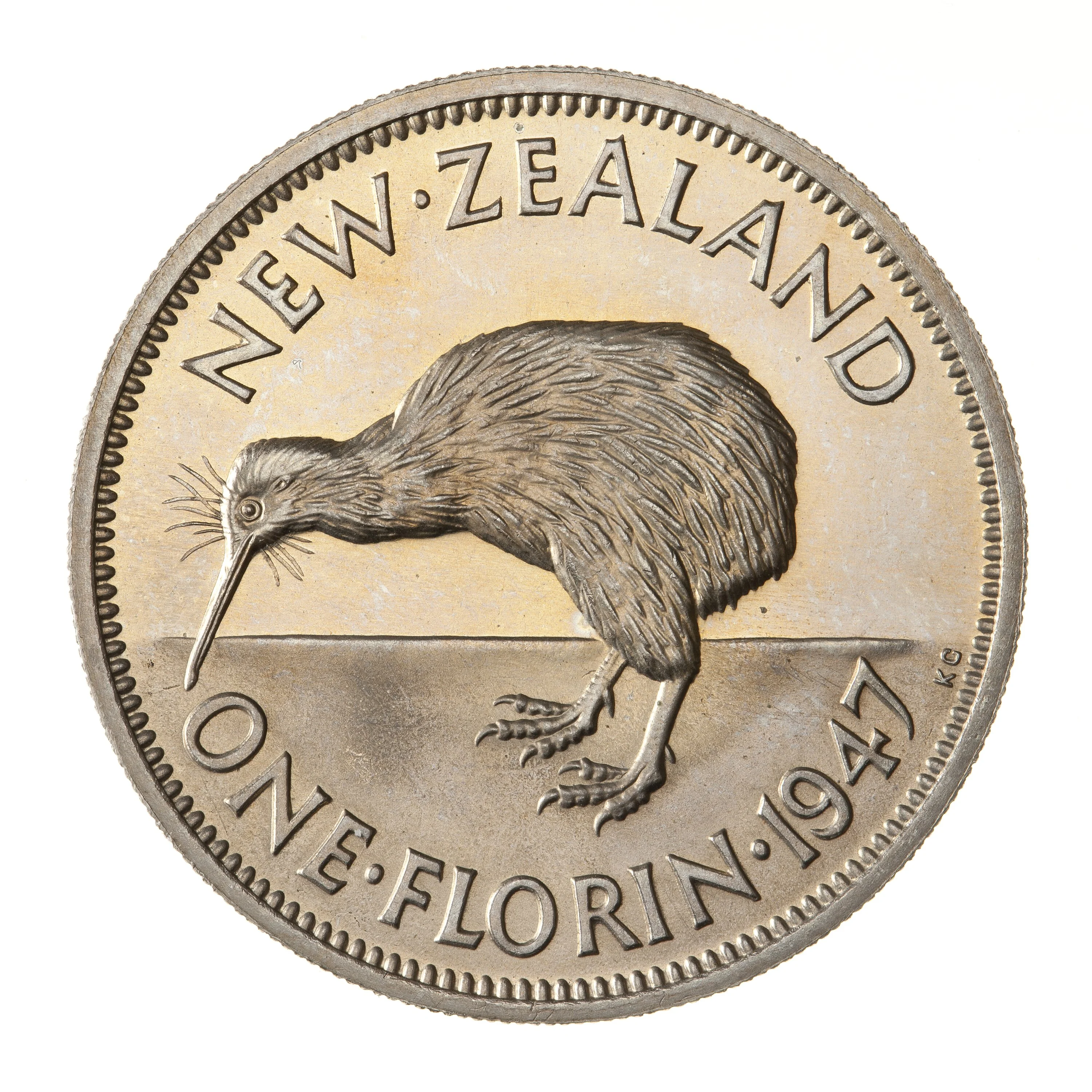
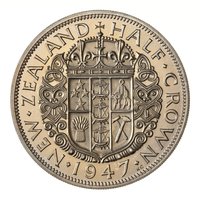
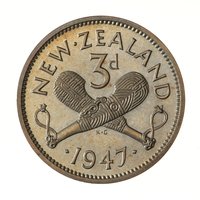
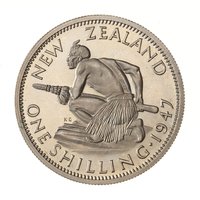
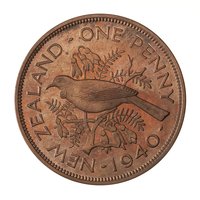
Kiwi left, legend above, denomination and date below.
Inscription:
NEW·ZEALAND
ONE·FLORIN·1947
KG
ONE·FLORIN·1947
KG
Script: Latin
Engraver: George Kruger Gray
Edge
Reeded
Mints
| Name | Mark |
|---|---|
| Royal Mint (Tower Hill) | — |
Mintings
| Year | Mint Mark | Mintage | Quality | Collection |
|---|---|---|---|---|
| 1947 | — | 2,500,000 | ||
| 1947 | — | 20 | Proof |
Historical background
In 1947, New Zealand's currency situation was fundamentally defined by its membership in the Sterling Area and the strict exchange controls implemented during World War II, which remained firmly in place. As a core member of this monetary bloc, New Zealand pooled its foreign exchange earnings, primarily from its massive pastoral exports to Britain, into a central London reserve. All transactions with countries outside the Sterling Area, particularly "dollar area" nations like the United States and Canada, required stringent government approval to conserve scarce US dollars for essential imports. This system tightly linked the New Zealand pound to the British pound sterling.
The year was marked by significant economic strain, which directly pressured the currency. A severe balance of payments crisis emerged due to a sharp increase in import demand after wartime restrictions, coupled with a temporary drop in wool prices. This drained New Zealand's sterling reserves in London, threatening its ability to purchase vital machinery and oil from hard-currency countries. In response, the Labour government under Prime Minister Peter Fraser introduced a comprehensive import licensing regime in late 1947, effectively rationing foreign exchange by physically controlling what goods could enter the country, rather than devaluing the currency.
Consequently, the currency situation was one of stability on the surface—with a fixed parity to sterling—but underlying fragility and heavy state management. The focus was not on the external value of the New Zealand pound, which was pegged, but on the administrative control of foreign exchange to navigate the dollar shortage and protect dwindling reserves. This defensive, insular framework would characterize New Zealand's monetary policy for the next two decades, delaying convertibility and liberalisation until the 1970s and 1980s.
The year was marked by significant economic strain, which directly pressured the currency. A severe balance of payments crisis emerged due to a sharp increase in import demand after wartime restrictions, coupled with a temporary drop in wool prices. This drained New Zealand's sterling reserves in London, threatening its ability to purchase vital machinery and oil from hard-currency countries. In response, the Labour government under Prime Minister Peter Fraser introduced a comprehensive import licensing regime in late 1947, effectively rationing foreign exchange by physically controlling what goods could enter the country, rather than devaluing the currency.
Consequently, the currency situation was one of stability on the surface—with a fixed parity to sterling—but underlying fragility and heavy state management. The focus was not on the external value of the New Zealand pound, which was pegged, but on the administrative control of foreign exchange to navigate the dollar shortage and protect dwindling reserves. This defensive, insular framework would characterize New Zealand's monetary policy for the next two decades, delaying convertibility and liberalisation until the 1970s and 1980s.
🌱 Common