

1 penny – Falkland Islands
Add to wishlist
United Kingdom
Context
Year: 2019
Country: United Kingdom
Issuer: Falkland Islands
Ruler: Elizabeth II
Currency:
(since 1971)
Material
References
KM: #
Numista: #195161
Value
Exchange value: 0.01 FKP
Inflation-adjusted value: 0.01 FKP
Obverse
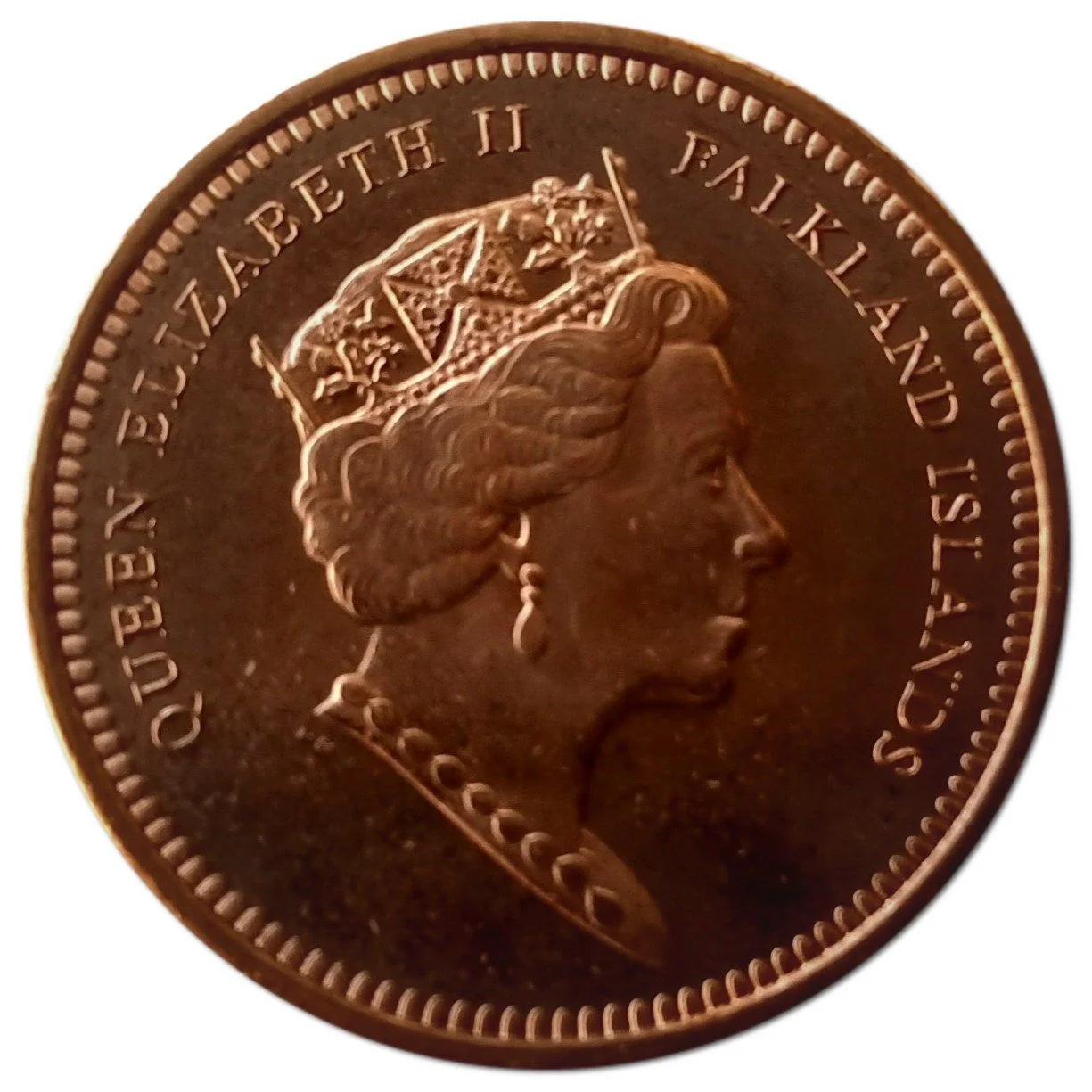
Description:
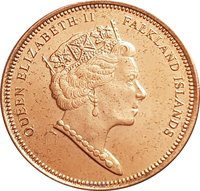
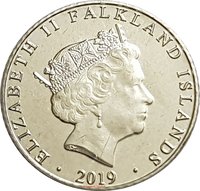
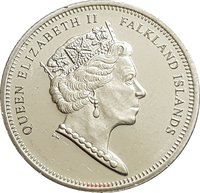
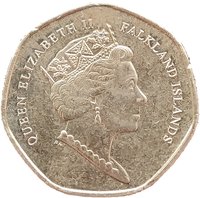
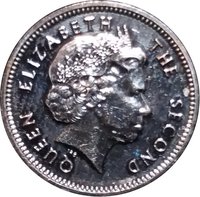
Portrait of Queen Elizabeth II facing right.
Inscription:
IRB
QUEEN ELIZABETH II FALKLAND ISLANDS
QUEEN ELIZABETH II FALKLAND ISLANDS
Script: Latin
Reverse
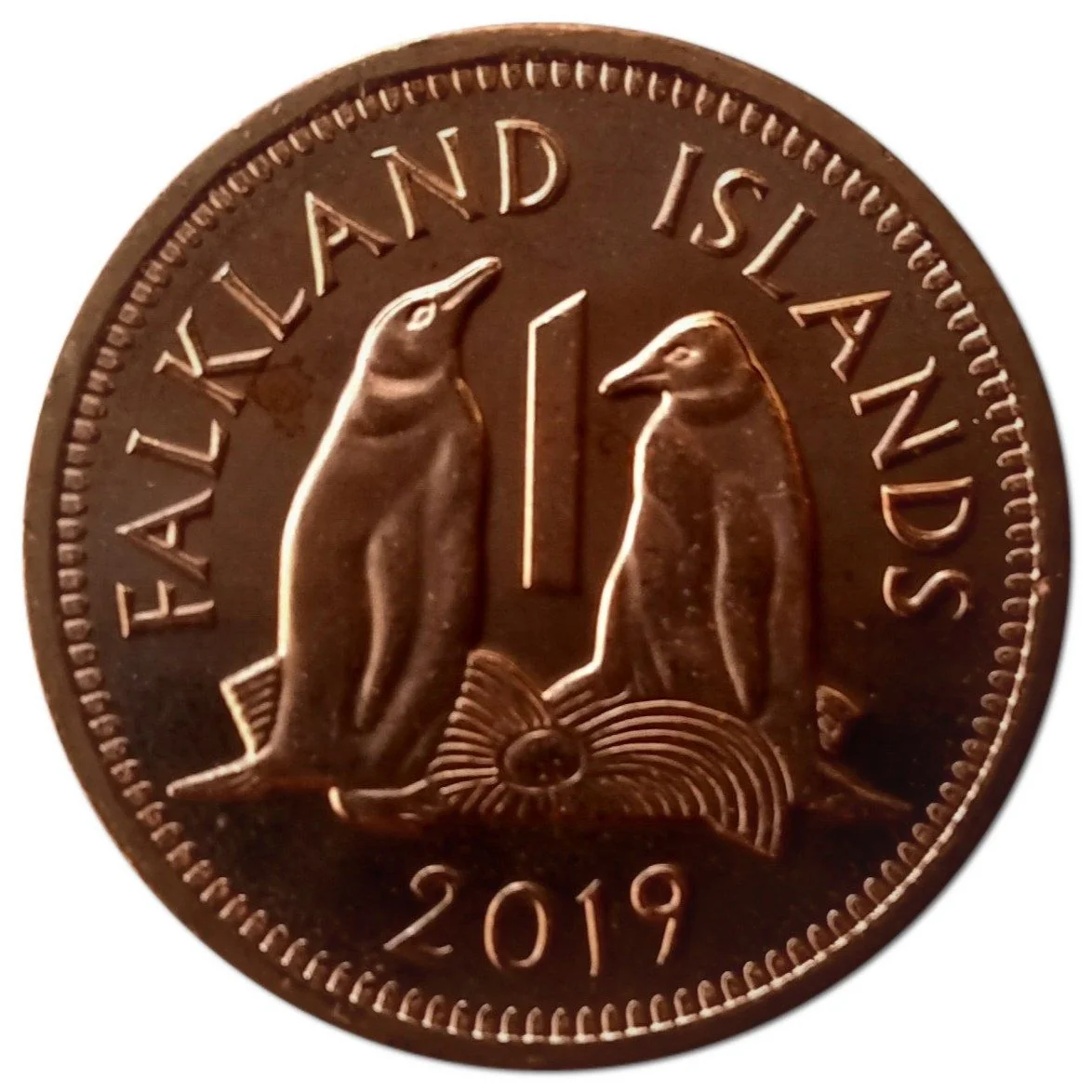
Description:
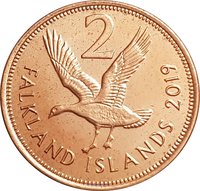
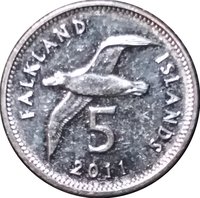
Two penguins flanking a denomination, with country above and date below.
Inscription:
FALKLAND ISLANDS
1
2019
1
2019
Script: Latin
Edge
Plain
Mints
| Name | Mark |
|---|---|
| Pobjoy Mint | PM |
Mintings
| Year | Mint Mark | Mintage | Quality | Collection |
|---|---|---|---|---|
| 2019 | PM | — |
Historical background
In 2019, the currency situation in the Falkland Islands remained stable and unaltered, continuing its long-standing dual-currency system. The official currency is the Falkland Islands pound (FKP), which is pegged at par value to the British pound sterling (GBP). This peg, maintained by the Falkland Islands Government, ensures a 1:1 exchange rate, making the two currencies effectively interchangeable within the territory. Sterling banknotes and coins circulate freely alongside locally issued Falkland pound notes and coins, which feature distinct local imagery but hold identical value.
The economy's reliance on this fixed peg to sterling provides crucial monetary stability, insulating the islands from exchange rate volatility. This is particularly important given the territory's economic pillars: fisheries (primarily squid licensing), tourism, and agriculture. The system facilitates seamless trade and financial transactions with the United Kingdom, which is its main partner for imports, governance, and banking services. There were no significant debates or policy shifts regarding currency in 2019, as the existing framework was widely seen as supporting economic predictability and confidence.
Furthermore, the use of British sterling simplifies matters for the significant number of visitors, including scientific researchers and tourists from international cruise ships, though most on-island transactions are conducted in cash, with card payments becoming more common in Stanley. Importantly, the Falkland Islands pound is not legal tender in the United Kingdom, but sterling from the UK is accepted without issue in the Falklands. The year 2019 thus represented a period of continuity, with the currency arrangement functioning as a cornerstone of the islands' financial integration with Britain and their overall economic management.
The economy's reliance on this fixed peg to sterling provides crucial monetary stability, insulating the islands from exchange rate volatility. This is particularly important given the territory's economic pillars: fisheries (primarily squid licensing), tourism, and agriculture. The system facilitates seamless trade and financial transactions with the United Kingdom, which is its main partner for imports, governance, and banking services. There were no significant debates or policy shifts regarding currency in 2019, as the existing framework was widely seen as supporting economic predictability and confidence.
Furthermore, the use of British sterling simplifies matters for the significant number of visitors, including scientific researchers and tourists from international cruise ships, though most on-island transactions are conducted in cash, with card payments becoming more common in Stanley. Importantly, the Falkland Islands pound is not legal tender in the United Kingdom, but sterling from the UK is accepted without issue in the Falklands. The year 2019 thus represented a period of continuity, with the currency arrangement functioning as a cornerstone of the islands' financial integration with Britain and their overall economic management.
🌱 Fairly Common