

4 Centésimos – Paraguay
Paraguay
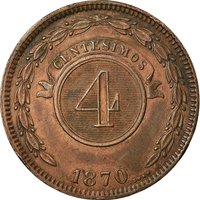
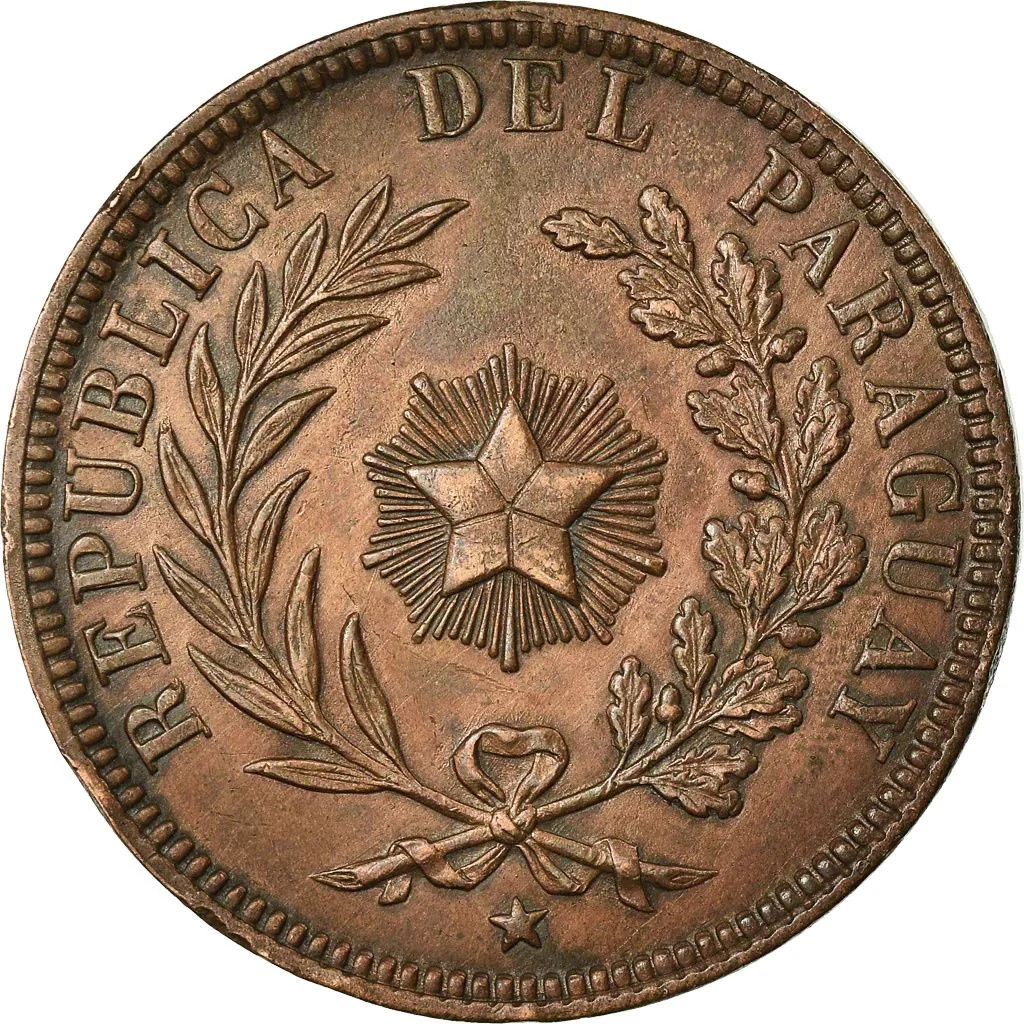
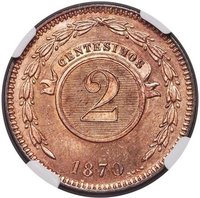
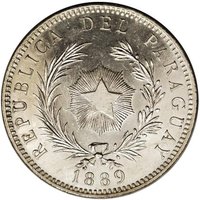
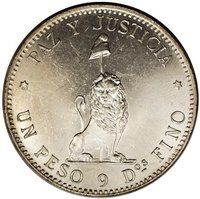
Obverse
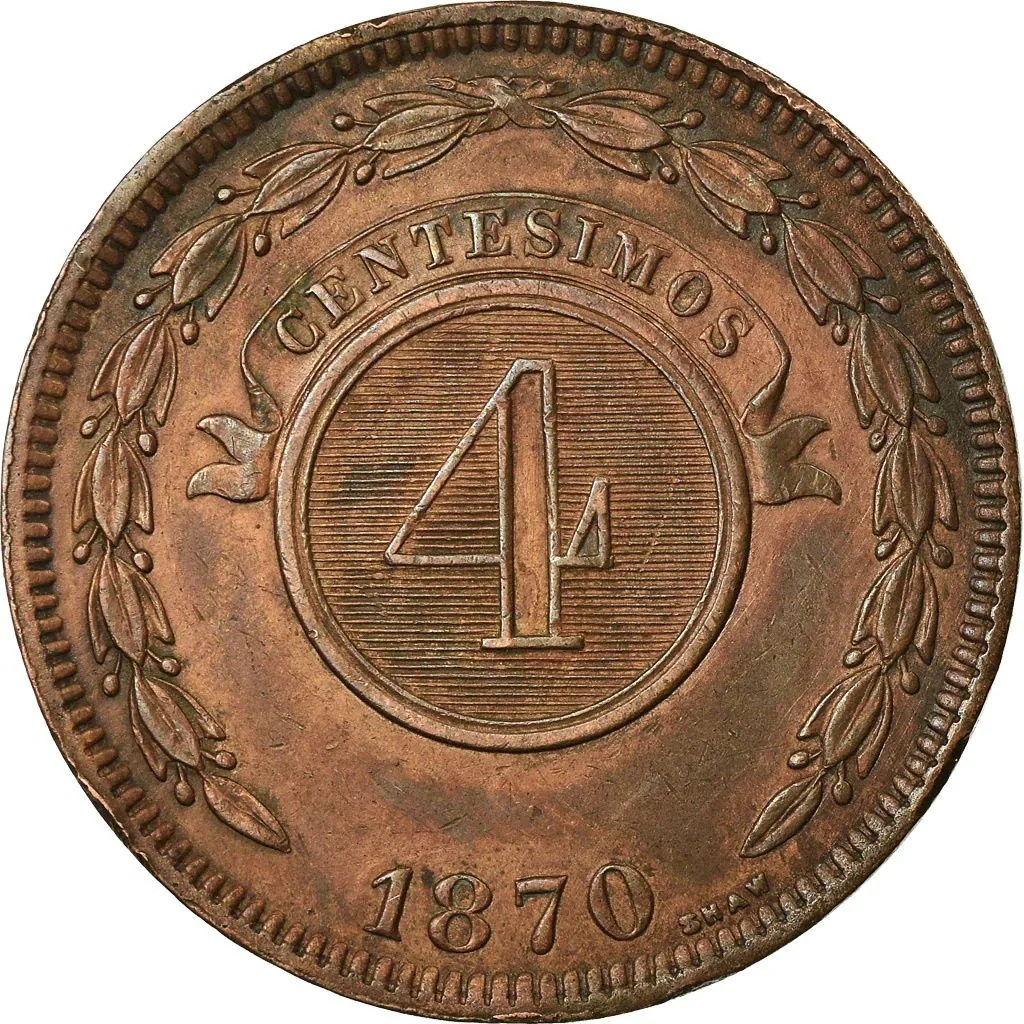
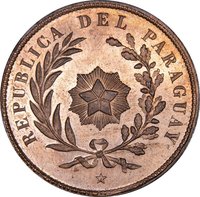
Reverse
Edge
Plain
Categories
| Symbols> Coat of Arms |
Mints
| Name | Mark |
|---|---|
| Asunción | — |
| Heaton and Sons / The Mint Birmingham | SHAW |
Mintings
| Year | Mint Mark | Mintage | Quality | Collection |
|---|---|---|---|---|
| 1870 | — | — | ||
| 1870 | SAEZ | — | ||
| 1870 | SHAW | — |
Historical background
Following the catastrophic defeat in the War of the Triple Alliance (1864-1870), Paraguay entered the 1870s in a state of utter devastation, with its population decimated, territory occupied, and economy in ruins. The national currency, the peso fuerte, had become virtually worthless due to the government's desperate issuance of inconvertible paper money to finance the war effort. This hyperinflation, combined with the physical destruction of mints and the occupation of key economic zones by Brazilian and Argentine forces, left the country with no functional monetary system.
In this vacuum, a chaotic multi-currency system emerged as a practical necessity. Foreign coins, particularly Argentine pesos, Brazilian réis, and even older Spanish colonial coins, circulated widely for daily transactions. Barter became a common means of exchange, especially in the impoverished countryside. The provisional government, lacking bullion and authority, had no capacity to issue a credible national currency, leading to a complete loss of monetary sovereignty where the value of money was dictated by the inflow of foreign coinage and the demands of the occupying armies.
This monetary disarray reflected the broader challenges of national reconstruction. Establishing a stable and unified currency was a foundational prerequisite for economic recovery, but it was impossible without political stability, international recognition, and some restoration of public credit. The currency situation of 1870 thus stands as a stark symbol of the nation's collapse, setting the stage for the long and difficult process of financial and institutional rebuilding that would characterize the subsequent decades.
In this vacuum, a chaotic multi-currency system emerged as a practical necessity. Foreign coins, particularly Argentine pesos, Brazilian réis, and even older Spanish colonial coins, circulated widely for daily transactions. Barter became a common means of exchange, especially in the impoverished countryside. The provisional government, lacking bullion and authority, had no capacity to issue a credible national currency, leading to a complete loss of monetary sovereignty where the value of money was dictated by the inflow of foreign coinage and the demands of the occupying armies.
This monetary disarray reflected the broader challenges of national reconstruction. Establishing a stable and unified currency was a foundational prerequisite for economic recovery, but it was impossible without political stability, international recognition, and some restoration of public credit. The currency situation of 1870 thus stands as a stark symbol of the nation's collapse, setting the stage for the long and difficult process of financial and institutional rebuilding that would characterize the subsequent decades.
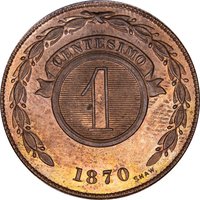
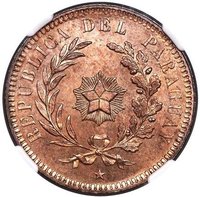
🌱 Fairly Common