

250 francs cfa – Western African States
Add to wishlist
Context
Years: 1992–1996
Issuer: Western African States
Issuing organization: Central Bank of Western African States
Currency:
(since 1958)
Total mintage: 26,500,000
Material
References
KM: #
Numista: #1797
Value
Exchange value: 250 XOF
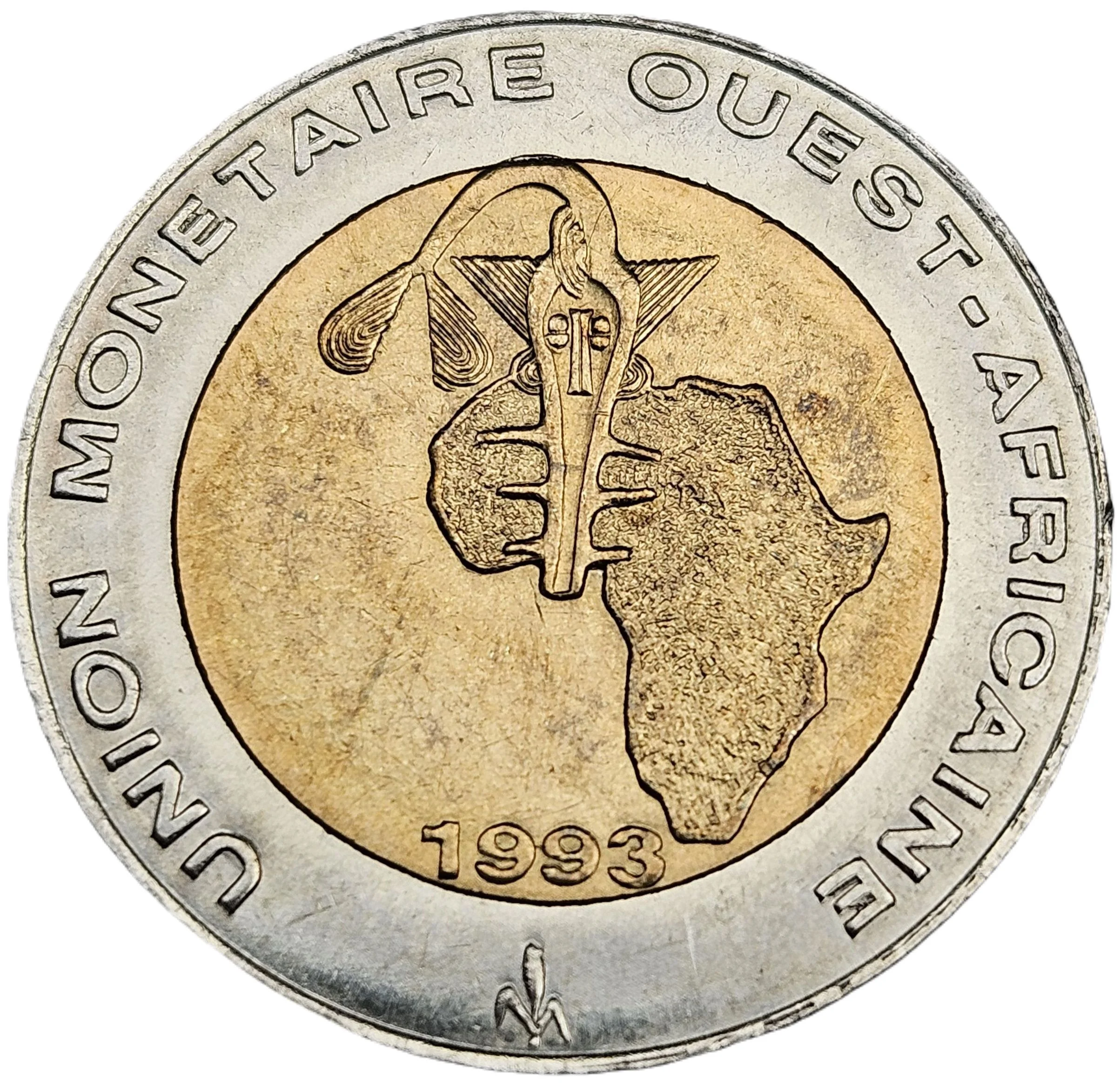
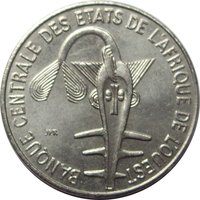
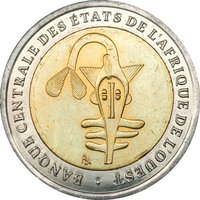
Obverse
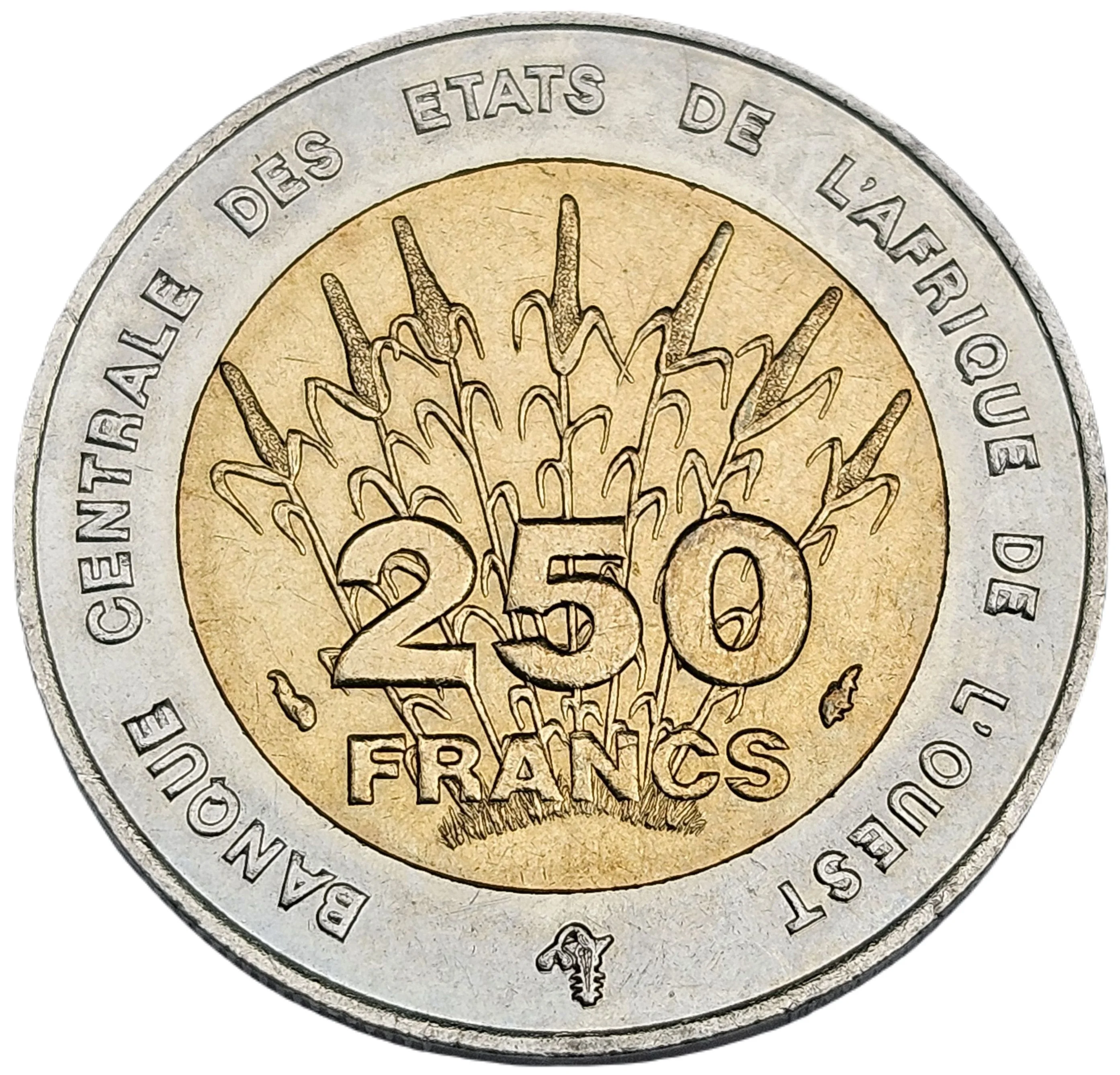
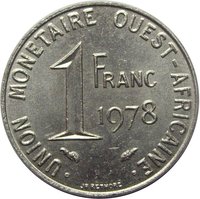
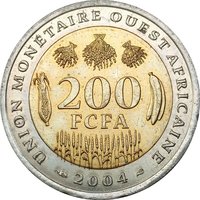
Reverse
Edge
Interrupted reeding (5 sections)
Categories
| Map |
Mints
| Name | Mark |
|---|---|
| Monnaie de Paris | — |
Mintings
| Year | Mint Mark | Mintage | Quality | Collection |
|---|---|---|---|---|
| 1992 | — | 9,000,000 | ||
| 1993 | — | 10,000,000 | ||
| 1996 | — | 7,500,000 |
Historical background
In 1992, the currency situation in West Africa was defined by the operations of two distinct monetary unions, each with its own challenges. The most prominent was the CFA franc zone, divided into the West African CFA franc (used by the BCEAO member states) and the Central African CFA franc. The West African CFA franc, pegged to the French franc at a fixed rate of 50:1 (later 100:1 in 1994), provided monetary stability and guaranteed convertibility through the French Treasury. However, this arrangement was increasingly criticized for limiting sovereign monetary policy and being overvalued, which hurt the competitiveness of exports from member states like Côte d'Ivoire and Senegal.
Alongside the CFA zone, several Anglophone West African nations, most notably Nigeria and Ghana, managed their own independent currencies. Nigeria, the region's largest economy, was grappling with the aftermath of structural adjustment and chronic inflation, which led to a volatile and frequently devalued naira. Ghana was in the process of stabilizing its cedi after a period of severe economic turmoil. These independent currencies often experienced significant depreciation on parallel markets, creating sharp monetary divides with the more stable but rigid CFA franc zone.
The year 1992 was a pivotal calm before a storm. While the fixed parity of the CFA franc remained officially unwavering, underlying economic pressures—including low commodity prices, growing debt, and stagnant growth—were building towards a crisis. Discussions about the sustainability of the peg were mounting among economists and within international financial institutions. This tense equilibrium would ultimately break just two years later with the major devaluation of the CFA franc in January 1994, a watershed event that reshaped the region's economic landscape.
Alongside the CFA zone, several Anglophone West African nations, most notably Nigeria and Ghana, managed their own independent currencies. Nigeria, the region's largest economy, was grappling with the aftermath of structural adjustment and chronic inflation, which led to a volatile and frequently devalued naira. Ghana was in the process of stabilizing its cedi after a period of severe economic turmoil. These independent currencies often experienced significant depreciation on parallel markets, creating sharp monetary divides with the more stable but rigid CFA franc zone.
The year 1992 was a pivotal calm before a storm. While the fixed parity of the CFA franc remained officially unwavering, underlying economic pressures—including low commodity prices, growing debt, and stagnant growth—were building towards a crisis. Discussions about the sustainability of the peg were mounting among economists and within international financial institutions. This tense equilibrium would ultimately break just two years later with the major devaluation of the CFA franc in January 1994, a watershed event that reshaped the region's economic landscape.
🌱 Very Common