

10 cash – South Xinjiang
Add to wishlist
China
Context
Years: 1892–1907
Country: China
Issuer: South Xinjiang
Ruler: Guangxu
Currency:
(1759—1909)
Demonetized: Yes
Material
Diameter: 25 mm
Weight: 3.54 g
Thickness: 1.1 mm
Shape: Round with a square hole
Composition: Copper
Magnetic: No
Technique: Cast
Alignment: Medal alignment
flip
References
Numista: #178502
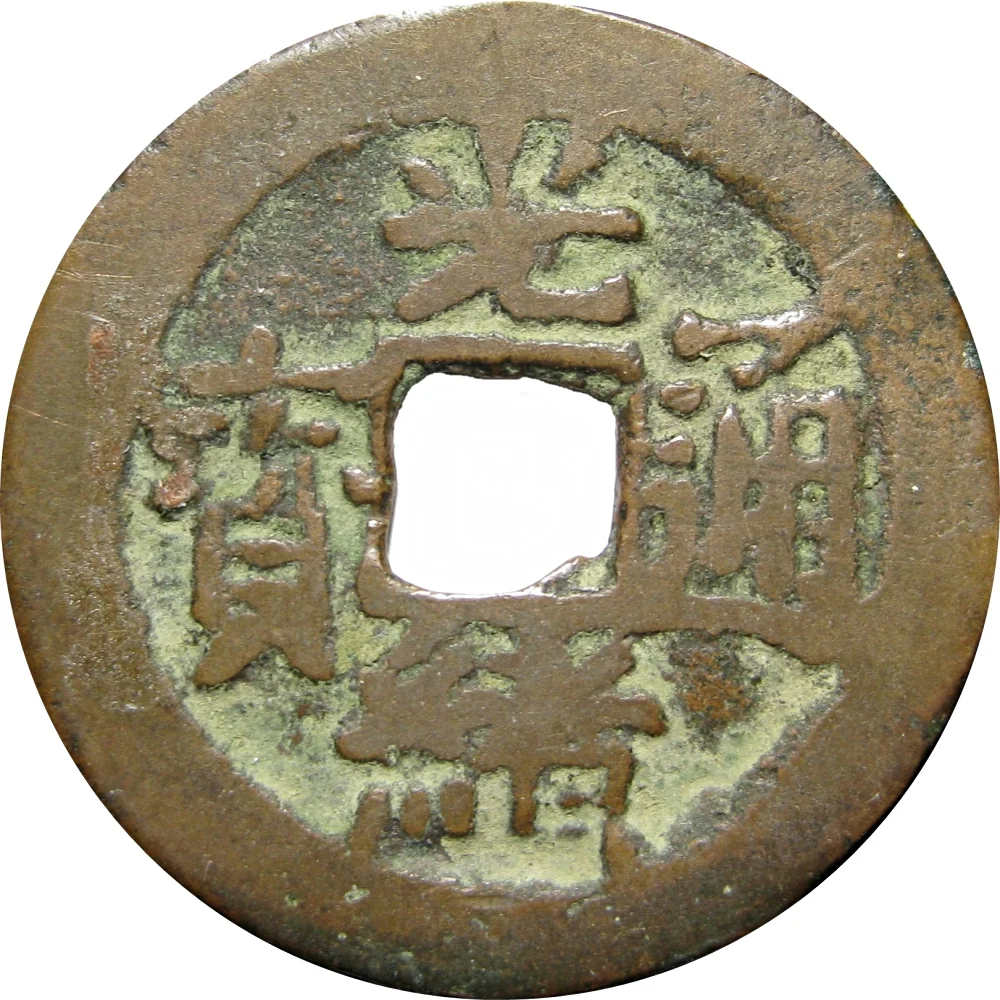
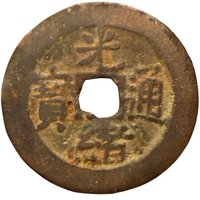
Obverse
Description:
Four Chinese characters read vertically, right to left.
Inscription:
光
寶 通
緒
寶 通
緒
Translation:
Guangxu
Tong Bao
Tong Bao
Scripts: Chinese (traditional, regular script)
Language: Chinese
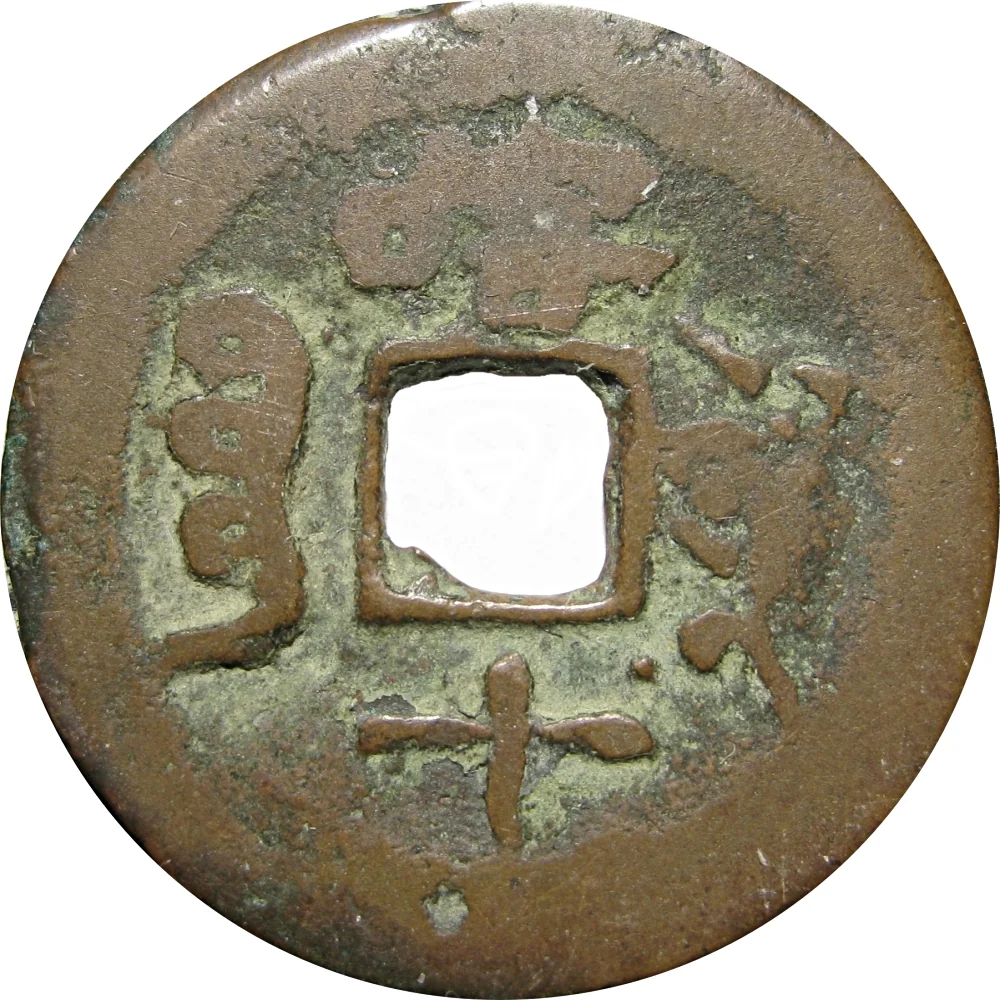
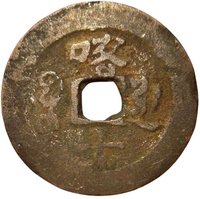
Reverse
Description:
One Chinese character above and below, with Uyghur to the right and Manchu to the left.
Inscription:
喀
ᠪᠣᠣ كاشغر
十
ᠪᠣᠣ كاشغر
十
Translation:
Cashgar
Edge
Plain
Mints
| Name | Mark |
|---|---|
| Kashgar Mint | — |
Mintings
| Year | Mint Mark | Mintage | Quality | Collection |
|---|---|---|---|---|
| — | — | — |
Historical background
In 1892, the currency situation in the region known as South Xinjiang (the Tarim Basin, centered on Kashgar) was characterized by profound monetary fragmentation and instability, a direct reflection of waning Qing central authority and intense geopolitical rivalry. The area was nominally under the control of the Qing dynasty, which had reconquered it from the Yakub Beg's state in 1877. However, standard Qing coinage (silver taels and copper cash) circulated unevenly and competed with a legacy of local coinage. The most prominent of these was the pul, a small, debased copper coin minted in Kashgar and other oasis cities, which was essential for daily market transactions but prone to severe inflation and counterfeiting.
This monetary chaos was exacerbated by the active economic influence of the British and Russian Empires, who vied for commercial and political dominance in Central Asia. Russian silver rubles and gold imperials, along with British Indian rupees and silver tangas, flowed into the region through trade networks. These foreign coins, particularly the Russian ruble, were often preferred for larger transactions and trade due to their higher and more reliable silver content, undermining the credibility of local and even official Qing currency. This created a multi-tiered system where long-distance trade was conducted in foreign or silver bullion, while local markets relied on a flood of depreciating copper coins.
The Qing authorities, through the Xinjiang provincial government established in 1884, recognized this instability as a threat to sovereignty and economic integration. Efforts were underway to standardize the currency by minting and promoting new, unified copper and silver coins bearing the reign title of the Guangxu Emperor at the Kashgar mint. However, in 1892, this reform was still a work in progress. The reality on the ground remained one of a complex and unsettled monetary environment, where merchants and inhabitants had to constantly negotiate exchange rates between multiple coinages, a daily reminder of the region's contested position between empires.
This monetary chaos was exacerbated by the active economic influence of the British and Russian Empires, who vied for commercial and political dominance in Central Asia. Russian silver rubles and gold imperials, along with British Indian rupees and silver tangas, flowed into the region through trade networks. These foreign coins, particularly the Russian ruble, were often preferred for larger transactions and trade due to their higher and more reliable silver content, undermining the credibility of local and even official Qing currency. This created a multi-tiered system where long-distance trade was conducted in foreign or silver bullion, while local markets relied on a flood of depreciating copper coins.
The Qing authorities, through the Xinjiang provincial government established in 1884, recognized this instability as a threat to sovereignty and economic integration. Efforts were underway to standardize the currency by minting and promoting new, unified copper and silver coins bearing the reign title of the Guangxu Emperor at the Kashgar mint. However, in 1892, this reform was still a work in progress. The reality on the ground remained one of a complex and unsettled monetary environment, where merchants and inhabitants had to constantly negotiate exchange rates between multiple coinages, a daily reminder of the region's contested position between empires.
✨ Legendary