

¼ noble – Isle of Man
Add to wishlist
Context
Year: 1996
Country: British Crown dependencies
Issuer: Isle of Man
Ruler: Elizabeth II
Currency:
(since 1983)
Total mintage: 10,000
Material
Diameter: 22 mm
Weight: 7.78 g
Platinum Weight:: 7.77 g
Shape: Round
Composition: 99.9% Platinum
Standard: Silver quarter ounce
Alignment: Medal alignment
flip
References
KM: #
Numista: #175884
Value
Bullion value: $519.01
Obverse
Description:
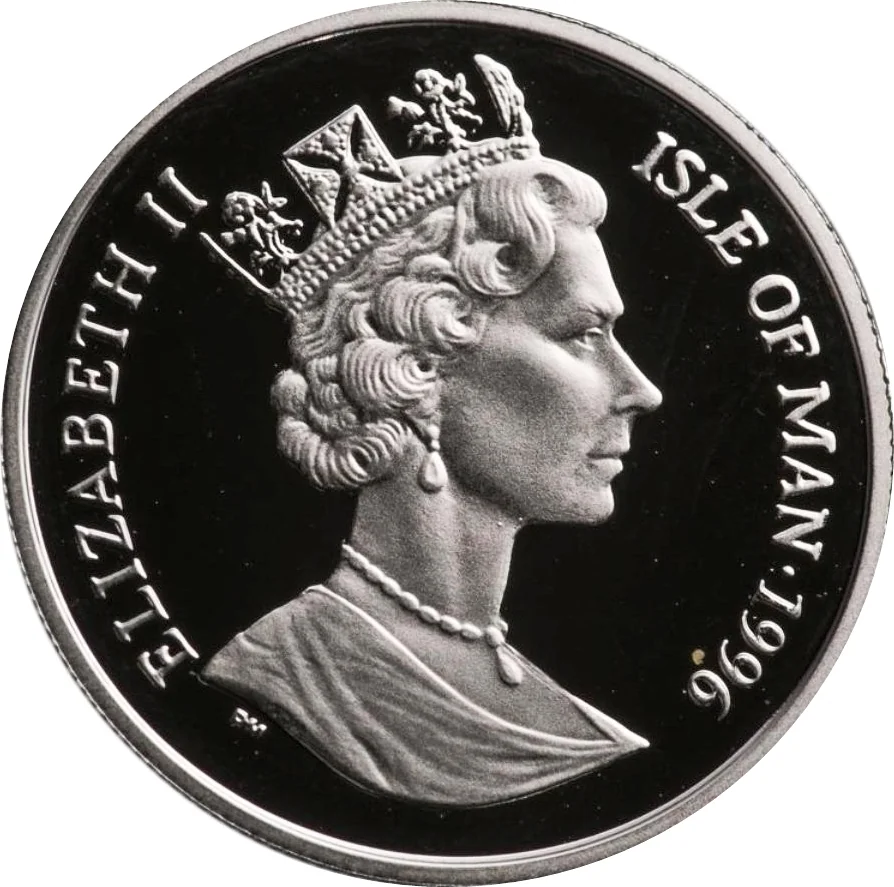
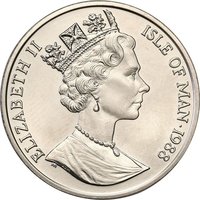
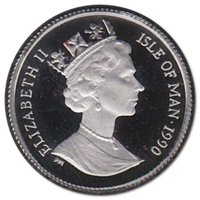
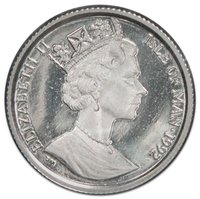
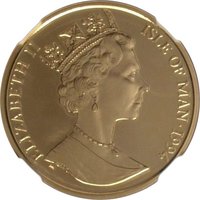
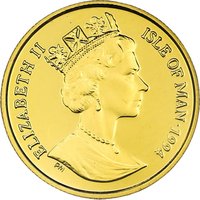
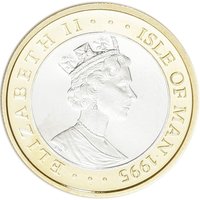
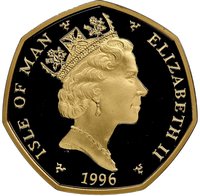
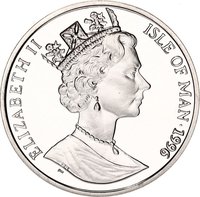
Queen Elizabeth II right-facing bust in George IV State Diadem, with legend and date.
Inscription:
ELIZABETH II ISLE OF MAN · 1996
RDM
PM
RDM
PM
Translation:
ELIZABETH II ISLE OF MAN · 1996
By the grace of God, Queen, Defender of the Faith
By the grace of God, Queen, Defender of the Faith
Script: Latin
Designer: Raphael David Maklouf
Reverse
Description:
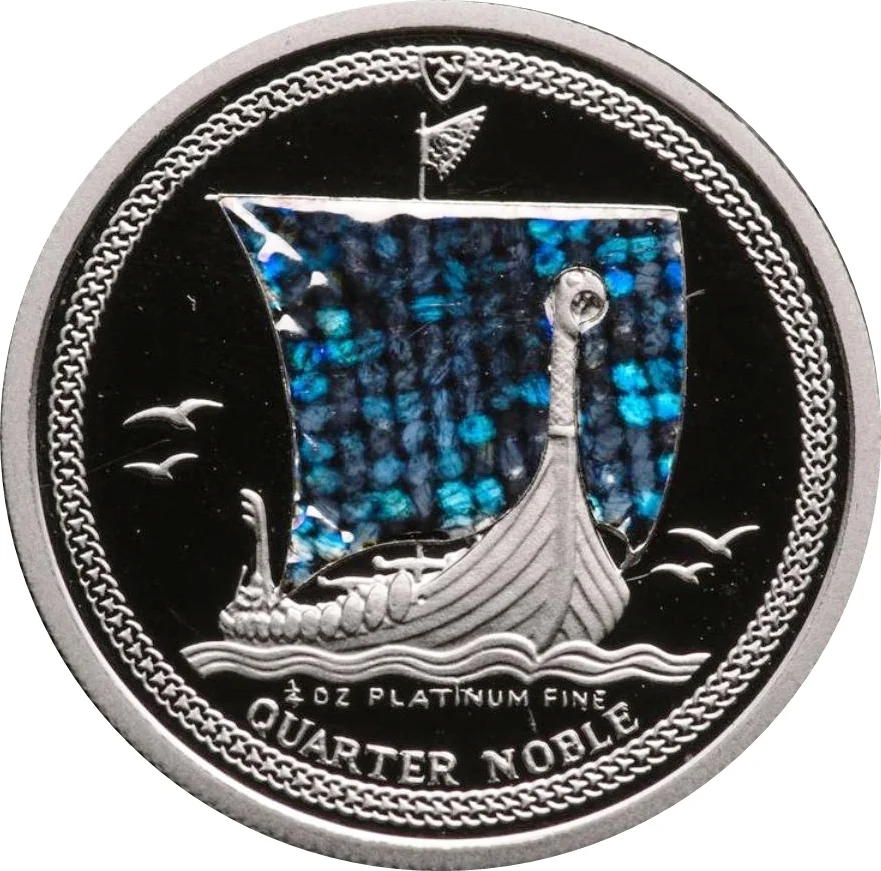
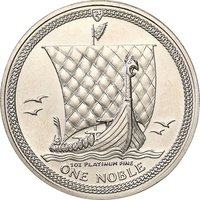
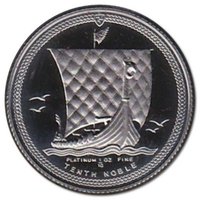
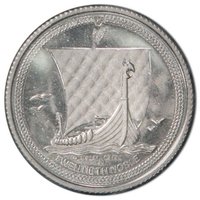
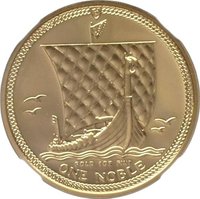
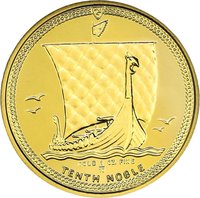
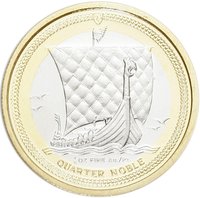
Viking ship with a holographic sail, seagulls in the sky.
Inscription:
1/4 OZ PLATINUM FINE
QUARTER NOBLE
QUARTER NOBLE
Script: Latin
Edge
Reeded
Categories
| Animal> Bird |
| Transportation> Watercraft |
Mints
| Name | Mark |
|---|---|
| Pobjoy Mint | (PM) |
Mintings
| Year | Mint Mark | Mintage | Quality | Collection |
|---|---|---|---|---|
| 1996 | PM | 10,000 | Proof |
Historical background
In 1996, the Isle of Man's currency situation was defined by its unique political status as a British Crown Dependency. While not part of the United Kingdom, the Island's long-standing monetary link was with sterling. The Manx government issued its own distinct banknotes and coins (pounds and pence), which were legal tender only on the Island. However, these formed a local issue within the wider sterling area, meaning UK currency circulated freely and was accepted at par, creating a practical two-note system on the island.
This arrangement provided stability but also highlighted a core dependency. The Manx economy had no independent monetary policy; interest rates and broader monetary conditions were effectively set by the Bank of England. The Island's financial authorities, primarily the Isle of Man Treasury, managed the local issue, ensuring full backing for Manx notes and coins with sterling reserves. This prudent practice maintained confidence and guaranteed a 1:1 exchangeability with UK currency, which was crucial for trade and tourism.
The context of 1996 was one of quiet confidence, with the established system supporting the Island's growing offshore finance sector. There was no serious debate about breaking the sterling link, as it provided economic stability and simplicity for business. The period was marked by the routine issuance of new series of Manx notes, featuring local landmarks and heritage, symbolizing a distinct national identity within the secure framework of the British pound sterling. This balance between autonomy and dependency effectively characterized the Manx currency position in the mid-1990s.
This arrangement provided stability but also highlighted a core dependency. The Manx economy had no independent monetary policy; interest rates and broader monetary conditions were effectively set by the Bank of England. The Island's financial authorities, primarily the Isle of Man Treasury, managed the local issue, ensuring full backing for Manx notes and coins with sterling reserves. This prudent practice maintained confidence and guaranteed a 1:1 exchangeability with UK currency, which was crucial for trade and tourism.
The context of 1996 was one of quiet confidence, with the established system supporting the Island's growing offshore finance sector. There was no serious debate about breaking the sterling link, as it provided economic stability and simplicity for business. The period was marked by the routine issuance of new series of Manx notes, featuring local landmarks and heritage, symbolizing a distinct national identity within the secure framework of the British pound sterling. This balance between autonomy and dependency effectively characterized the Manx currency position in the mid-1990s.
Series: Noble - RDM uncouped bust
✨ Legendary