

2 krooni (University of Tartu) – Estonia
Add to wishlist
Circulating commemorative coins
Commemoration: Tercentenary - University of Tartu
Estonia
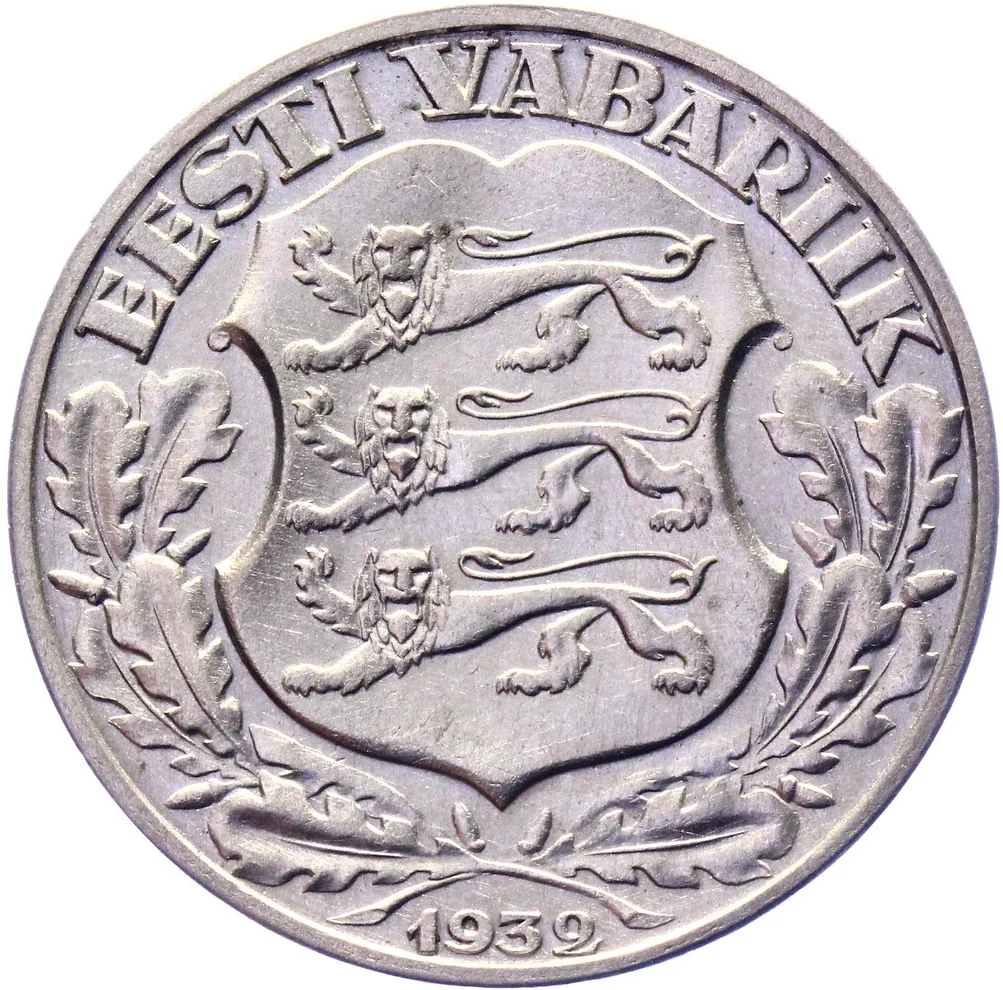
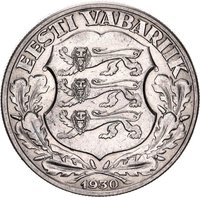
Obverse
Description:
Shield with three lions, encircled by wreath, date beneath.
Inscription:
EESTI VABARIIK
1932
1932
Translation:
REPUBLIC OF ESTONIA
1932
1932
Script: Latin
Language: Estonian
Engraver: Günther Reindorff
Reverse
Description:
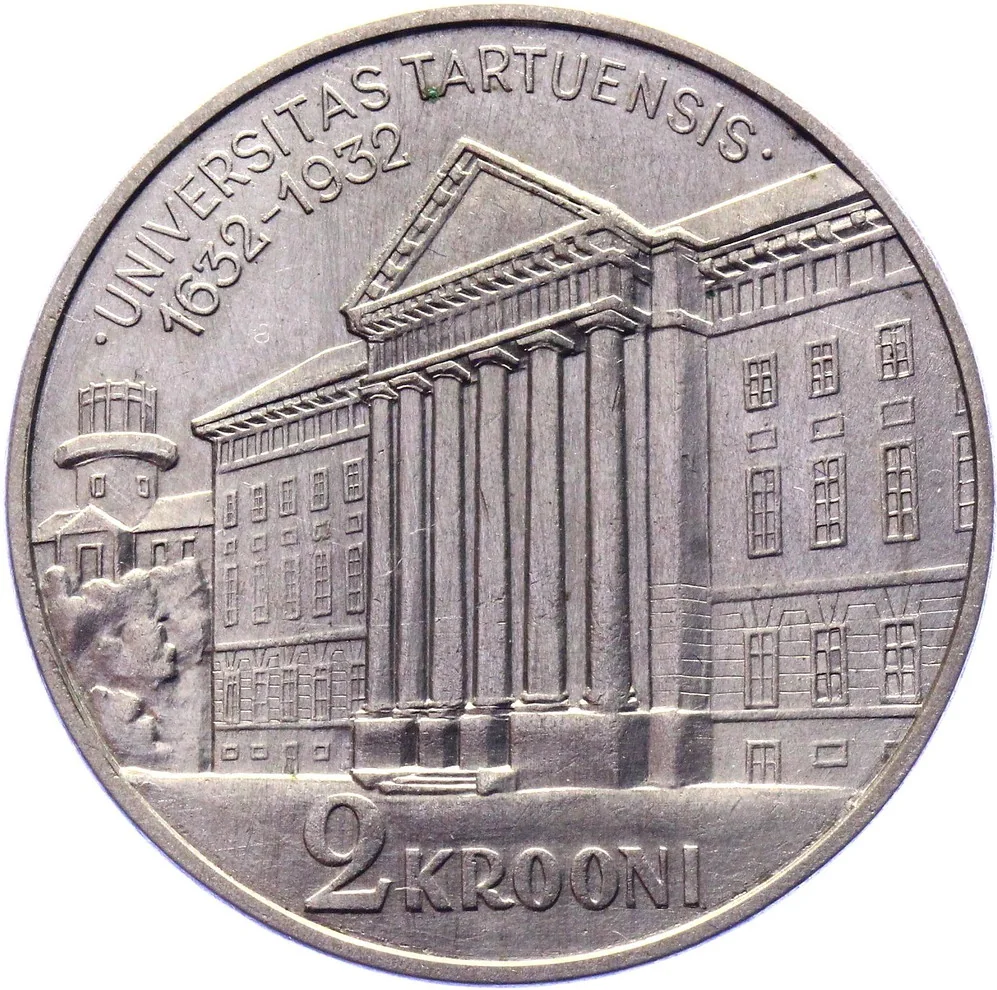
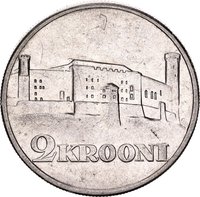
University building with denomination below.
Inscription:
UNIVERSITAS TARTUENSIS
1632-1932
2 KROONI
1632-1932
2 KROONI
Translation:
University of Tartu
2 Krooni
2 Krooni
Script: Latin
Engraver: Georg Vestenberg
Edge
Plain
Categories
| Symbols> Coat of Arms |
| Science |
| Education |
Mintings
| Year | Mint Mark | Mintage | Quality | Collection |
|---|---|---|---|---|
| 1932 | — | 101,037 |
Historical background
In 1932, Estonia, like much of the world, was in the grip of the Great Depression. The national economy was severely strained, with falling agricultural and industrial prices leading to widespread unemployment and a sharp decline in exports. This economic crisis placed immense pressure on the national currency, the Estonian kroon (EKR), which had been introduced in 1928 to replace the mark and was pegged to the Swedish krona under a gold standard system. As foreign reserves dwindled and the balance of payments worsened, maintaining this peg became increasingly unsustainable, threatening a currency crisis.
The government, led by Prime Minister Jaan Tõnisson, was forced to take drastic action. In June 1932, it implemented an "economic dictatorship," a series of emergency decrees that included a significant devaluation of the kroon. The gold content of the currency was reduced by 35%, effectively changing its peg from the Swedish krona to the British pound at a much lower rate. This move aimed to boost exports by making Estonian goods cheaper on the international market and to stem the outflow of gold and foreign currency reserves. It was a painful but necessary step to restore some degree of external balance.
The 1932 devaluation provided temporary relief but did not fully resolve Estonia's economic woes. Social and political tensions remained high, and the austerity measures associated with the economic dictatorship were unpopular. The currency situation stabilized somewhat, but the underlying fragility persisted, contributing to the political instability that would culminate in the authoritarian shift of 1934. Thus, the currency crisis of 1932 was a pivotal moment, highlighting the vulnerability of a small, export-dependent nation to global economic forces and setting the stage for the profound political changes that followed.
The government, led by Prime Minister Jaan Tõnisson, was forced to take drastic action. In June 1932, it implemented an "economic dictatorship," a series of emergency decrees that included a significant devaluation of the kroon. The gold content of the currency was reduced by 35%, effectively changing its peg from the Swedish krona to the British pound at a much lower rate. This move aimed to boost exports by making Estonian goods cheaper on the international market and to stem the outflow of gold and foreign currency reserves. It was a painful but necessary step to restore some degree of external balance.
The 1932 devaluation provided temporary relief but did not fully resolve Estonia's economic woes. Social and political tensions remained high, and the austerity measures associated with the economic dictatorship were unpopular. The currency situation stabilized somewhat, but the underlying fragility persisted, contributing to the political instability that would culminate in the authoritarian shift of 1934. Thus, the currency crisis of 1932 was a pivotal moment, highlighting the vulnerability of a small, export-dependent nation to global economic forces and setting the stage for the profound political changes that followed.
🌱 Fairly Common