

2 krooni – Estonia
Add to wishlist
Circulating commemorative coins
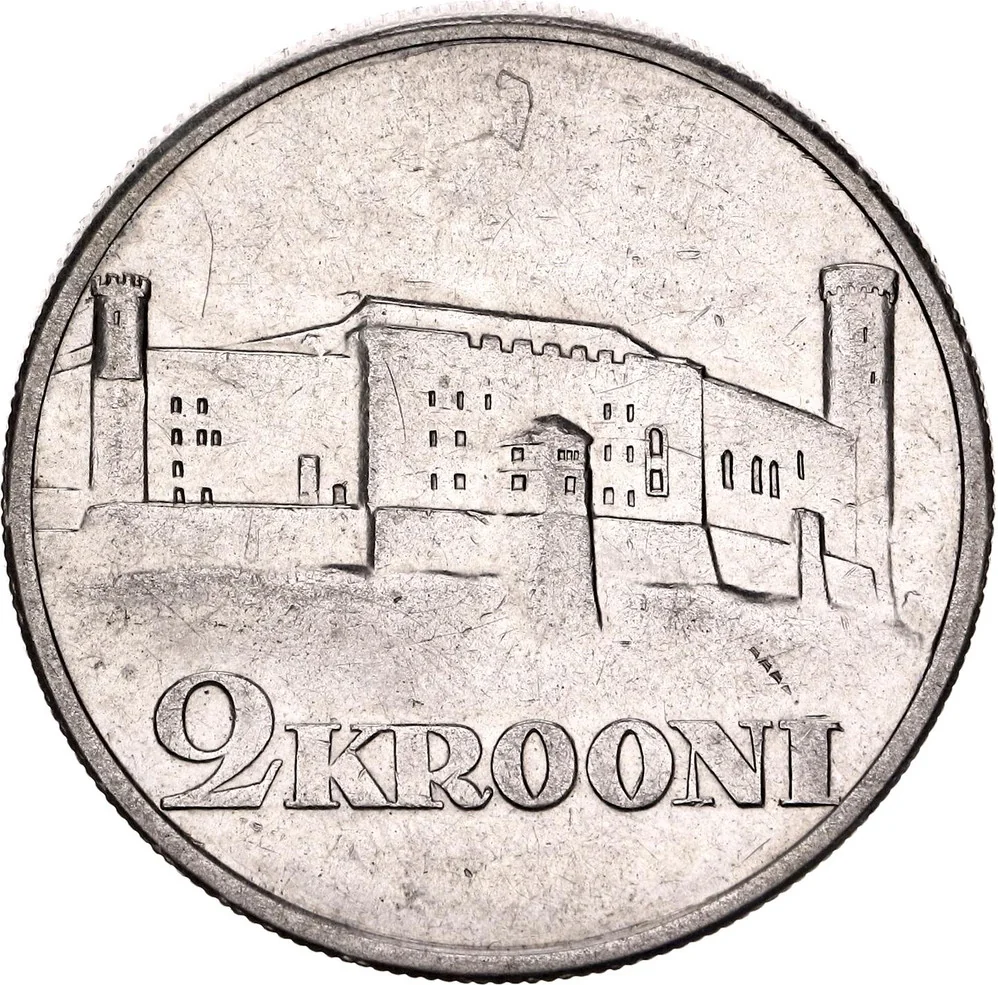
Commemoration: Toompea Fortress at Tallinn
Estonia
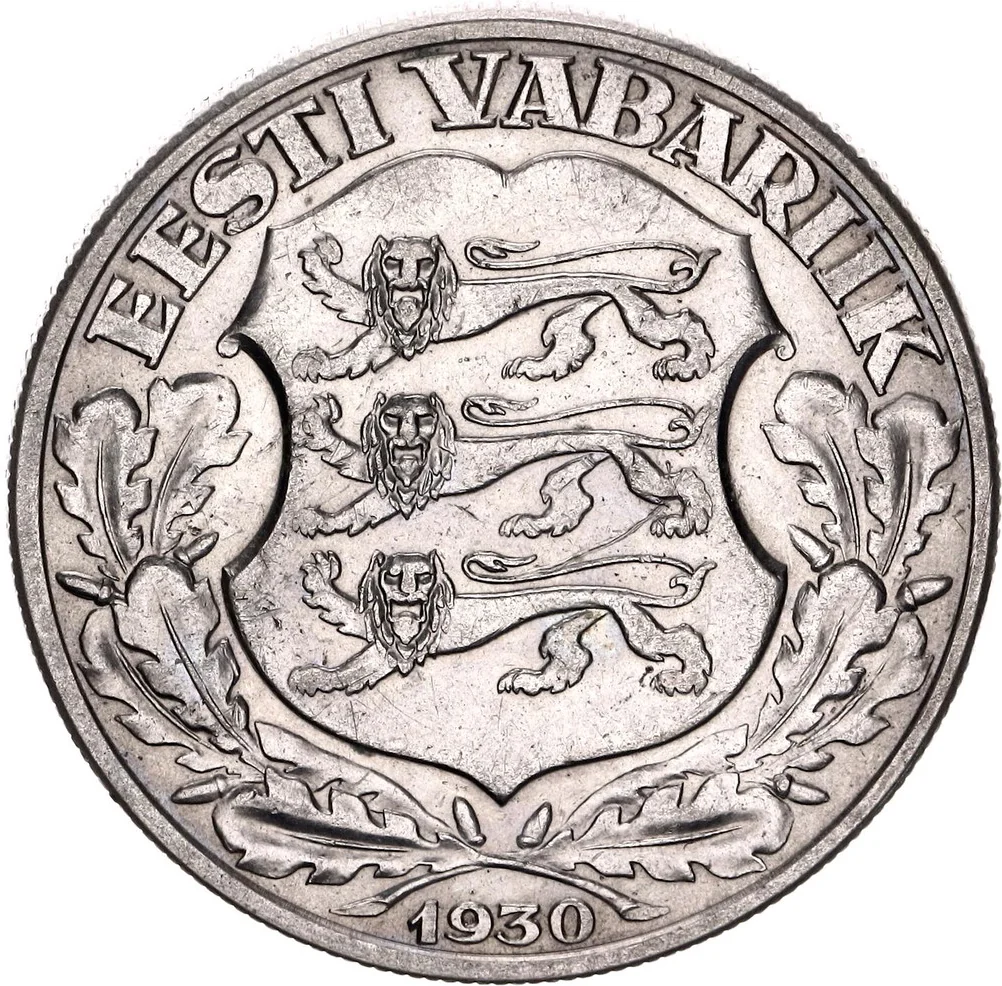
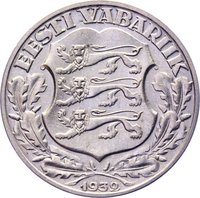
Obverse
Description:
Shield with three lions, encircled by wreath, date beneath.
Inscription:
EESTI VABARIIK
1930
1930
Translation:
Republic of Estonia
1930
1930
Script: Latin
Language: Estonian
Engraver: Günther Reindorff
Reverse
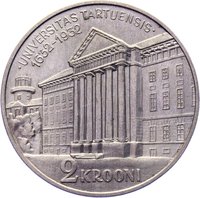
Description:
Toompea Castle, also known as:
Inscription:
2 KROONI
Script: Latin
Engraver: Günther Reindorff
Edge
Reeded
Categories
| Building> Castle or fortification |
| Symbols> Coat of Arms |
Mintings
| Year | Mint Mark | Mintage | Quality | Collection |
|---|---|---|---|---|
| 1930 | — | 1,277,459 |
Historical background
In 1930, Estonia operated under the Estonian kroon (EEK), a currency established in 1928 as part of a sweeping monetary reform. This reform, masterminded by Finance Minister Otto Strandman and backed by a substantial foreign loan, was a direct response to the hyperinflation that had crippled the previous currency, the Estonian mark. The new kroon was introduced at a fixed rate of 1 kroon = 100 old marks and, crucially, was placed on the gold standard, pegged to the Swedish krona at a rate of 1 SEK = 0.75 EEK. This provided immediate stability and restored public confidence in the national currency after a decade of severe monetary turbulence following independence.
The economy in 1930, however, was under significant strain. Estonia was heavily integrated into the global agricultural market, and the onset of the Great Depression led to a catastrophic fall in export prices for its main commodities like butter, bacon, and timber. While the currency itself remained formally stable due to its gold peg, the underlying economic reality was one of deflation and declining incomes. Farmers, who formed the backbone of the economy, faced mounting debts and bankruptcies, creating social tension and putting pressure on the banking system.
Consequently, the primary challenge of 1930 was not currency instability in a technical sense, but the severe economic deflation and rural crisis occurring within that stable monetary framework. The government maintained the gold standard peg as a cornerstone of its financial policy, but this rigid adherence limited its options for stimulating the domestic economy. The situation would worsen in the coming years, eventually forcing Estonia to follow the UK in abandoning the gold standard in 1933, devalue the kroon, and implement state intervention to manage the ongoing depression.
The economy in 1930, however, was under significant strain. Estonia was heavily integrated into the global agricultural market, and the onset of the Great Depression led to a catastrophic fall in export prices for its main commodities like butter, bacon, and timber. While the currency itself remained formally stable due to its gold peg, the underlying economic reality was one of deflation and declining incomes. Farmers, who formed the backbone of the economy, faced mounting debts and bankruptcies, creating social tension and putting pressure on the banking system.
Consequently, the primary challenge of 1930 was not currency instability in a technical sense, but the severe economic deflation and rural crisis occurring within that stable monetary framework. The government maintained the gold standard peg as a cornerstone of its financial policy, but this rigid adherence limited its options for stimulating the domestic economy. The situation would worsen in the coming years, eventually forcing Estonia to follow the UK in abandoning the gold standard in 1933, devalue the kroon, and implement state intervention to manage the ongoing depression.
🌱 Common