

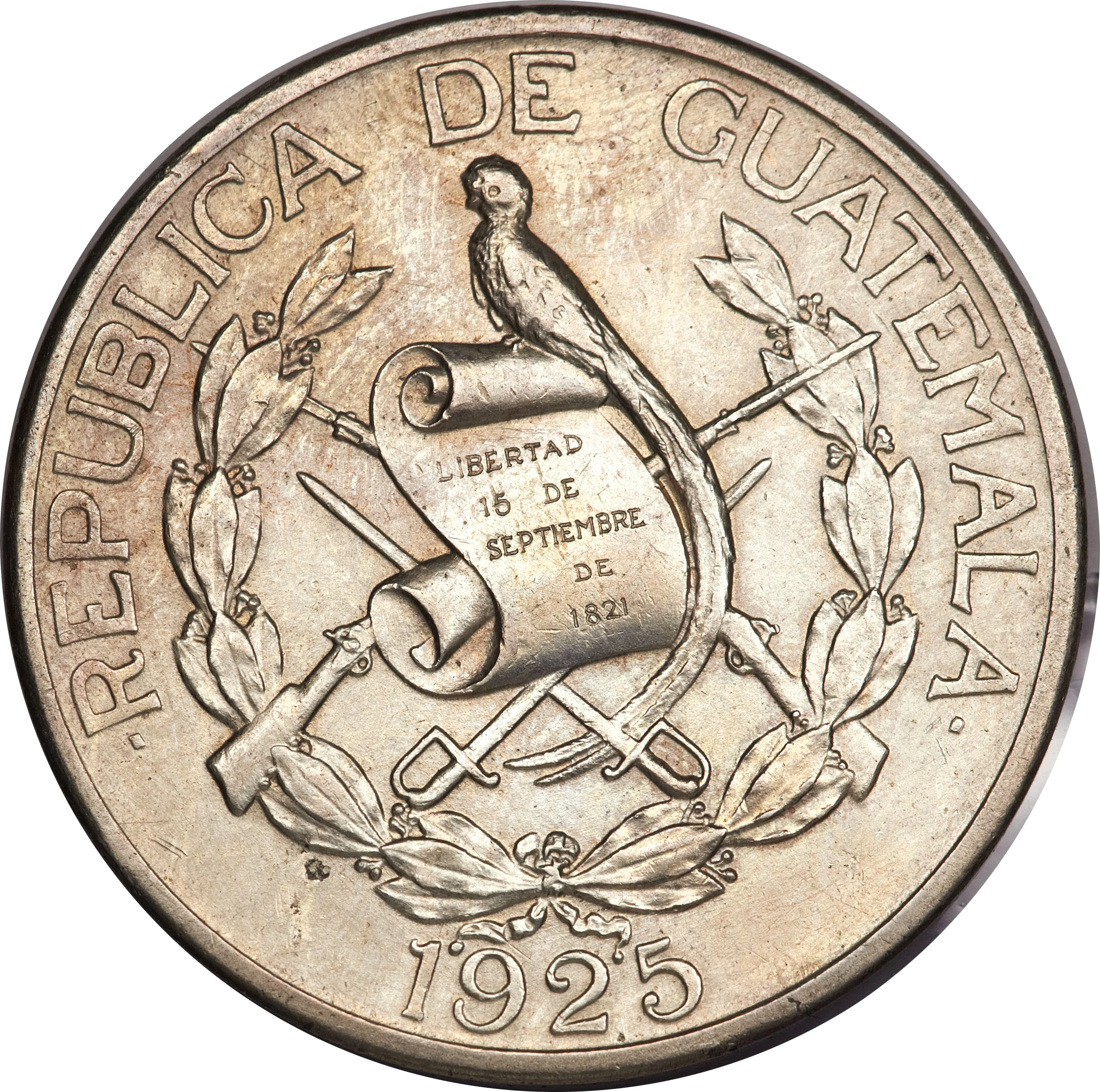
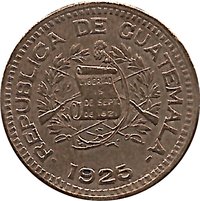
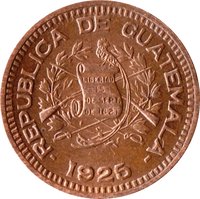
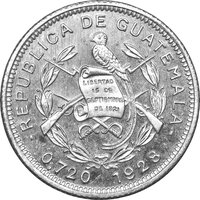
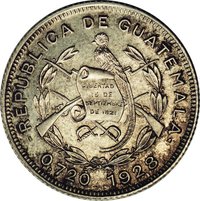
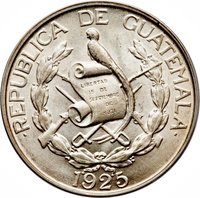
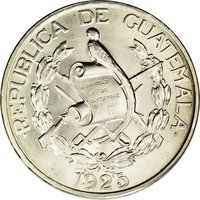
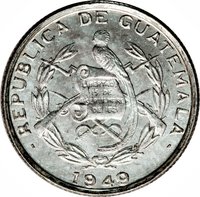
Obverse
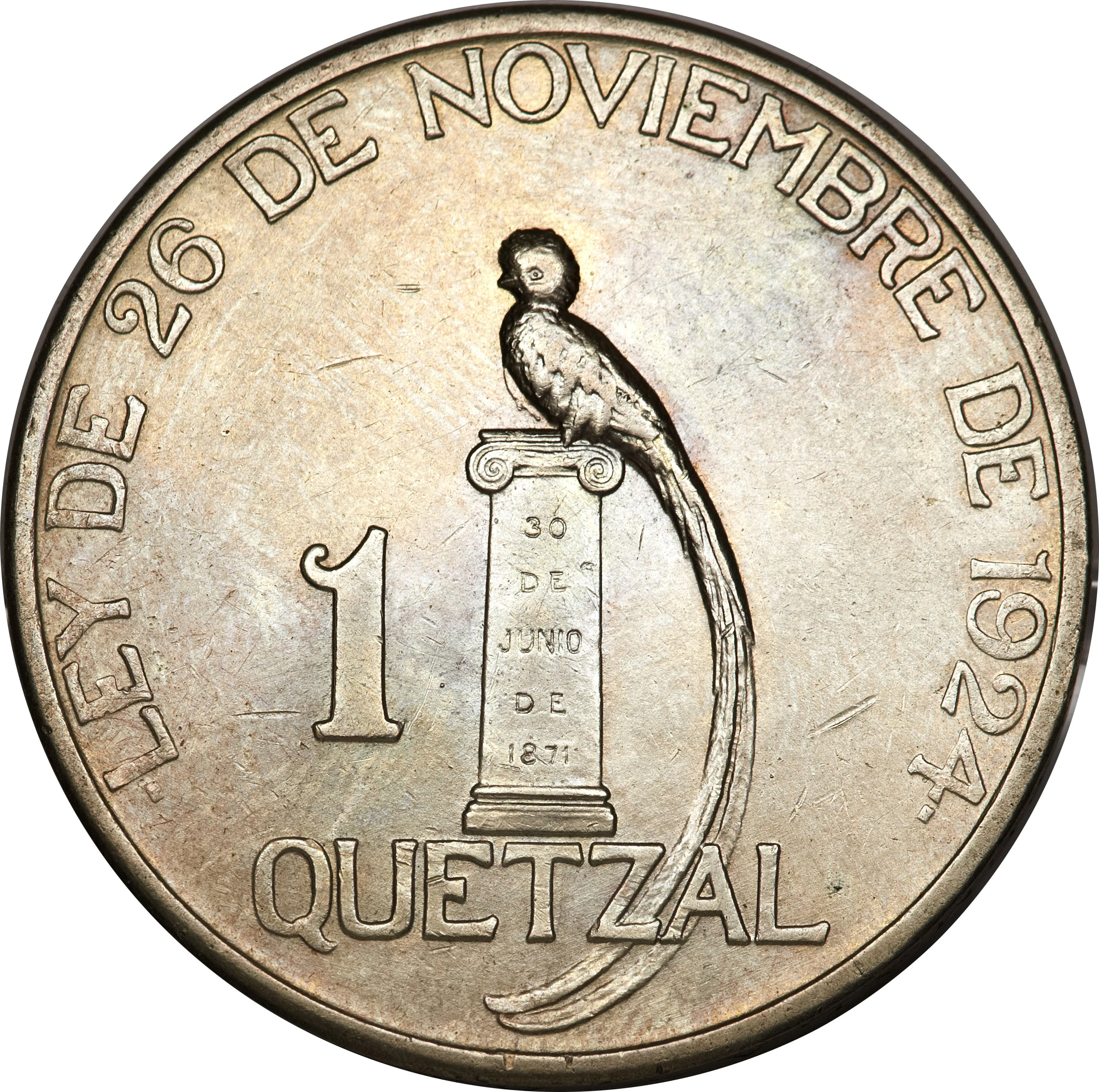
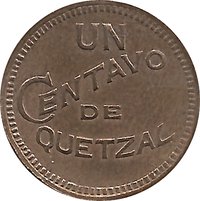
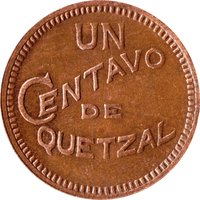
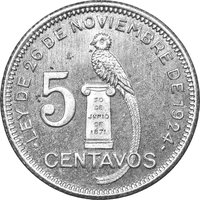
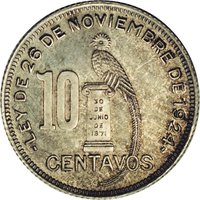
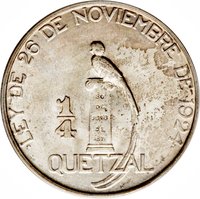
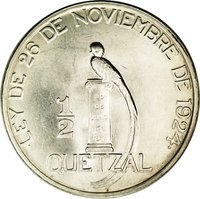
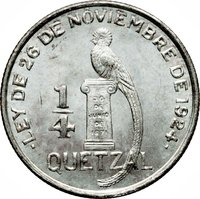
Reverse
Edge
Categories
| Animal> Bird |
| Symbols> Coat of Arms |
Mints
| Name | Mark |
|---|---|
| United States Mint of Philadelphia | — |
Mintings
| Year | Mint Mark | Mintage | Quality | Collection |
|---|---|---|---|---|
| 1925 | — | 10,000 |
Historical background
In 1925, Guatemala’s currency situation was defined by a pivotal transition from the silver peso to the gold standard, a move driven by global economic pressures and domestic monetary instability. Since the late 19th century, the nation had used the silver peso, but its value fluctuated wildly with international silver prices, particularly after World War I. This volatility created uncertainty for foreign investment and trade, hindering the economic ambitions of the dictatorial regime of President José María Orozco and his predecessors, who sought closer integration with the U.S. and European financial systems.
The decisive shift came with the Monetary Law of November 1924, which took full effect in 1925. This law established the gold standard, making the new unit of currency the quetzal, named after the national bird and pegged at parity with the United States dollar. The quetzal was subdivided into 100 centavos, and the Banco Central de Guatemala was granted exclusive rights of issuance. The transition was carefully managed, with old silver pesos exchanged for quetzales, and U.S. gold coins even declared legal tender within the country to bolster confidence during the changeover.
This reform was largely successful in achieving its immediate goals. It stabilized the exchange rate, curtailed inflation, and provided a predictable framework for the crucial coffee-export economy. However, its benefits were closely tied to the health of the global gold standard itself, which would face severe strain just a few years later during the Great Depression. Thus, while 1925 marked a moment of hard-won monetary stability and modernization for Guatemala, it also anchored the nation’s currency to an international system on the brink of crisis.
The decisive shift came with the Monetary Law of November 1924, which took full effect in 1925. This law established the gold standard, making the new unit of currency the quetzal, named after the national bird and pegged at parity with the United States dollar. The quetzal was subdivided into 100 centavos, and the Banco Central de Guatemala was granted exclusive rights of issuance. The transition was carefully managed, with old silver pesos exchanged for quetzales, and U.S. gold coins even declared legal tender within the country to bolster confidence during the changeover.
This reform was largely successful in achieving its immediate goals. It stabilized the exchange rate, curtailed inflation, and provided a predictable framework for the crucial coffee-export economy. However, its benefits were closely tied to the health of the global gold standard itself, which would face severe strain just a few years later during the Great Depression. Thus, while 1925 marked a moment of hard-won monetary stability and modernization for Guatemala, it also anchored the nation’s currency to an international system on the brink of crisis.
Series: System: 1925-1949
💎 Extremely Rare