

7½ Euro – Portugal
Circulating commemorative coins
Commemoration: Portuguese architecture series - Álvaro Siza
Series: Portuguese Architecture
Portugal
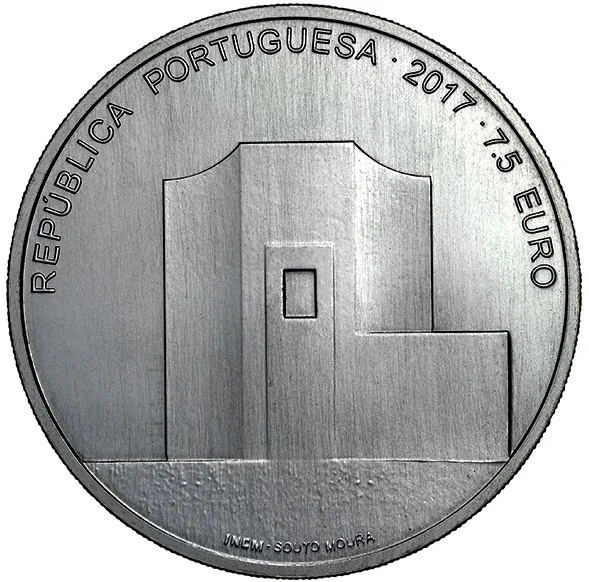
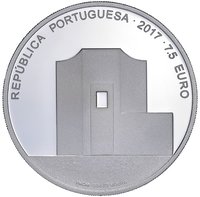
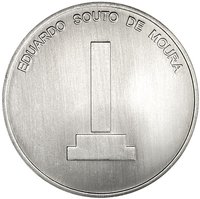
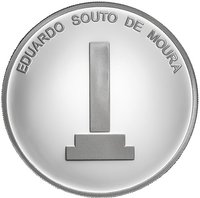
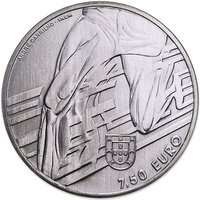
Obverse
Inscription:
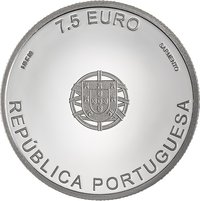
REPÚBLICA PORTUGUESA · 2017 7.5 EURO
INCM - SOUTO MOURA
INCM - SOUTO MOURA
Translation:
PORTUGUESE REPUBLIC · 2017 7.5 EURO
INCM - SOUTO MOURA
INCM - SOUTO MOURA
Script: Latin
Language: Portuguese
Engraver: Eduardo Souto de Moura
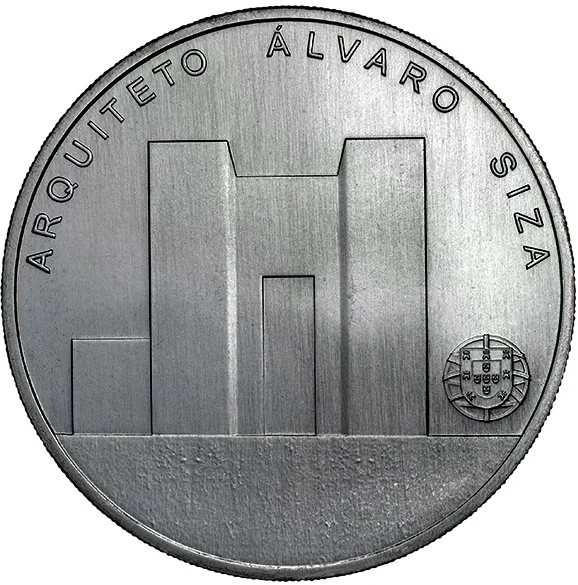
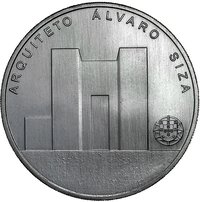
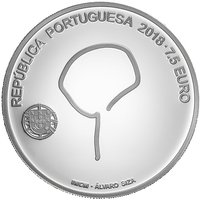
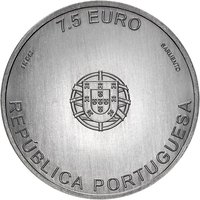
Reverse
Inscription:
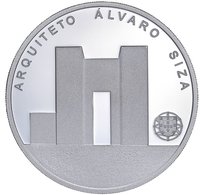
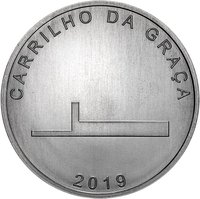
ARQUITETO ÁLVARO SIZA
Translation:
Architect Álvaro Siza
Script: Latin
Language: Portuguese
Engraver: Eduardo Souto de Moura
Edge
Categories
| Symbols> Coat of Arms |
| Person> Artist |
Mints
| Name | Mark |
|---|---|
| Imprensa Nacional - Casa da Moeda | INCM |
Mintings
| Year | Mint Mark | Mintage | Quality | Collection |
|---|---|---|---|---|
| 2017 | INCM | 41,000 |
Historical background
In 2017, Portugal's currency situation was defined by its continued use of the euro as a member of the Eurozone, a status it has held since 1999. The country had emerged from a severe sovereign debt crisis and a three-year international bailout program (2011-2014), which had imposed strict austerity measures. By 2017, the economy was in a phase of steady, albeit modest, recovery, with growing GDP, falling unemployment, and a primary budget surplus. The European Central Bank's (ECB) accommodative monetary policy, including historically low interest rates and quantitative easing, provided a supportive environment for this recovery by keeping borrowing costs low for the Portuguese government and businesses.
The primary currency-related challenges in 2017 were not about the physical currency itself but about managing the legacies of the crisis within the euro framework. Key concerns included reducing the high public debt-to-GDP ratio (which remained around 125%), addressing non-performing loans in the banking sector, and fostering sustainable economic growth to improve competitiveness. The euro's strength during this period had a dual effect: it provided stability and lowered import costs but also posed challenges for export competitiveness relative to non-euro trading partners.
Overall, 2017 represented a period of consolidation for Portugal within the Eurozone. The focus was on using the stability provided by the common currency to solidify fiscal discipline and implement structural reforms, rather than on any debate about leaving the euro. The successful issuance of government bonds at low yields signaled returning market confidence in Portugal's economic management under the euro regime, marking a significant turnaround from the peak of its debt crisis.
The primary currency-related challenges in 2017 were not about the physical currency itself but about managing the legacies of the crisis within the euro framework. Key concerns included reducing the high public debt-to-GDP ratio (which remained around 125%), addressing non-performing loans in the banking sector, and fostering sustainable economic growth to improve competitiveness. The euro's strength during this period had a dual effect: it provided stability and lowered import costs but also posed challenges for export competitiveness relative to non-euro trading partners.
Overall, 2017 represented a period of consolidation for Portugal within the Eurozone. The focus was on using the stability provided by the common currency to solidify fiscal discipline and implement structural reforms, rather than on any debate about leaving the euro. The successful issuance of government bonds at low yields signaled returning market confidence in Portugal's economic management under the euro regime, marking a significant turnaround from the peak of its debt crisis.
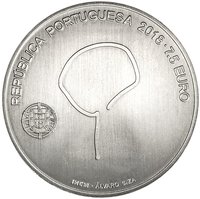
Series: Portuguese Architecture
🌱 Fairly Common