

7½ euro – Portugal
Add to wishlist
Circulating commemorative coins
Commemoration: João Luís Carrilho da Graça
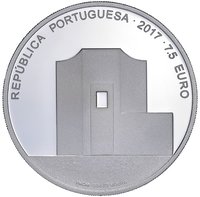
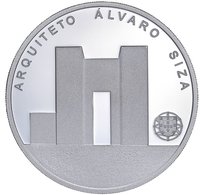
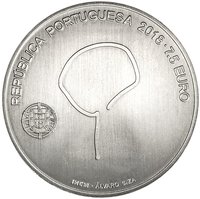
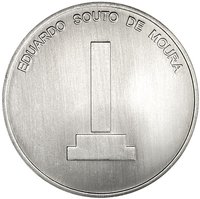
Series: Portuguese Architecture
Portugal
Obverse
Description:
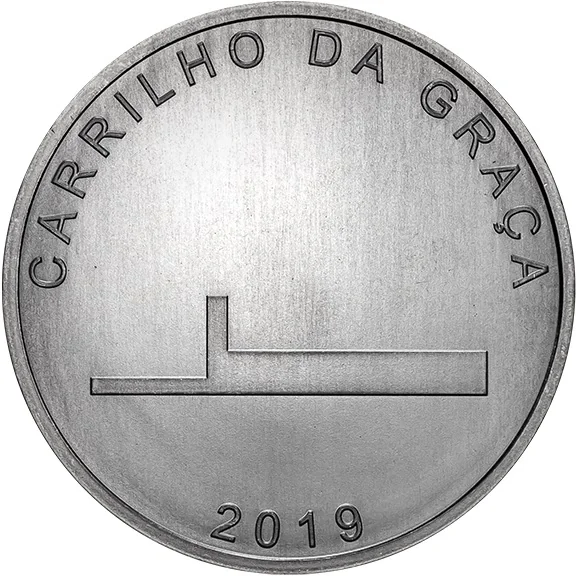
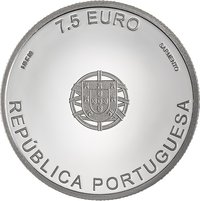
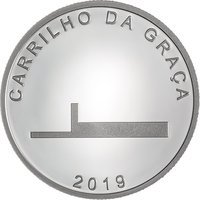
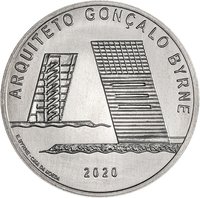
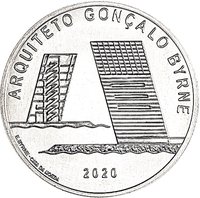
This coin honors architect João Luís Carrilho da Graça, known for works like Lisbon's Cruise Terminal. Designed by artist Julião Sarmento, its reverse features a refined depiction of Carrilho da Graça's Escola Superior de Comunicação Social de Lisboa, a 1992 International Association of Art Critics Prize winner.
Inscription:
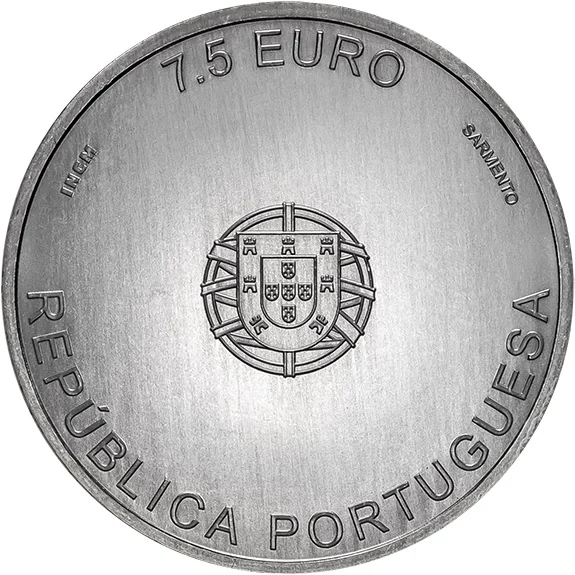
INCM 7.5 EURO SARMENTO
REPÚBLICA PORTUGUESA
REPÚBLICA PORTUGUESA
Translation:
Portuguese Republic
SARMENTO 7.5 Euro
Portuguese Mint and Official Printing Office (INCM)
SARMENTO 7.5 Euro
Portuguese Mint and Official Printing Office (INCM)
Script: Latin
Languages: Latin, Portuguese
Engraver: Juliãno Sarmento
Reverse
Description:
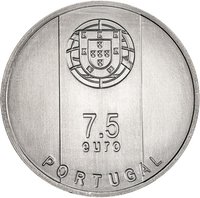
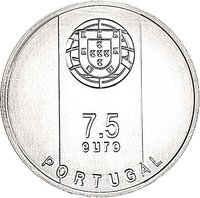
Portugal's coat of arms, value above, country name below.
Inscription:
CARRILHO DA GRAÇA
2019
2019
Translation:
CARRILHO DA GRAÇA
2019
2019
Script: Latin
Language: Portuguese
Engraver: Juliãno Sarmento
Edge
Categories
| Symbols> Coat of Arms |
| Person> Artist |
Mints
| Name | Mark |
|---|---|
| Imprensa Nacional - Casa da Moeda | INCM |
Mintings
| Year | Mint Mark | Mintage | Quality | Collection |
|---|---|---|---|---|
| 2019 | INCM | 25,000 |
Historical background
In 2019, Portugal's currency situation was defined by its continued and stable membership in the Eurozone, using the euro (€) as its sole legal tender. Having adopted the currency in 1999 (with notes and coins introduced in 2002), the euro was by this time deeply embedded in the national economy. This membership provided significant benefits, including monetary stability, low inflation, and elimination of exchange rate risk within the Eurozone, which was crucial for a country heavily reliant on tourism and foreign investment. The European Central Bank (ECB) set monetary policy for Portugal, meaning Lisbon had no independent control over interest rates or money supply.
The broader context, however, was one of post-austerity recovery. Portugal had successfully exited its international bailout program in 2014 and by 2019 was experiencing steady, though modest, economic growth. Public debt remained high but was on a declining trajectory, and the government was running a budget surplus. The stable euro provided a foundation for this recovery, fostering investor confidence and facilitating trade. Domestically, there was little mainstream political debate about leaving the euro, as "Grexit" fears from earlier in the decade had subsided and the currency was widely seen as integral to Portugal's modern economic identity.
Nevertheless, some underlying challenges persisted. As a southern European member, Portugal had no mechanism to devalue its currency to boost competitiveness, relying instead on internal devaluation (wage restraint and structural reforms). Furthermore, the one-size-fits-all ECB policy sometimes did not perfectly align with Portugal's specific economic cycle needs. Overall, 2019 represented a period of normalization and consolidation for Portugal within the Eurozone framework, with the currency situation marked by stability and a focus on sustaining fiscal discipline within the single currency area.
The broader context, however, was one of post-austerity recovery. Portugal had successfully exited its international bailout program in 2014 and by 2019 was experiencing steady, though modest, economic growth. Public debt remained high but was on a declining trajectory, and the government was running a budget surplus. The stable euro provided a foundation for this recovery, fostering investor confidence and facilitating trade. Domestically, there was little mainstream political debate about leaving the euro, as "Grexit" fears from earlier in the decade had subsided and the currency was widely seen as integral to Portugal's modern economic identity.
Nevertheless, some underlying challenges persisted. As a southern European member, Portugal had no mechanism to devalue its currency to boost competitiveness, relying instead on internal devaluation (wage restraint and structural reforms). Furthermore, the one-size-fits-all ECB policy sometimes did not perfectly align with Portugal's specific economic cycle needs. Overall, 2019 represented a period of normalization and consolidation for Portugal within the Eurozone framework, with the currency situation marked by stability and a focus on sustaining fiscal discipline within the single currency area.
Series: Portuguese Architecture

🌟 Uncommon