

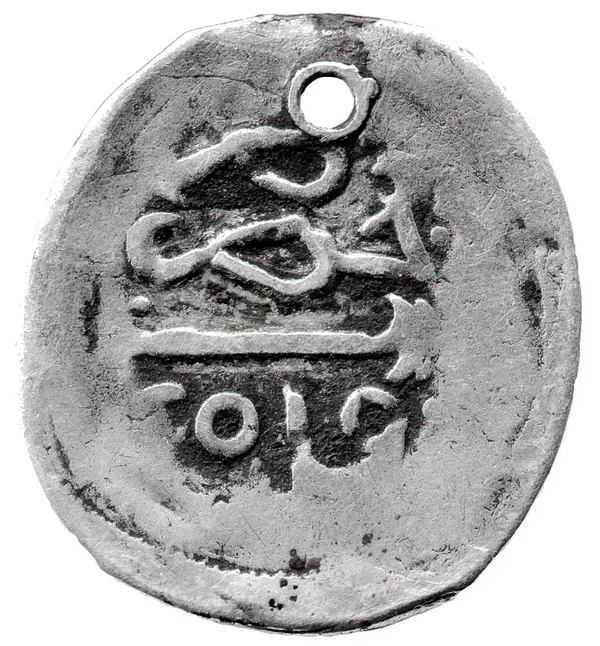
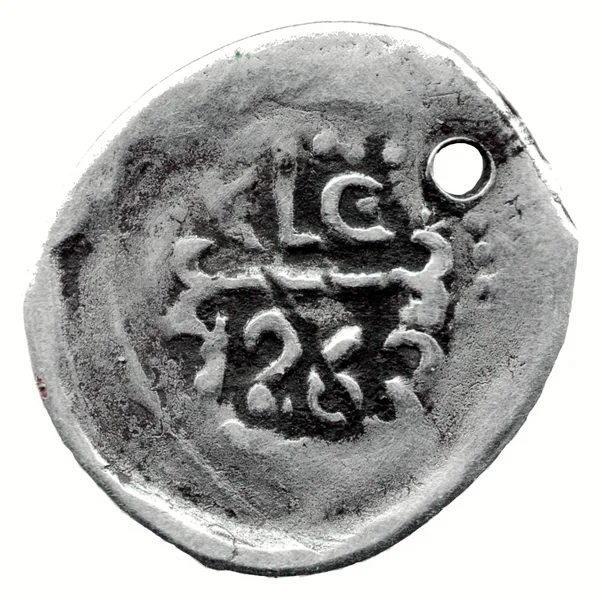
1 dirham – Morocco
Add to wishlist
Morocco
Context
Years: 1845–1852
Issuer: Morocco
Ruler: Moulay ‘Abd al-Rahman
Currency:
(1659—1882)
Demonetized: Yes
References
Numista: #157150
Value
Bullion value: $3.73
Mintings
| Year | Mint Mark | Mintage | Quality | Collection |
|---|---|---|---|---|
| 1845 | — | — | ||
| 1846 | — | — | ||
| 1847 | — | — | ||
| 1848 | — | — | ||
| 1849 | — | — | ||
| 1850 | — | — | ||
| 1851 | — | — | ||
| 1852 | — | — |
Historical background
In 1845, Morocco's currency situation was characterized by a complex and fragmented system, reflecting the country's political decentralization and limited integration into the global economy. The primary circulating coin was the silver dirham, but its weight and purity varied significantly between regions and even between different mints, leading to chronic instability. Alongside these, a multitude of foreign coins circulated widely, most notably the Spanish silver peseta and the British gold sovereign, which were often preferred for larger transactions due to their reliability. This monetary pluralism created a challenging environment for trade, requiring constant evaluation and exchange of disparate coins.
The root of this instability lay with the Alawite dynasty, specifically Sultan Abd al-Rahman, whose government struggled with fiscal pressures and a weak central treasury. The state's inability to control minting or enforce a uniform standard meant that debasement—reducing the silver content of coins to generate short-term revenue—was a recurring problem. This practice eroded public trust in the official currency and encouraged the hoarding of purer foreign coins, further weakening the domestic monetary system. The economy remained largely based on subsistence agriculture and traditional crafts, with long-distance trade heavily reliant on the more trusted foreign specie.
This fragmented monetary landscape was increasingly pressured by European commercial and diplomatic influence. By the mid-19th century, European merchants and diplomats, backed by their governments, were advocating for monetary reforms to facilitate trade and debt repayment. The 1845 period thus represents a late stage of Morocco's traditional monetary order, still functioning but under growing strain. It would be decades later, following further financial crises and European intervention, that Sultan Hassan I would initiate serious currency reforms in the 1880s, moving toward a more unified and modern system.
The root of this instability lay with the Alawite dynasty, specifically Sultan Abd al-Rahman, whose government struggled with fiscal pressures and a weak central treasury. The state's inability to control minting or enforce a uniform standard meant that debasement—reducing the silver content of coins to generate short-term revenue—was a recurring problem. This practice eroded public trust in the official currency and encouraged the hoarding of purer foreign coins, further weakening the domestic monetary system. The economy remained largely based on subsistence agriculture and traditional crafts, with long-distance trade heavily reliant on the more trusted foreign specie.
This fragmented monetary landscape was increasingly pressured by European commercial and diplomatic influence. By the mid-19th century, European merchants and diplomats, backed by their governments, were advocating for monetary reforms to facilitate trade and debt repayment. The 1845 period thus represents a late stage of Morocco's traditional monetary order, still functioning but under growing strain. It would be decades later, following further financial crises and European intervention, that Sultan Hassan I would initiate serious currency reforms in the 1880s, moving toward a more unified and modern system.

✨ Legendary