

1 dirham – Morocco
Add to wishlist
Morocco
Context
Years: 1846–1852
Issuer: Morocco
Ruler: Moulay ‘Abd al-Rahman
Currency:
(1659—1882)
Demonetized: Yes
References
Numista: #157152
Value
Bullion value: $3.74
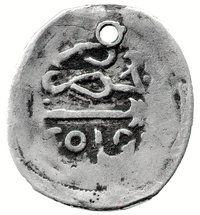
Obverse
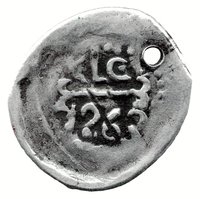
Reverse
Edge
Mintings
| Year | Mint Mark | Mintage | Quality | Collection |
|---|---|---|---|---|
| 1846 | — | — | ||
| 1847 | — | — | ||
| 1851 | — | — | ||
| 1852 | — | — |
Historical background
In 1846, Morocco’s currency situation was characterized by profound monetary disorder and fragmentation, a direct legacy of its political and economic marginalization. The country operated without a unified national coinage. Instead, a complex and unstable system of disparate currencies circulated simultaneously, including a debased silver dirham minted in various cities with inconsistent weight and purity, a gold benduqi (or mithqal), and a plethora of foreign coins. Spanish duros (pesetas), French francs, and especially British and Spanish silver coins from trade in Gibraltar and other ports were dominant in commerce, creating a de facto foreign monetary standard that the weakened Makhzen (central government) could not control.
This monetary chaos was both a symptom and a cause of severe economic strain. Sultan Abd al-Rahman’s reign (1822-1859) was marked by military defeats, heavy indemnities to European powers, and a sharp decline in traditional trans-Saharan trade. To finance state expenses, the government repeatedly resorted to debasing the silver coinage by reducing its silver content, a practice known as ta’fīsh. This led to rampant inflation, a collapse in public trust in the currency, and the Gresham’s Law phenomenon where "bad money drives out good," as people hoarded full-weight foreign coins. The situation crippled domestic trade and made the treasury increasingly dependent on unpredictable customs revenues from a few Atlantic ports.
The currency crisis of 1846 was thus a critical juncture, highlighting Morocco’s vulnerability to European economic pressure and its own internal fiscal weakness. While the Sultanate attempted occasional reforms, such as minting new coins to restore confidence, these were largely ineffective without broader fiscal and political stability. The fragmented monetary landscape would persist for decades, only to be systematically addressed under European influence during the financial crises and reforms leading up to the French and Spanish protectorates in the early 20th century.
This monetary chaos was both a symptom and a cause of severe economic strain. Sultan Abd al-Rahman’s reign (1822-1859) was marked by military defeats, heavy indemnities to European powers, and a sharp decline in traditional trans-Saharan trade. To finance state expenses, the government repeatedly resorted to debasing the silver coinage by reducing its silver content, a practice known as ta’fīsh. This led to rampant inflation, a collapse in public trust in the currency, and the Gresham’s Law phenomenon where "bad money drives out good," as people hoarded full-weight foreign coins. The situation crippled domestic trade and made the treasury increasingly dependent on unpredictable customs revenues from a few Atlantic ports.
The currency crisis of 1846 was thus a critical juncture, highlighting Morocco’s vulnerability to European economic pressure and its own internal fiscal weakness. While the Sultanate attempted occasional reforms, such as minting new coins to restore confidence, these were largely ineffective without broader fiscal and political stability. The fragmented monetary landscape would persist for decades, only to be systematically addressed under European influence during the financial crises and reforms leading up to the French and Spanish protectorates in the early 20th century.

✨ Legendary