

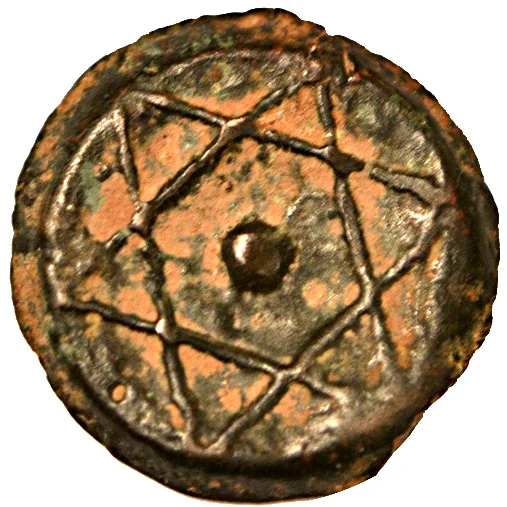
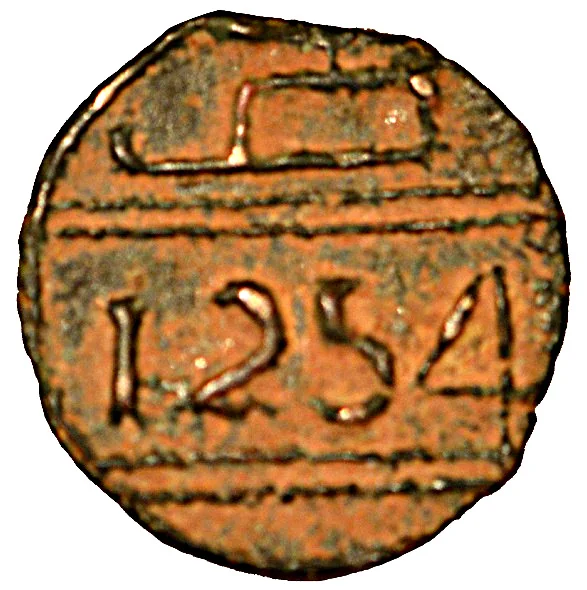
1 falus – Morocco
Add to wishlist
Morocco
Context
Years: 1837–1842
Issuer: Morocco
Ruler: Moulay ‘Abd al-Rahman
Currency:
(1659—1882)
Demonetized: Yes
Material
Diameter: 20 mm
Weight: 4.7 g
Shape: Irregular round
Composition: Bronze
Magnetic: No
Alignment: Coin alignment
flip
References
Numista: #28680
Obverse
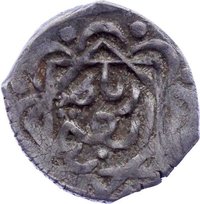
Description:
Solomon's Seal
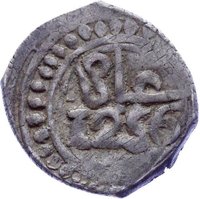
Reverse
Edge
Beveled
Mintings
| Year | Mint Mark | Mintage | Quality | Collection |
|---|---|---|---|---|
| 1837 | — | — | ||
| 1838 | — | — | ||
| 1838 | — | — | ||
| 1839 | — | — | ||
| 1840 | — | — | ||
| 1842 | — | — |
Historical background
In 1837, the currency situation in the Moroccan Empire under Sultan Abd al-Rahman was characterized by a complex and fragmented system, a legacy of centuries of trade across the Sahara, the Mediterranean, and the Atlantic. The primary unit was the silver dirham, but its weight and purity were not standardized, leading to significant regional variations. Alongside these, a multitude of foreign coins circulated freely, most notably the Spanish silver real (known as the riyal), the British gold sovereign, and the Ottoman benduqi. This monetary pluralism reflected Morocco's position as a commercial crossroads but created chronic instability for both state finances and daily transactions.
The Sultanate’s fiscal woes, exacerbated by military defeats and costly treaties with European powers, directly impacted the currency. A severe shortage of silver, the lifeblood of the economy, plagued the mints. This was caused by a negative balance of trade, as imports from Europe drained bullion out of the country, while traditional Saharan gold supplies from the south had become unreliable. Consequently, the government frequently resorted to debasement—reducing the silver content in newly minted dirhams to stretch reserves. This practice eroded public trust, causing older, purer coins to be hoarded (Gresham's Law in action) and further destabilizing the market.
This monetary disorder presented a significant obstacle to the central authority of the Makhzen (the state) and to economic modernization. The lack of a uniform national currency complicated tax collection, hindered domestic trade, and made Morocco vulnerable to external economic pressures. European merchants and diplomats increasingly agitated for monetary reform to facilitate their commercial interests. Thus, by 1837, the currency crisis was not merely a financial issue but a symbol of the broader challenges facing the Moroccan state as it navigated the encroaching influence of European colonial powers and struggled to maintain its sovereignty and economic independence.
The Sultanate’s fiscal woes, exacerbated by military defeats and costly treaties with European powers, directly impacted the currency. A severe shortage of silver, the lifeblood of the economy, plagued the mints. This was caused by a negative balance of trade, as imports from Europe drained bullion out of the country, while traditional Saharan gold supplies from the south had become unreliable. Consequently, the government frequently resorted to debasement—reducing the silver content in newly minted dirhams to stretch reserves. This practice eroded public trust, causing older, purer coins to be hoarded (Gresham's Law in action) and further destabilizing the market.
This monetary disorder presented a significant obstacle to the central authority of the Makhzen (the state) and to economic modernization. The lack of a uniform national currency complicated tax collection, hindered domestic trade, and made Morocco vulnerable to external economic pressures. European merchants and diplomats increasingly agitated for monetary reform to facilitate their commercial interests. Thus, by 1837, the currency crisis was not merely a financial issue but a symbol of the broader challenges facing the Moroccan state as it navigated the encroaching influence of European colonial powers and struggled to maintain its sovereignty and economic independence.

💎 Very Rare