

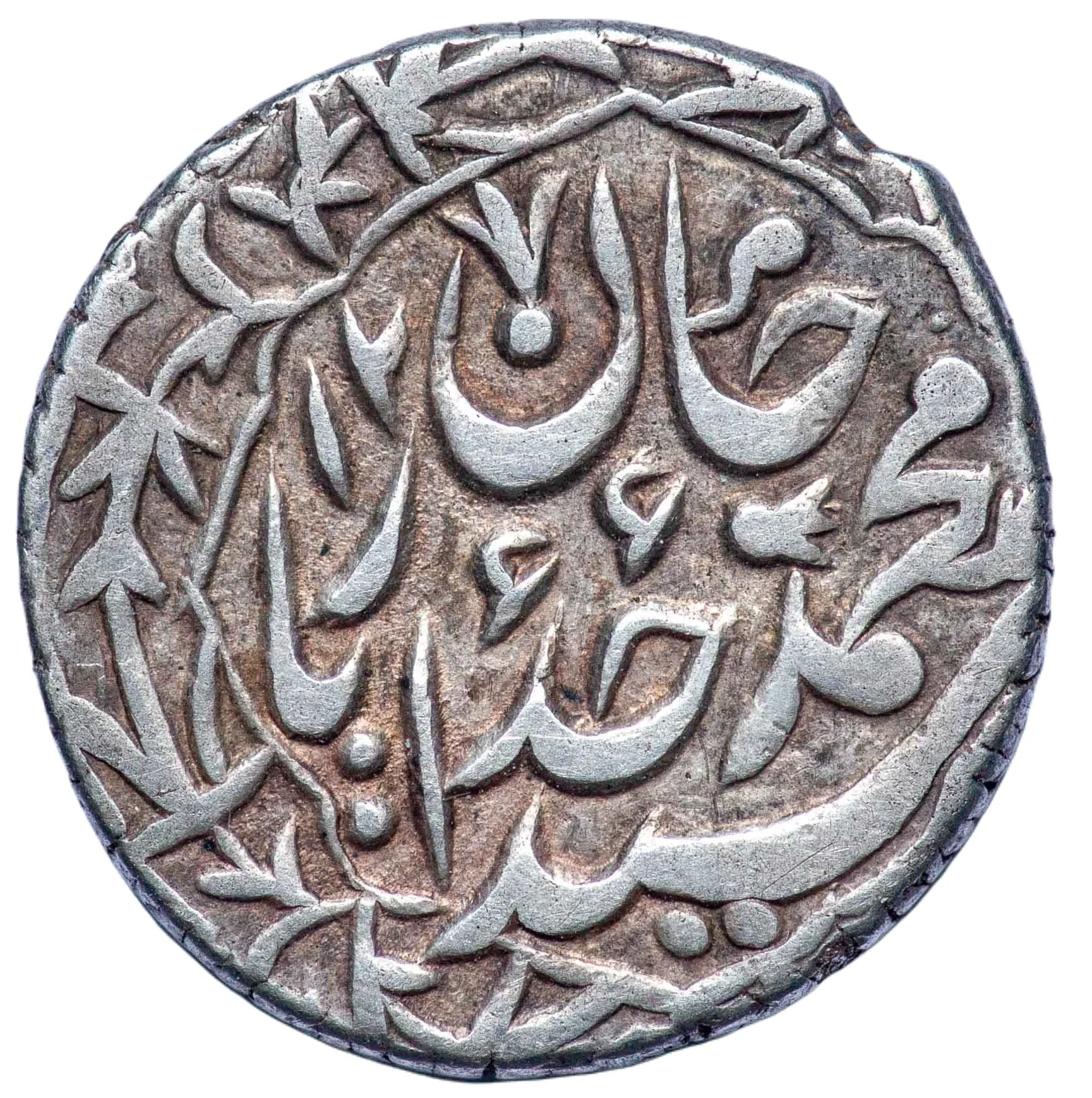
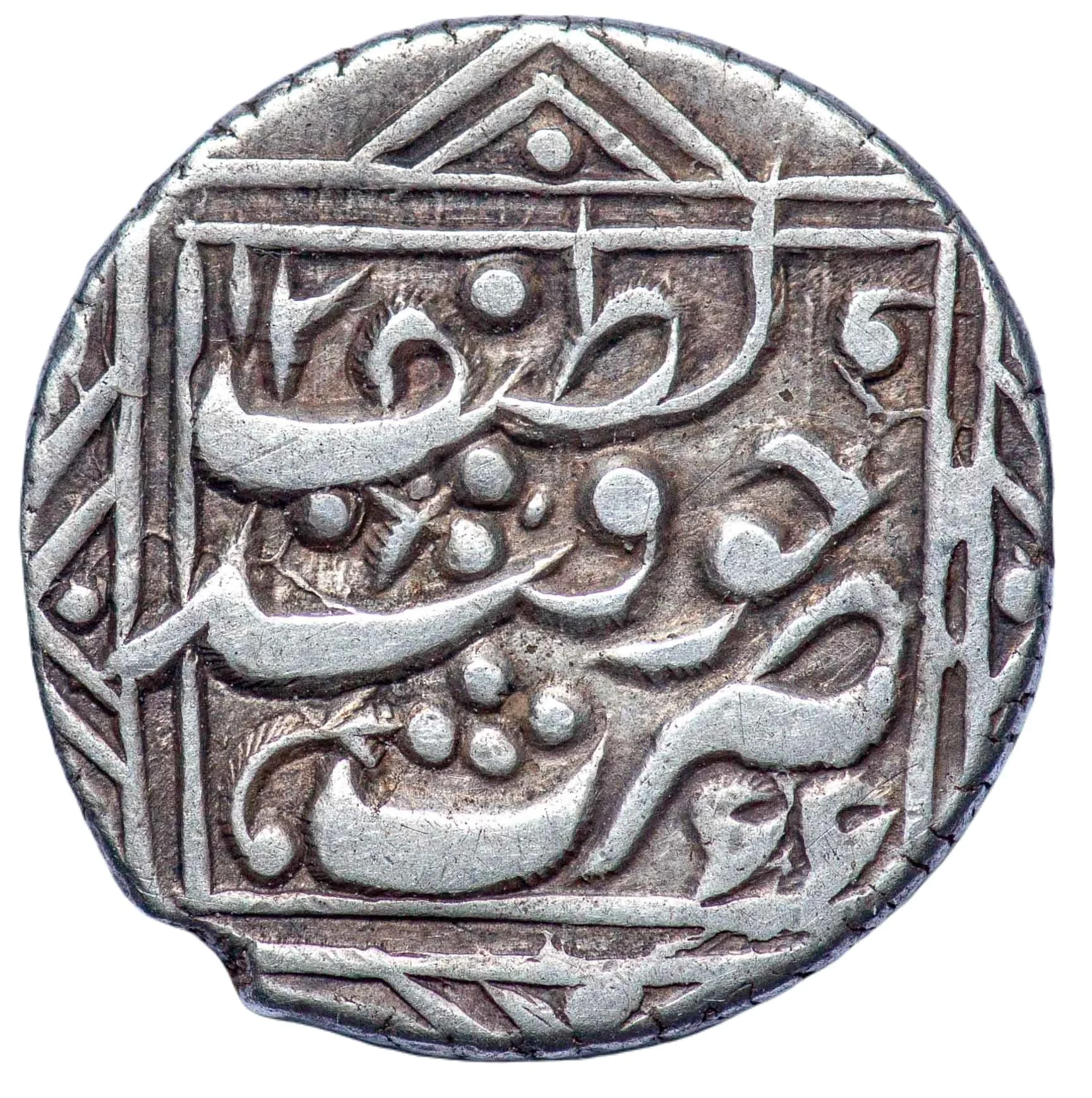
1 tenga – Khoqand Khanate
Add to wishlist
Context
Year: 1850
Islamic (Hijri) Year:: 1266
Country: Central Asia
Issuer: Khoqand Khanate
Ruler: Muhammad Khudayar Khan
Currency:
(1796—1876)
Demonetized: Yes
Material
Diameter: 17.4 mm
Weight: 2.8 g
Silver Weight:: 2.80 g
Thickness: 1.3 mm
Shape: Irregular round
Composition: Silver
Magnetic: No
References
Numista: #155823
Value
Bullion value: $6.99
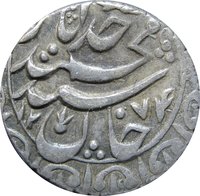
Obverse
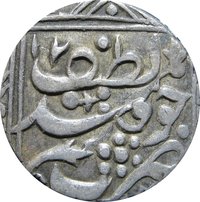
Reverse
Edge
Mintings
| Year | Mint Mark | Mintage | Quality | Collection |
|---|---|---|---|---|
| 1850 | — | — |
Historical background
By 1850, the Khoqand Khanate's currency system was a complex and deteriorating reflection of the state's political and economic strains. The economy relied on a bimetallic system, primarily producing silver tangas and copper puls. However, decades of debasement had severely eroded their value. Successive khans, facing constant military expenses from conflicts with Bukhara, Russia, and rebellious tribes, increasingly minted coins with lower precious metal content to finance the treasury. This led to a proliferation of inferior coins circulating alongside older, purer issues, causing confusion, inflation, and a loss of public trust in the monetary system.
The situation was further complicated by the intense regional trade that flowed through the khanate, a hub on the Silk Road. Foreign coins, particularly Russian silver rubles and Bukharan gold tillas, circulated widely and were often preferred for large transactions due to their consistent weight and purity. This effectively created a dual economy: a fragile, local currency for everyday use and more stable foreign currencies for international trade and state reserves. The khanate's mints in Khoqand, Tashkent, and other cities struggled to assert monetary sovereignty, as their unstable output could not compete with the reliability of external currencies.
Ultimately, the currency crisis of 1850 was a symptom of the khanate's deeper decline. Rampant debasement undermined both internal economic stability and the state's fiscal authority, while the preference for foreign coinage highlighted Khoqand's increasing integration into and dependence on larger economic spheres dominated by its rivals. This financial fragility would weaken the khanate in the critical decades ahead, coinciding with escalating Russian military pressure that would ultimately lead to its annexation in 1876.
The situation was further complicated by the intense regional trade that flowed through the khanate, a hub on the Silk Road. Foreign coins, particularly Russian silver rubles and Bukharan gold tillas, circulated widely and were often preferred for large transactions due to their consistent weight and purity. This effectively created a dual economy: a fragile, local currency for everyday use and more stable foreign currencies for international trade and state reserves. The khanate's mints in Khoqand, Tashkent, and other cities struggled to assert monetary sovereignty, as their unstable output could not compete with the reliability of external currencies.
Ultimately, the currency crisis of 1850 was a symptom of the khanate's deeper decline. Rampant debasement undermined both internal economic stability and the state's fiscal authority, while the preference for foreign coinage highlighted Khoqand's increasing integration into and dependence on larger economic spheres dominated by its rivals. This financial fragility would weaken the khanate in the critical decades ahead, coinciding with escalating Russian military pressure that would ultimately lead to its annexation in 1876.
✨ Legendary