

1 sol – Peru
Add to wishlist
Peru
Material
Diameter: 25.5 mm
Weight: 7.32 g
Thickness: 2 mm
Shape: Round
Composition: Nickel brass
Magnetic: No
Technique: Milled
Alignment: Coin alignment
flip
References
KM: #
Numista: #130685
Value
Exchange value: 1 PEN
Obverse
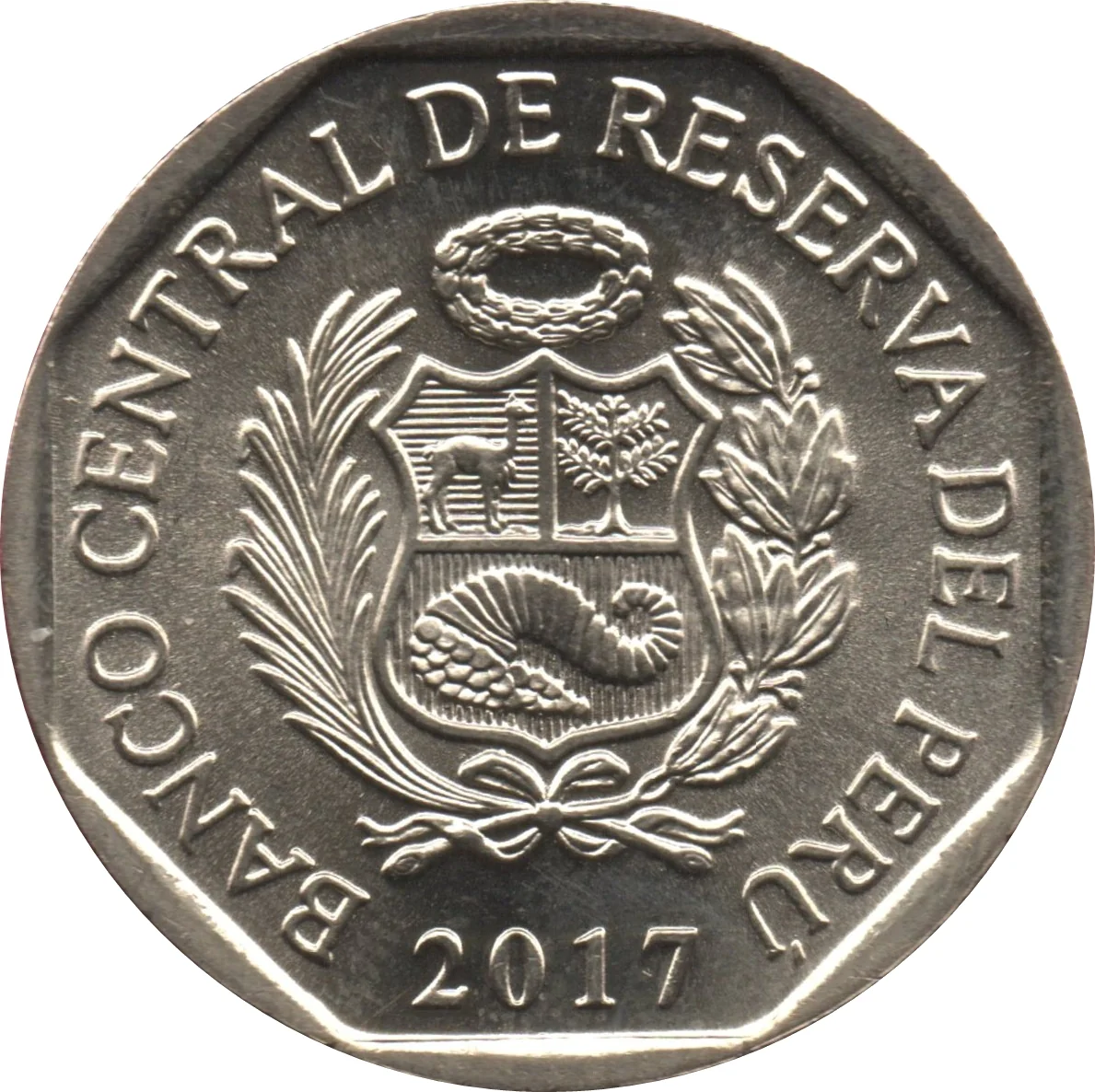
Description:
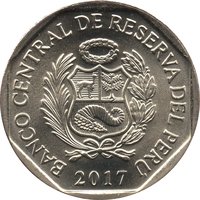
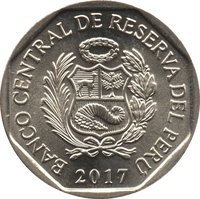
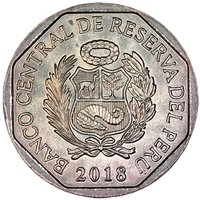
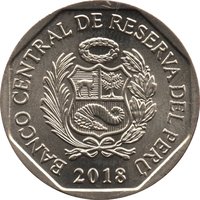
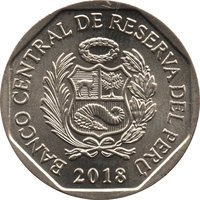
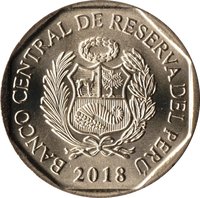
Coat of arms over date.
Inscription:
BANCO CENTRAL DE RESERVA DEL PERÚ
2017
2017
Translation:
CENTRAL RESERVE BANK OF PERU
2017
2017
Script: Latin
Language: Spanish
Engraver: Eduardo Paredes M
Designer: Eduardo Paredes M.
Reverse
Description:
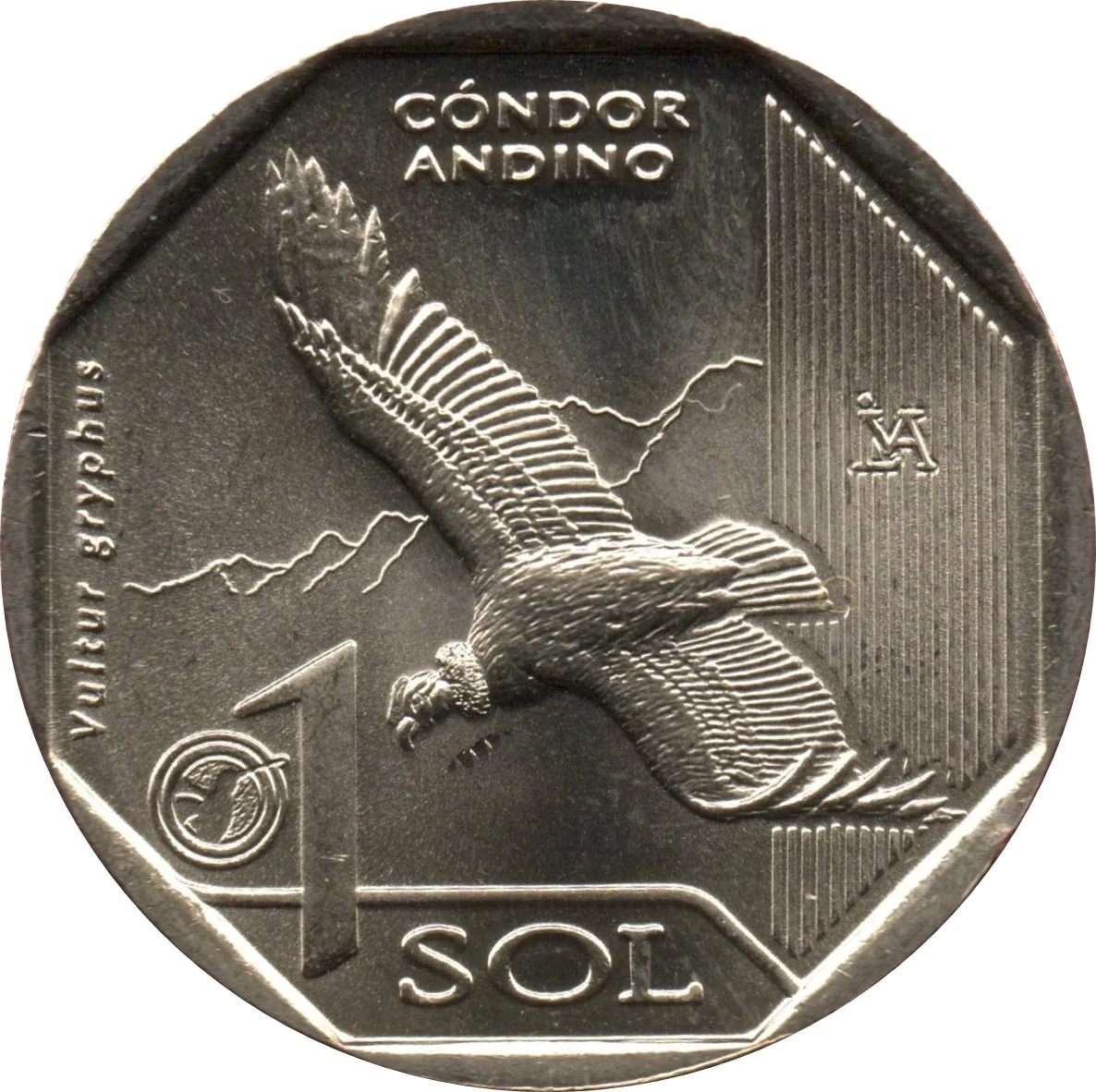
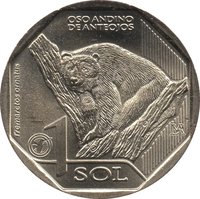
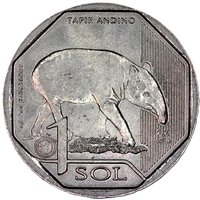
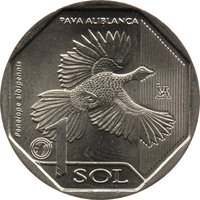
Soaring Andean condor.
Inscription:
CONDOR
ANDINO
LIMA
Vultur gryphus
1 SOL
ANDINO
LIMA
Vultur gryphus
1 SOL
Script: Latin
Engraver: Eduardo Paredes M
Designer: Eduardo Paredes M.
Edge
Reeded
Mints
| Name | Mark |
|---|---|
| Lima | LIMA |
Mintings
| Year | Mint Mark | Mintage | Quality | Collection |
|---|---|---|---|---|
| 2017 | LIMA | 10,000,000 |
Historical background
In 2017, Peru's currency, the sol (PEN), demonstrated notable resilience and appreciation, strengthening by approximately 5% against the US dollar over the course of the year. This performance was underpinned by a combination of robust macroeconomic fundamentals, including controlled inflation, sustained economic growth, and strong foreign investment flows, particularly in the mining sector. The Peruvian Central Bank (BCRP) maintained a proactive and credible monetary policy, utilizing foreign exchange interventions to smooth out excessive volatility while allowing the currency to reflect market fundamentals. This stability was achieved despite ongoing political turbulence, including a corruption scandal involving Brazilian conglomerate Odebrecht that implicated several former Peruvian presidents.
The currency's strength presented a dual-edged sword for the economy. On one hand, a stronger sol helped keep inflation within the BCRP's target range (1-3%), lowering the cost of imports and supporting consumer purchasing power. On the other hand, it posed challenges for export competitiveness, making Peruvian minerals, agricultural products, and other exports more expensive on the global market. This dynamic was a point of concern for key industries, even as the country benefited from a rebound in global commodity prices, particularly for copper, which is Peru's primary export.
Overall, 2017 was characterized by a managed float exchange rate regime functioning effectively. The sol's appreciation was a reflection of investor confidence in Peru's sound fiscal and monetary policies, which acted as a buffer against political instability. The year concluded with the currency on a strong note, providing a stable monetary environment for the economy, though policymakers remained attentive to the potential downsides of an overly strong currency for the tradable sectors of the economy.
The currency's strength presented a dual-edged sword for the economy. On one hand, a stronger sol helped keep inflation within the BCRP's target range (1-3%), lowering the cost of imports and supporting consumer purchasing power. On the other hand, it posed challenges for export competitiveness, making Peruvian minerals, agricultural products, and other exports more expensive on the global market. This dynamic was a point of concern for key industries, even as the country benefited from a rebound in global commodity prices, particularly for copper, which is Peru's primary export.
Overall, 2017 was characterized by a managed float exchange rate regime functioning effectively. The sol's appreciation was a reflection of investor confidence in Peru's sound fiscal and monetary policies, which acted as a buffer against political instability. The year concluded with the currency on a strong note, providing a stable monetary environment for the economy, though policymakers remained attentive to the potential downsides of an overly strong currency for the tradable sectors of the economy.
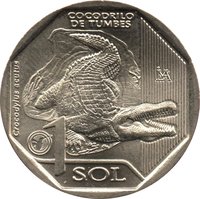
Series: Endangered Fauna from Peru
🌱 Common