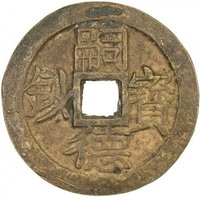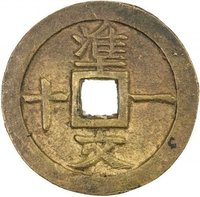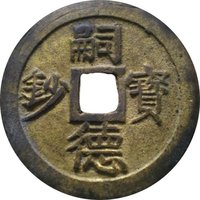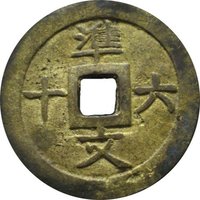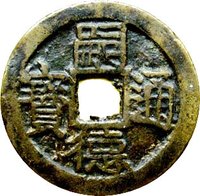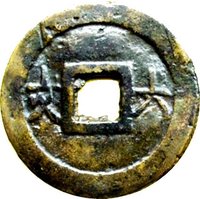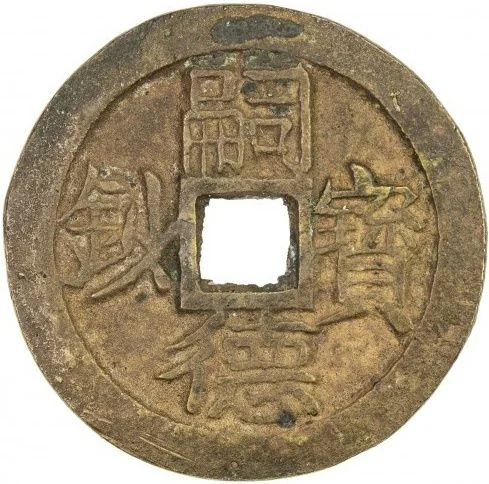
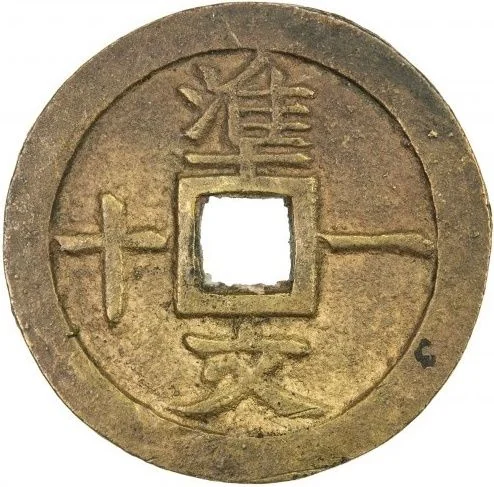
In 1870, the currency situation in the Empire of Vietnam (Đại Nam) was complex and transitional, reflecting a pre-modern economy under increasing external pressure. The official system, mandated by the Nguyễn Dynasty court in Huế, was based on coinage. The primary unit was the
văn, represented by cast bronze or zinc cash coins with a square hole, strung together in strings of 600 coins (a
quán). Silver also circulated in the form of
taels (lạng or
nén), which were bar-shaped ingots, and Mexican silver dollars (pesos) brought by foreign traders. The exchange rates between these metals were unstable and varied regionally, causing significant friction in commerce.
This monetary landscape was plagued by chronic problems. The state's minting was inconsistent, leading to a scarcity of official coinage. This void was filled by a flood of debased and counterfeit zinc and bronze coins from both unofficial domestic mints and smuggled imports, particularly from neighboring Chinese provinces. Consequently, the value of coinage constantly depreciated, harming peasants who paid taxes in kind or in increasingly worthless coins, while the state's revenue lost purchasing power. The circulation of heavy, bulky strings of cash also made large transactions impractical, hindering economic development.
The year 1870 falls within a period just before the formal establishment of French Cochinchina (1867) but amid growing European economic encroachment. While French colonial currency was not yet imposed nationwide, the presence of Spanish and Mexican silver dollars in port cities highlighted the integration into regional bullion networks and the inadequacy of the traditional system. Emperor Tự Đức’s court was aware of the monetary crisis and had initiated discussions about reform, including potential machine-struck coinage, but internal conservatism and a lack of technical capacity prevented decisive action. Thus, the currency situation remained a fragile and fragmented system, symbolizing the empire's broader struggles to modernize its administration and economy in the face of internal decay and external threat.