

2 falus – Morocco
Add to wishlist
Morocco
Context
Material
Diameter: 23 mm
Weight: 7.06 g
Shape: Irregular round
Composition: Bronze
Magnetic: No
Alignment: Coin alignment
flip
References
KM: #
Numista: #126581
Obverse
Description:
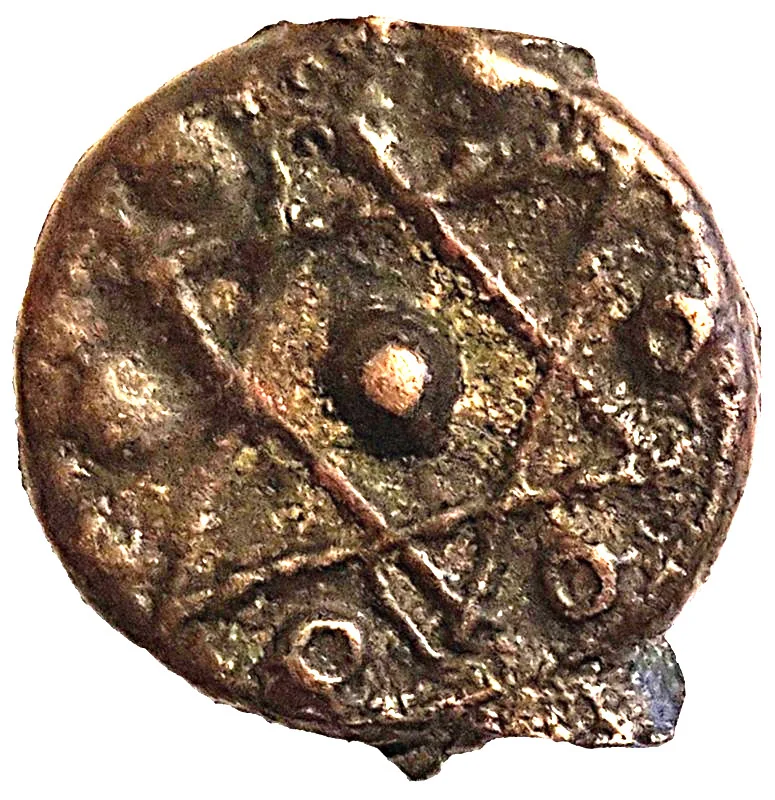
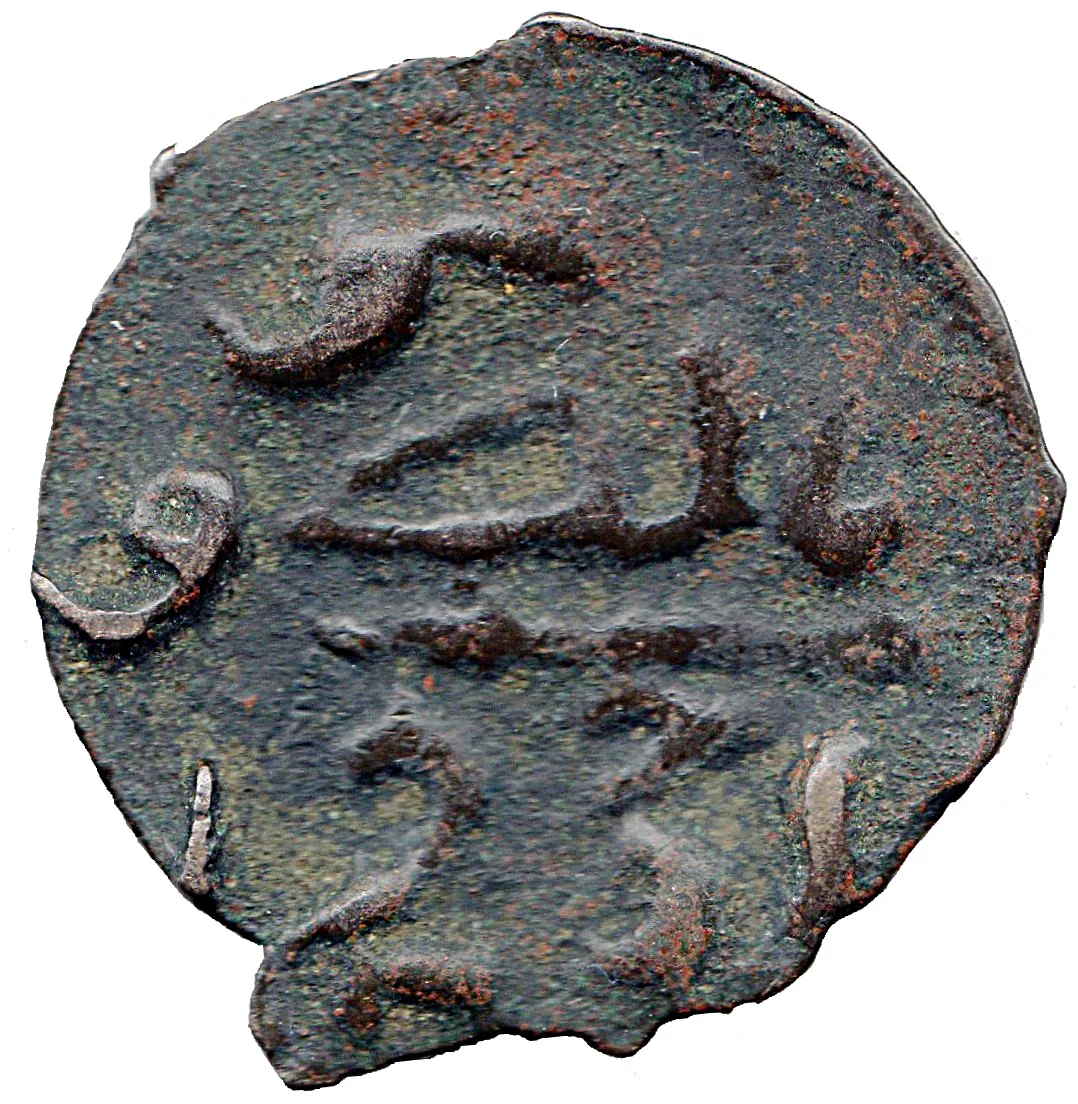
Solomon's signet ring.
Reverse
Edge
Mintings
| Year | Mint Mark | Mintage | Quality | Collection |
|---|---|---|---|---|
| 1814 | — | — | ||
| 1815 | — | — | ||
| 1816 | — | — | ||
| 1818 | — | — | ||
| 1819 | — | — | ||
| 1820 | — | — |
Historical background
In 1814, Morocco's currency situation was characterized by a complex and fragmented system, deeply tied to its political and economic standing. The country operated on a bimetallic standard, with gold benduqi dinars and, more commonly, silver dirhams serving as the official units of account minted by the Sultanate. However, the reality was one of significant disorder. Decades of weak central authority, particularly under Sultan Moulay Slimane (r. 1792–1822), led to widespread debasement of coinage. Provincial governors and local authorities often issued their own coins of varying weight and purity, creating a confusing monetary landscape that hindered domestic trade and state revenue collection.
This internal fragility was exacerbated by intense pressure from European commercial powers. A growing influx of foreign silver coins, especially Spanish reales de a ocho (pieces of eight) and Austrian thalers, circulated alongside local coinage, often preferred for their reliable silver content. This effectively created a dual system where foreign coins dominated larger transactions and foreign trade, while debased local coins were used in everyday commerce. The state's inability to control this inflow or standardize its own currency weakened its economic sovereignty and reflected its diminishing control over coastal trade.
Consequently, the monetary situation of 1814 was a symptom of broader challenges. The Alawite dynasty faced internal tribal rebellions and a sharp decline in trans-Saharan trade, reducing the supply of gold from the south. The combination of internal minting abuses, competition from trusted foreign specie, and shrinking bullion reserves created chronic inflation and fiscal strain for the Makhzen (central government). This unstable environment set the stage for the more severe monetary crises and European financial interventions that would mark the latter half of the 19th century in Morocco.
This internal fragility was exacerbated by intense pressure from European commercial powers. A growing influx of foreign silver coins, especially Spanish reales de a ocho (pieces of eight) and Austrian thalers, circulated alongside local coinage, often preferred for their reliable silver content. This effectively created a dual system where foreign coins dominated larger transactions and foreign trade, while debased local coins were used in everyday commerce. The state's inability to control this inflow or standardize its own currency weakened its economic sovereignty and reflected its diminishing control over coastal trade.
Consequently, the monetary situation of 1814 was a symptom of broader challenges. The Alawite dynasty faced internal tribal rebellions and a sharp decline in trans-Saharan trade, reducing the supply of gold from the south. The combination of internal minting abuses, competition from trusted foreign specie, and shrinking bullion reserves created chronic inflation and fiscal strain for the Makhzen (central government). This unstable environment set the stage for the more severe monetary crises and European financial interventions that would mark the latter half of the 19th century in Morocco.

✨ Legendary