

1 Rupee – Mughal Empire
India
Context
Year: 1620
Islamic (Hijri) Year: 1029
Country: India 
Issuer: Mughal Empire
Ruler: Jahangir I
Currency:
(1540—1842)
Demonetized: Yes
Material
References
KM: #Click to copy to clipboard150.8
Numista: #549664
Value
Bullion value: $32.34
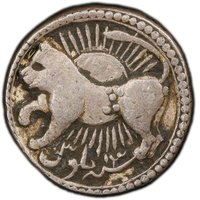
Obverse
Description:
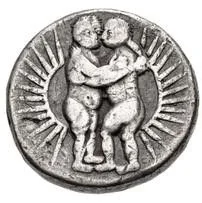
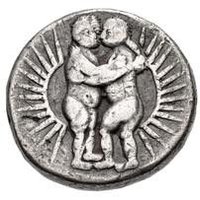
Twins before a shining sun.
Reverse
Description:
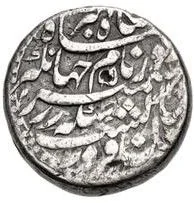
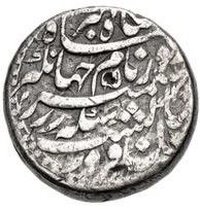
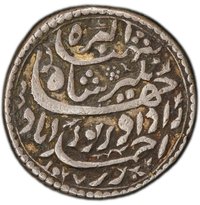
Emperor Muhammad Jahangir, with Persian dates (Islamic and regnal).
Inscription:
Names of "Jahangir" and "Akbar"
1029
1029
Script: Persian
Edge
Plain
Mints
| Name | Mark |
|---|---|
| Jammu | — |
Mintings
| Year | Mint Mark | Mintage | Quality | Collection |
|---|---|---|---|---|
| 1620 | — | — |
Historical background
By 1620, the Mughal Empire's currency system under Emperor Jahangir was a model of stability and sophistication, built upon the robust foundations laid by his father, Akbar. The empire operated on a trimetallic system with the silver rupee as the primary unit of account and the workhorse of the vast economy, used for revenue assessment, large-scale trade, and hoarding. It was complemented by the gold mohur, valued at approximately 15 rupees and used for high-value transactions, gifts, and treasures, and a variety of copper dam coins (40-48 to a rupee) that facilitated everyday local trade and wages. The system was highly centralized, with coins minted in imperial mints (dar-ul-zarb) across the subcontinent, bearing standardized designs and the emperor's name, ensuring wide acceptance.
This monetary stability was a direct result of Akbar's reforms, which established strict weight and purity standards. Jahangir maintained this rigor, but also introduced a notable artistic innovation: portrait rupees. Around 1614-1620, he ordered the minting of coins featuring his own likeness, sometimes with a wine cup, and even a series with the twelve signs of the zodiac. These were not economic instruments but statements of imperial ideology and personal sovereignty, likely intended for presentation and collection by the elite. They circulated alongside the standard calligraphic issues, which bore Islamic inscriptions and the place and year of minting.
The empire's financial health in 1620 was underpinned by a massive influx of American silver, primarily from the Spanish Empire via trade with Europe and the New World. This bullion, exchanged for Indian textiles, spices, and other goods, ensured a steady supply of silver for the rupee coinage, preventing deflation and fueling economic expansion. Furthermore, the highly liquid and trustworthy currency facilitated not only a booming internal agrarian and manufacturing economy but also cemented India's central role in global trade networks, connecting the Mughal markets to Persia, the Ottoman Empire, Southeast Asia, and beyond. The system, at this point, was a key pillar of Mughal power and prosperity.
This monetary stability was a direct result of Akbar's reforms, which established strict weight and purity standards. Jahangir maintained this rigor, but also introduced a notable artistic innovation: portrait rupees. Around 1614-1620, he ordered the minting of coins featuring his own likeness, sometimes with a wine cup, and even a series with the twelve signs of the zodiac. These were not economic instruments but statements of imperial ideology and personal sovereignty, likely intended for presentation and collection by the elite. They circulated alongside the standard calligraphic issues, which bore Islamic inscriptions and the place and year of minting.
The empire's financial health in 1620 was underpinned by a massive influx of American silver, primarily from the Spanish Empire via trade with Europe and the New World. This bullion, exchanged for Indian textiles, spices, and other goods, ensured a steady supply of silver for the rupee coinage, preventing deflation and fueling economic expansion. Furthermore, the highly liquid and trustworthy currency facilitated not only a booming internal agrarian and manufacturing economy but also cemented India's central role in global trade networks, connecting the Mughal markets to Persia, the Ottoman Empire, Southeast Asia, and beyond. The system, at this point, was a key pillar of Mughal power and prosperity.
Series: Zodiac Mughal Rupee
✨ Legendary