

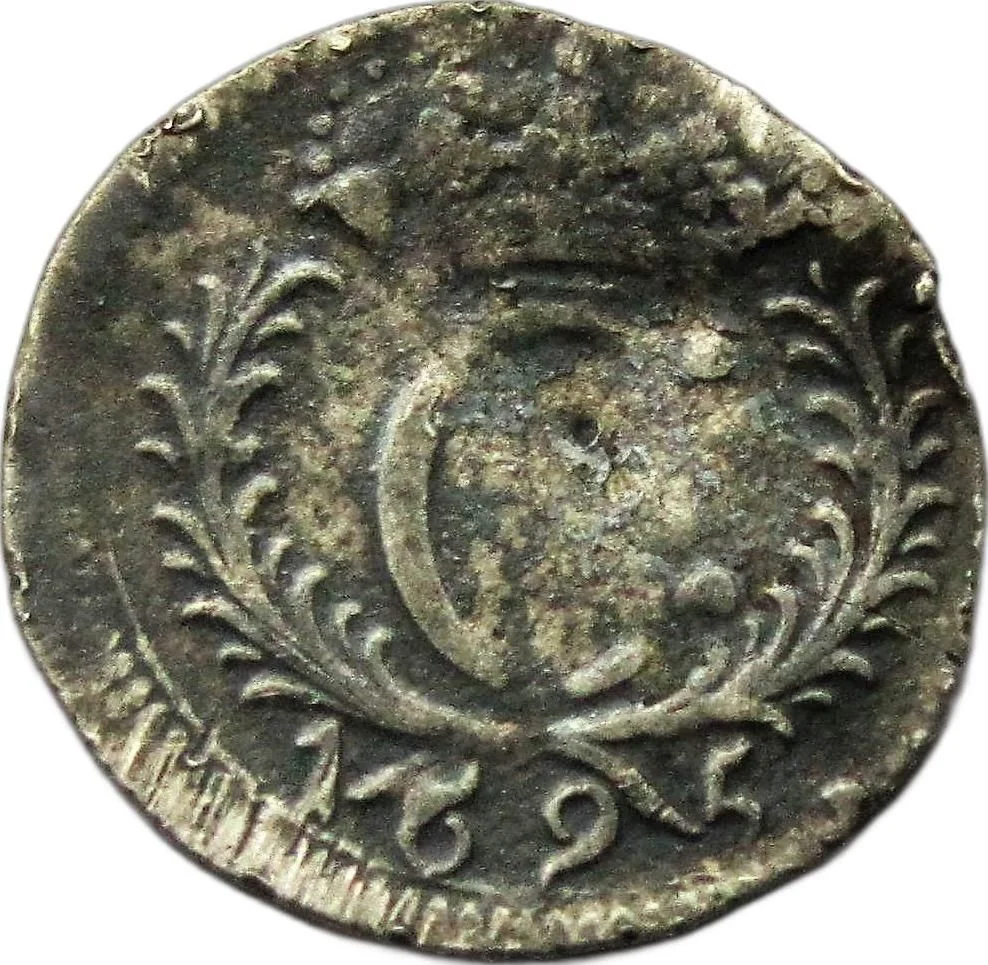
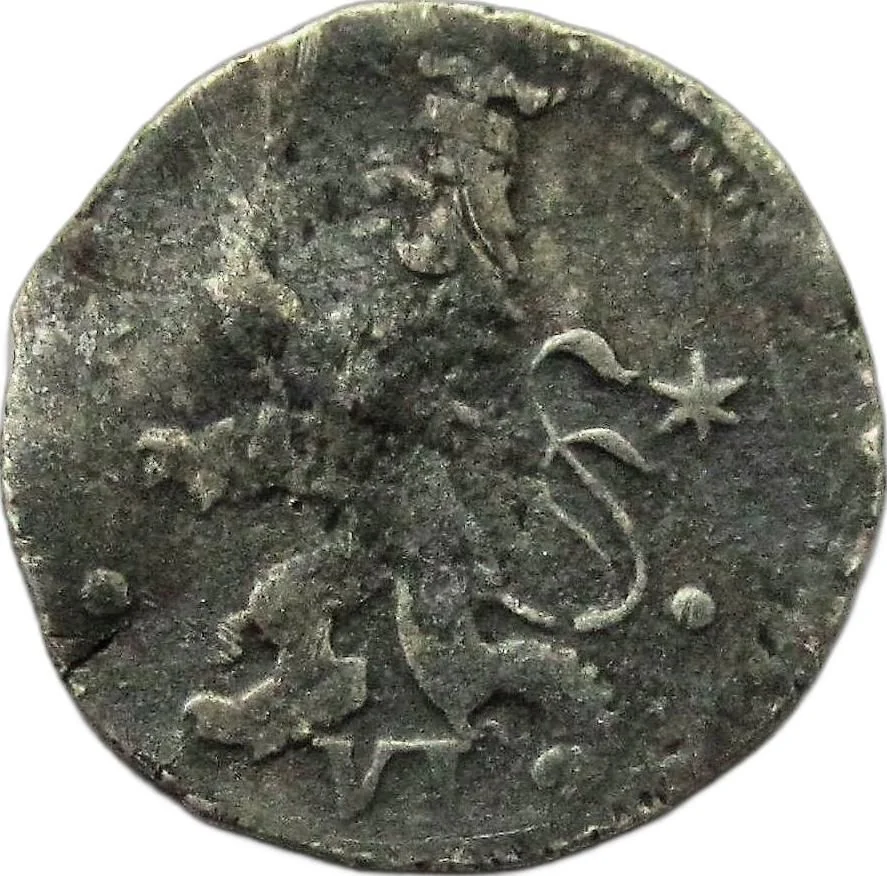
6 Hellers – Landgraviate of Hesse-Cassel
Context
Material
References
KM: #Click to copy to clipboard298
Numista: #262633
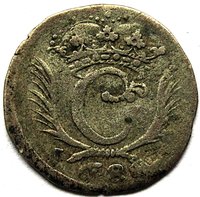
Obverse
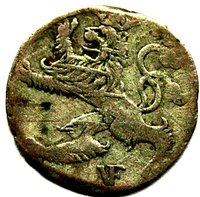
Reverse
Edge
Mints
| Name | Mark |
|---|---|
| Kassel | — |
Mintings
| Year | Mint Mark | Mintage | Quality | Collection |
|---|---|---|---|---|
| 1675 | — | — | ||
| 1679 | — | — | ||
| 1686 | — | — | ||
| 1688 | — | — | ||
| 1695 | — | — | ||
| 1701 | — | — | ||
| 1702 | — | — | ||
| 1703 | — | — | ||
| 1706 | — | — | ||
| 1713 | — | — | ||
| 1714 | — | — |
Historical background
In 1675, the currency situation in the Landgraviate of Hesse-Cassel was one of significant strain and complexity, a direct legacy of the Thirty Years' War (1618-1648). The war had devastated the region's economy and led to a severe debasement of the coinage. Landgrave William VI (reigned 1663-1677) inherited a monetary system flooded with inferior Kippermünzen (debased coinage) from his predecessors, alongside a confusing mix of older, higher-value Reichsthalers and foreign currencies circulating in trade. This created a chronic lack of trustworthy, high-value specie and undermined both domestic commerce and state finances.
Landgrave William VI pursued a policy of monetary stabilization and unification, a process that was ongoing in 1675. His central aim was to restore the Reichsthaler as the stable accounting unit and to gradually remove the debased coinage from circulation. This was a difficult and slow process, as it required recalling old coins, minting new ones to a reliable standard, and managing public distrust. The state's need for revenue, particularly to maintain its formidable standing army, constantly pressured these reform efforts, creating a tension between fiscal necessity and monetary stability.
Consequently, in 1675, the Hessian economy operated with a dual reality. Officially, accounts were kept in stable Reichsthalers and Gulden, but daily transactions were still conducted with a mix of coins of varying intrinsic worth. The Landgraviate's location at the crossroads of major European trade routes exacerbated the situation, as merchants dealt in numerous foreign currencies, from Dutch guilders to French livres. Therefore, while a concerted reform was underway, the monetary landscape remained fragmented, posing a persistent challenge to economic recovery and state administration.
Landgrave William VI pursued a policy of monetary stabilization and unification, a process that was ongoing in 1675. His central aim was to restore the Reichsthaler as the stable accounting unit and to gradually remove the debased coinage from circulation. This was a difficult and slow process, as it required recalling old coins, minting new ones to a reliable standard, and managing public distrust. The state's need for revenue, particularly to maintain its formidable standing army, constantly pressured these reform efforts, creating a tension between fiscal necessity and monetary stability.
Consequently, in 1675, the Hessian economy operated with a dual reality. Officially, accounts were kept in stable Reichsthalers and Gulden, but daily transactions were still conducted with a mix of coins of varying intrinsic worth. The Landgraviate's location at the crossroads of major European trade routes exacerbated the situation, as merchants dealt in numerous foreign currencies, from Dutch guilders to French livres. Therefore, while a concerted reform was underway, the monetary landscape remained fragmented, posing a persistent challenge to economic recovery and state administration.
✨ Legendary