

1 Albus – Landgraviate of Hesse-Cassel
Context
Material
References
KM: #Click to copy to clipboard296
Numista: #162571
Value
Bullion value: $4.24
Obverse
Description:
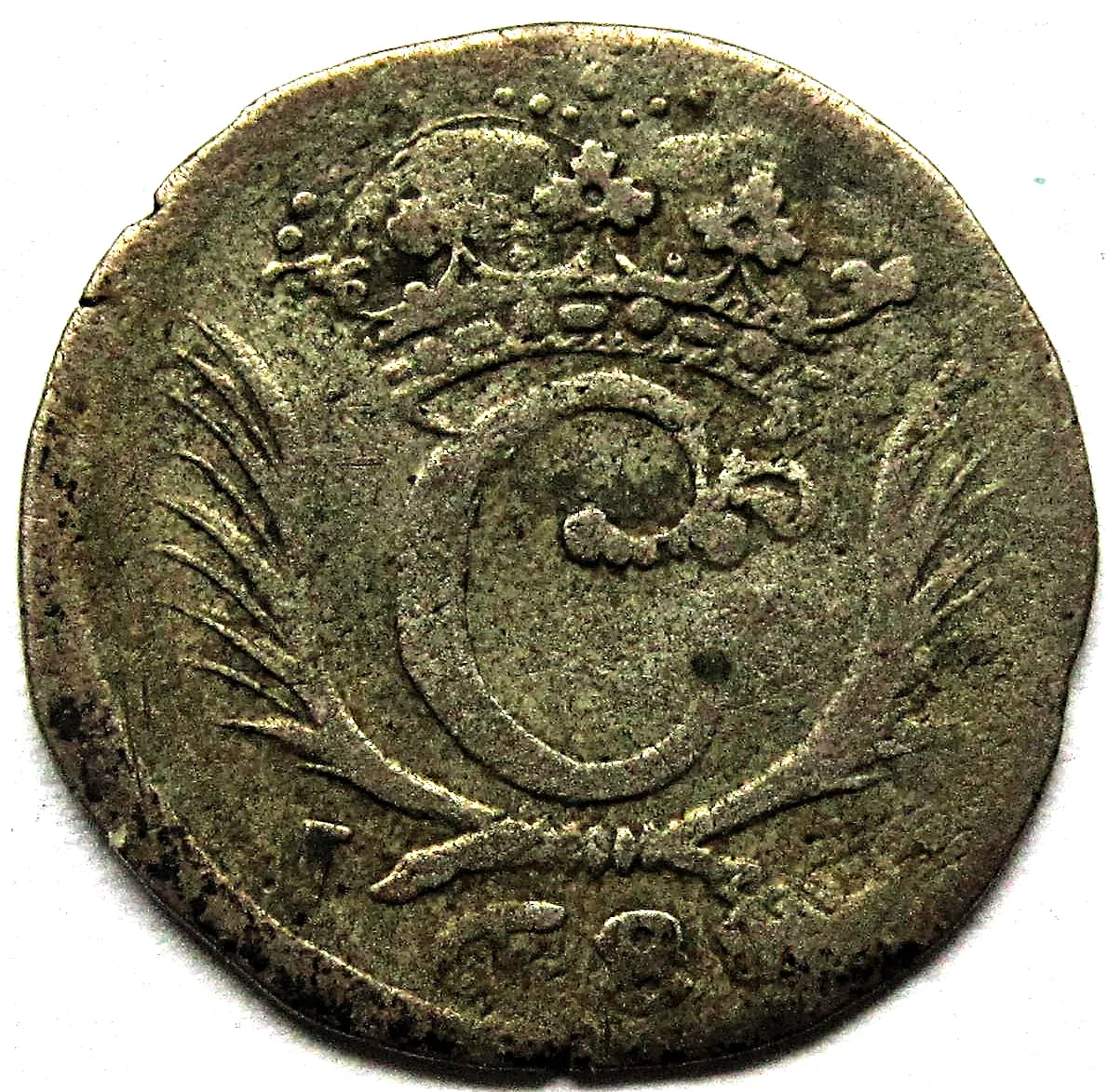
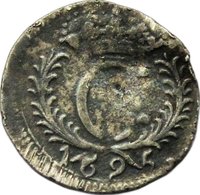
Crowned monogram within branches.
Reverse
Description:
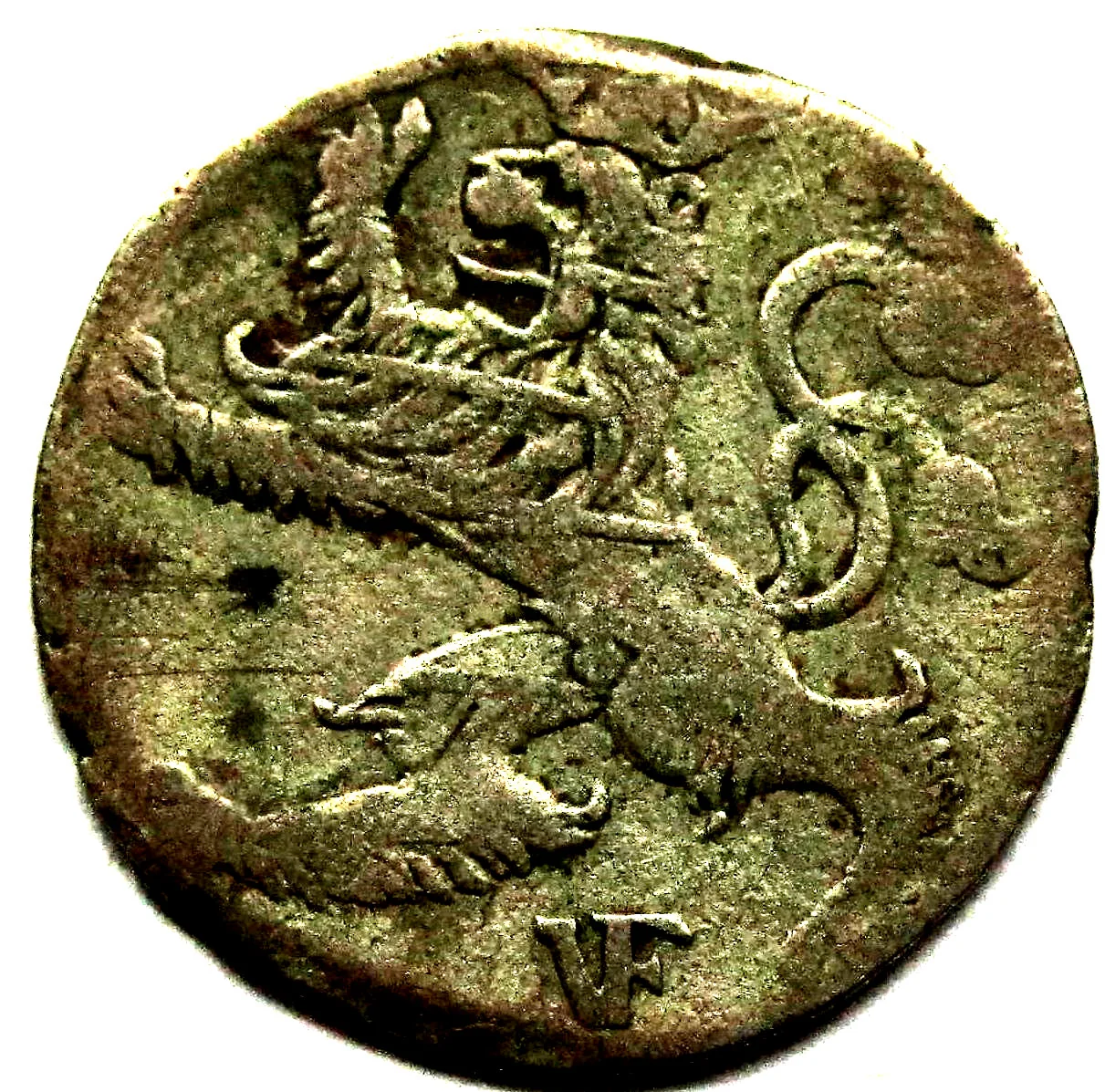
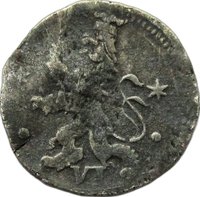
Crowned lion facing left.
Edge
Mints
| Name | Mark |
|---|---|
| Kassel | — |
Mintings
| Year | Mint Mark | Mintage | Quality | Collection |
|---|---|---|---|---|
| 1673 | — | — | ||
| 1674 | — | — | ||
| 1675 | — | — | ||
| 1676 | — | — | ||
| 1677 | — | — | ||
| 1678 | — | — | ||
| 1679 | — | — | ||
| 1680 | — | — | ||
| 1681 | — | — | ||
| 1682 | — | — | ||
| 1683 | — | — | ||
| 1684 | — | — | ||
| 1685 | — | — | ||
| 1686 | — | — | ||
| 1687 | — | — | ||
| 1688 | — | — | ||
| 1689 | — | — | ||
| 1690 | — | — |
Historical background
In 1673, the Landgraviate of Hesse-Cassel found itself in a complex and challenging monetary situation, a legacy of the Thirty Years' War and the fiscal policies of Landgrave William VI and his widow, Regent Hedwig Sophie. The war had severely debased the regional currency, the Hessischer Albus, leading to a proliferation of inferior coins from various German mints circulating within its territories. This created a classic "bad money drives out good" scenario, where full-value specie was hoarded or exported, leaving commerce choked with debased and foreign coins of uncertain worth, undermining both trade and state revenue.
The regency government under Hedwig Sophie, ruling for the young Landgrave Charles, was actively attempting to stabilize the currency. A key focus was on controlling the Kippermünze (debased coinage) by enforcing stricter regulations on the numerous local mints, some of which were privately leased and prone to issuing lightweight coins for profit. The goal was to restore confidence by aligning the face value of coins more closely with their intrinsic silver content, a difficult task in a fragmented Holy Roman Empire where neighboring states' monetary policies directly impacted Hesse-Cassel's economy.
This monetary instability occurred within the broader context of Hesse-Cassel's rising geopolitical importance and military expenditure. As a key Protestant state, it was building a modern standing army and fortifying its cities, which required substantial and reliable tax income. The chaotic currency situation directly threatened this fiscal foundation, making monetary reform not just an economic necessity but a strategic imperative for the landgraviate's sovereignty and power in the volatile post-Westphalian order.
The regency government under Hedwig Sophie, ruling for the young Landgrave Charles, was actively attempting to stabilize the currency. A key focus was on controlling the Kippermünze (debased coinage) by enforcing stricter regulations on the numerous local mints, some of which were privately leased and prone to issuing lightweight coins for profit. The goal was to restore confidence by aligning the face value of coins more closely with their intrinsic silver content, a difficult task in a fragmented Holy Roman Empire where neighboring states' monetary policies directly impacted Hesse-Cassel's economy.
This monetary instability occurred within the broader context of Hesse-Cassel's rising geopolitical importance and military expenditure. As a key Protestant state, it was building a modern standing army and fortifying its cities, which required substantial and reliable tax income. The chaotic currency situation directly threatened this fiscal foundation, making monetary reform not just an economic necessity but a strategic imperative for the landgraviate's sovereignty and power in the volatile post-Westphalian order.
💎 Extremely Rare