

2 Hellers – Landgraviate of Hesse-Cassel
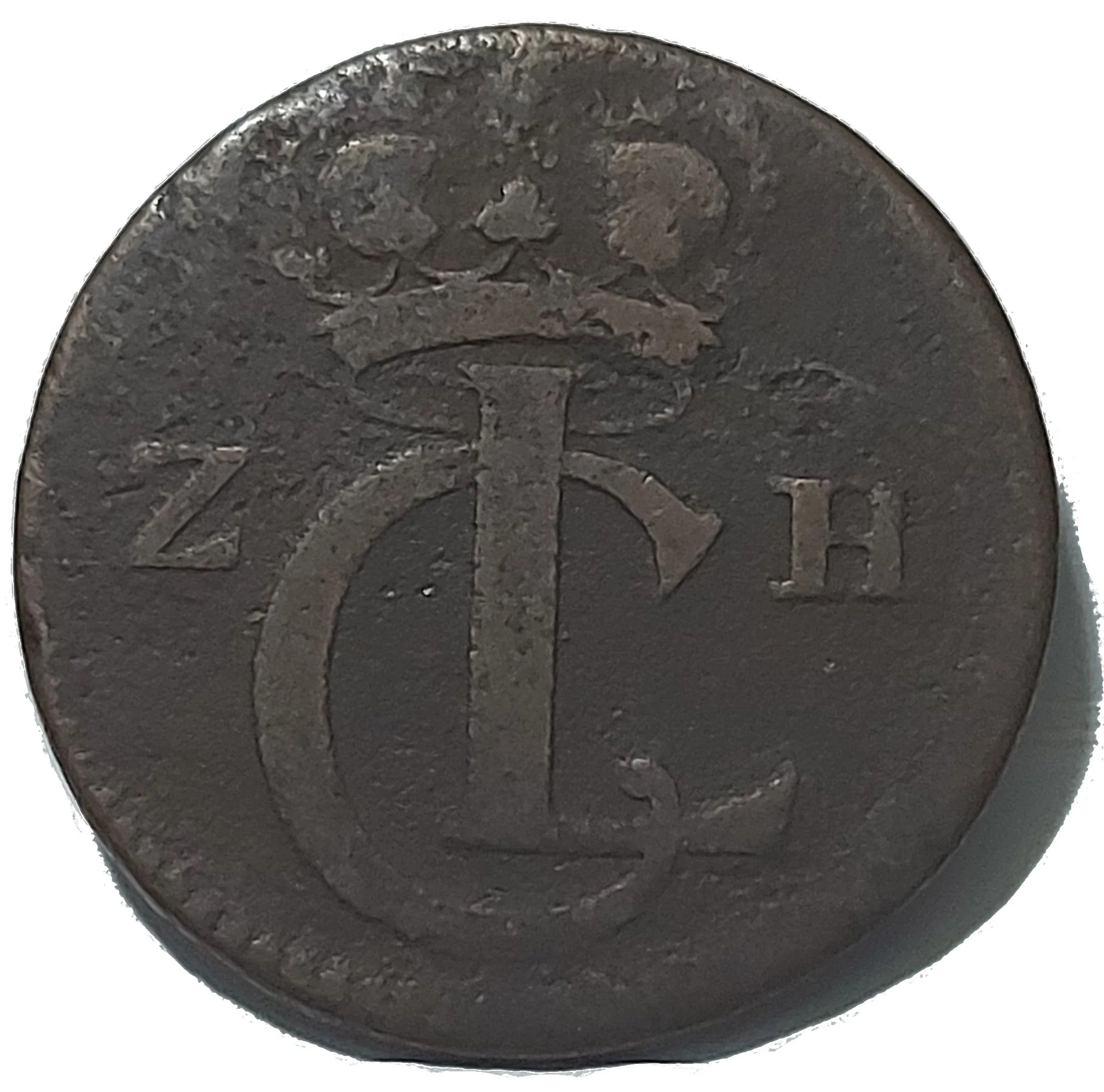
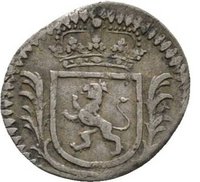
Obverse
Description:
Inscription split left and right, crowned monogram center.
Inscription:
Z CL H
Script: Latin
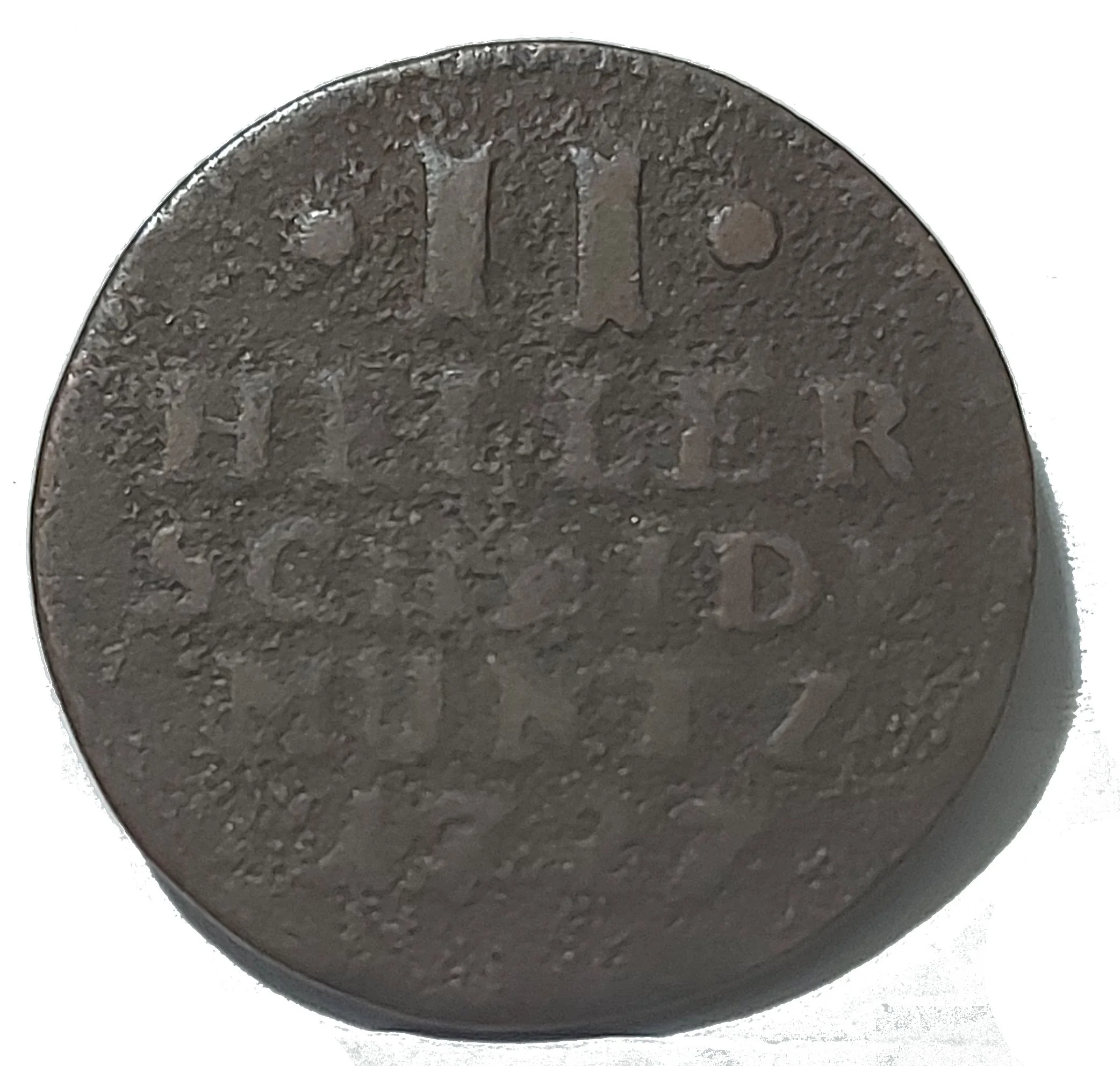
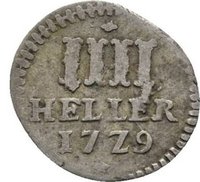
Reverse
Description:
Center inscription: denomination and date.
Inscription:
* II *
HELLER
SCHEIDE
MUNTZ
1727
HELLER
SCHEIDE
MUNTZ
1727
Script: Latin
Edge
Mints
| Name | Mark |
|---|---|
| Kassel | — |
Mintings
| Year | Mint Mark | Mintage | Quality | Collection |
|---|---|---|---|---|
| 1727 | — | — |
Historical background
In 1727, the currency situation in the Landgraviate of Hesse-Cassel was one of significant complexity and ongoing reform, shaped by the ambitious policies of Landgrave Karl I. The state’s finances were heavily reliant on the lucrative practice of hiring out its highly trained soldiers as mercenaries to foreign powers, a business that generated substantial foreign specie, particularly silver. However, the domestic monetary system was a fragmented patchwork of various coins, including Taler, Gulden, and Kreuzer, with values that fluctuated not only against foreign currencies but also between different regions within the Holy Roman Empire. This created chronic instability for trade and taxation.
Recognizing these challenges, Karl I had embarked on a centralizing monetary policy. A key institution in this effort was the Landesbank (state bank) established in Cassel, which aimed to consolidate the state's financial resources and regulate currency. The year 1727 fell within a period of active management, where the government sought to standardize coinage, control minting, and combat the circulation of debased or foreign coins that eroded economic confidence. The goal was to assert princely authority over the monetary system, ensuring that Hesse-Cassel's currency was reliable and that the profits from its military enterprises effectively funded the state treasury and its projects.
Despite these efforts, the situation remained precarious. The very source of Hesse-Cassel's wealth—the soldier trade—also tied its economy to the political and financial health of other European states, making it vulnerable to external shocks. Furthermore, within the Empire's decentralized structure, the constant inflow and outflow of different coinages made complete control difficult. Thus, in 1727, the currency landscape was one of transition: a state actively working to impose order and extract maximum fiscal advantage from its unique position, yet still grappling with the inherent instabilities of an 18th-century German territorial economy.
Recognizing these challenges, Karl I had embarked on a centralizing monetary policy. A key institution in this effort was the Landesbank (state bank) established in Cassel, which aimed to consolidate the state's financial resources and regulate currency. The year 1727 fell within a period of active management, where the government sought to standardize coinage, control minting, and combat the circulation of debased or foreign coins that eroded economic confidence. The goal was to assert princely authority over the monetary system, ensuring that Hesse-Cassel's currency was reliable and that the profits from its military enterprises effectively funded the state treasury and its projects.
Despite these efforts, the situation remained precarious. The very source of Hesse-Cassel's wealth—the soldier trade—also tied its economy to the political and financial health of other European states, making it vulnerable to external shocks. Furthermore, within the Empire's decentralized structure, the constant inflow and outflow of different coinages made complete control difficult. Thus, in 1727, the currency landscape was one of transition: a state actively working to impose order and extract maximum fiscal advantage from its unique position, yet still grappling with the inherent instabilities of an 18th-century German territorial economy.
✨ Legendary