Logo Title
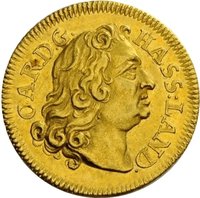
obverse
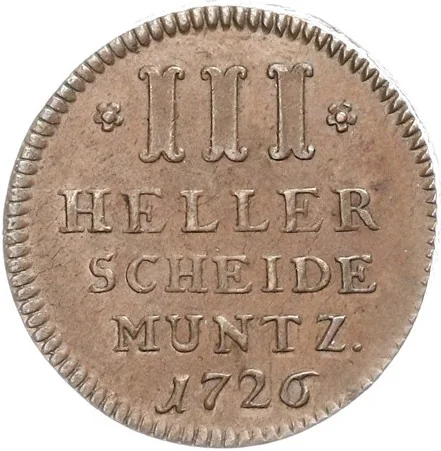
reverse
WAG Online Auktions

3 Hellers – Landgraviate of Hesse-Cassel

Context
Years: 1726–1728
Ruler: Charles I
Currency:
Demonetized: Yes
Material
Diameter: 26 mm
Shape: Round
Composition: Copper
Magnetic: No
References
KM: #Click to copy to clipboard394
Numista: #187145

Obverse

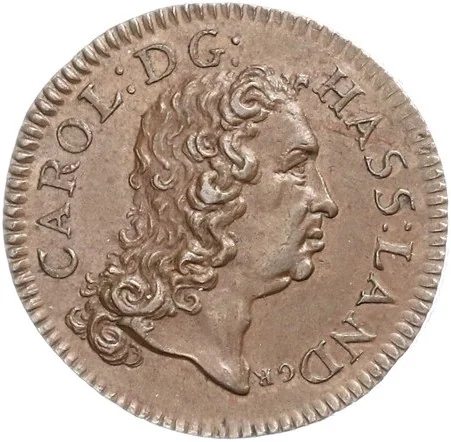
Description:
Rim inscription, central bust of Karl facing right.
Inscription:
CAROL: DG: HASS: LANDGR
Script: Latin

Reverse

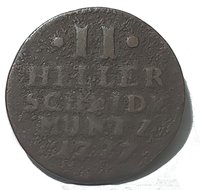
Description:
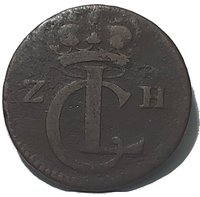
Center inscription: denomination and date.
Inscription:
* III *

HELLER

SCHEIDE

MUNTZ.

1726
Script: Latin

Edge
Mints

NameMark
Kassel

Mintings

YearMint MarkMintageQualityCollection
1726
1728

Historical background

In 1726, the currency situation in the Landgraviate of Hesse-Cassel was complex and challenging, characterized by a fragmented and debased monetary system. The landgraviate did not have a uniform coinage; instead, it operated within the wider framework of the Holy Roman Empire's monetary zones, specifically the Reichstaler area. However, numerous different coins circulated simultaneously, including older domestic issues, coins from neighbouring states, and a proliferation of lower-quality Scheidemünzen (small change). This created chronic confusion in trade and facilitated widespread counterfeiting.

The root cause of this instability lay in the financial practices of the ruling house. Landgrave Charles I, who ruled until 1730, and his predecessors had frequently engaged in Kippermünz practices—the deliberate debasement of coinage to generate short-term seigniorage profit for the state treasury, often to finance military ventures or court expenditures. This eroded public trust in the currency, as the intrinsic silver content of coins was often far below their face value. The result was a dual system where transactions were often calculated in stable Rechnungstaler (accounting thalers) while actual payment was made in a variable mix of depreciated physical coins.

Consequently, by 1726, Hesse-Cassel was grappling with the economic distortions typical of a debased currency: price inflation, hindrance to commerce, and a drain of better-quality coins from circulation (Gresham's Law). While a major monetary reform was still two decades away (under Landgrave William VIII in the 1740s), the year 1726 represents a point within a prolonged period of monetary disorder. The situation underscored the tension between the fiscal needs of an ambitious principality and the economic necessity of a stable medium of exchange for its subjects.
Legendary