

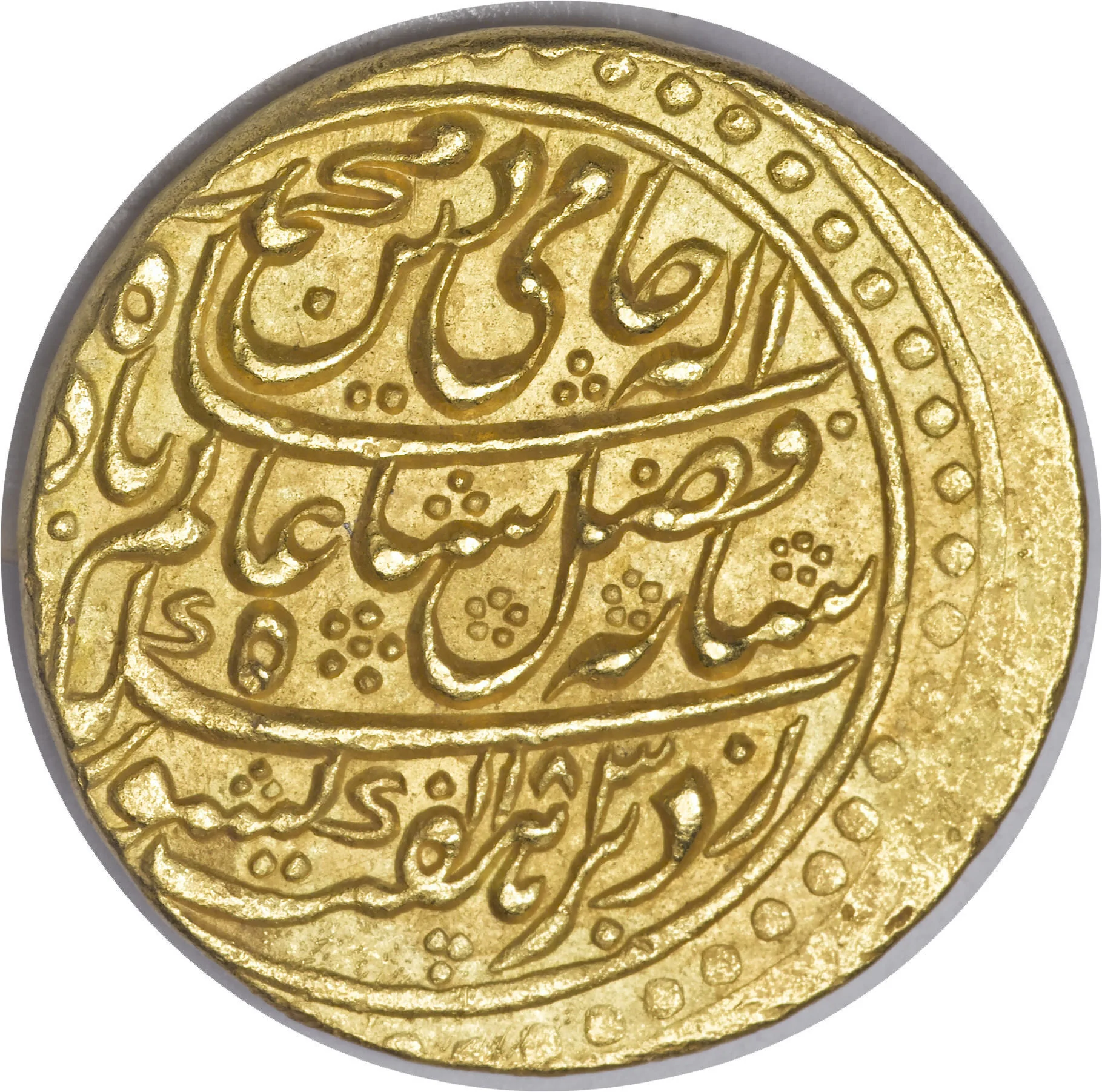
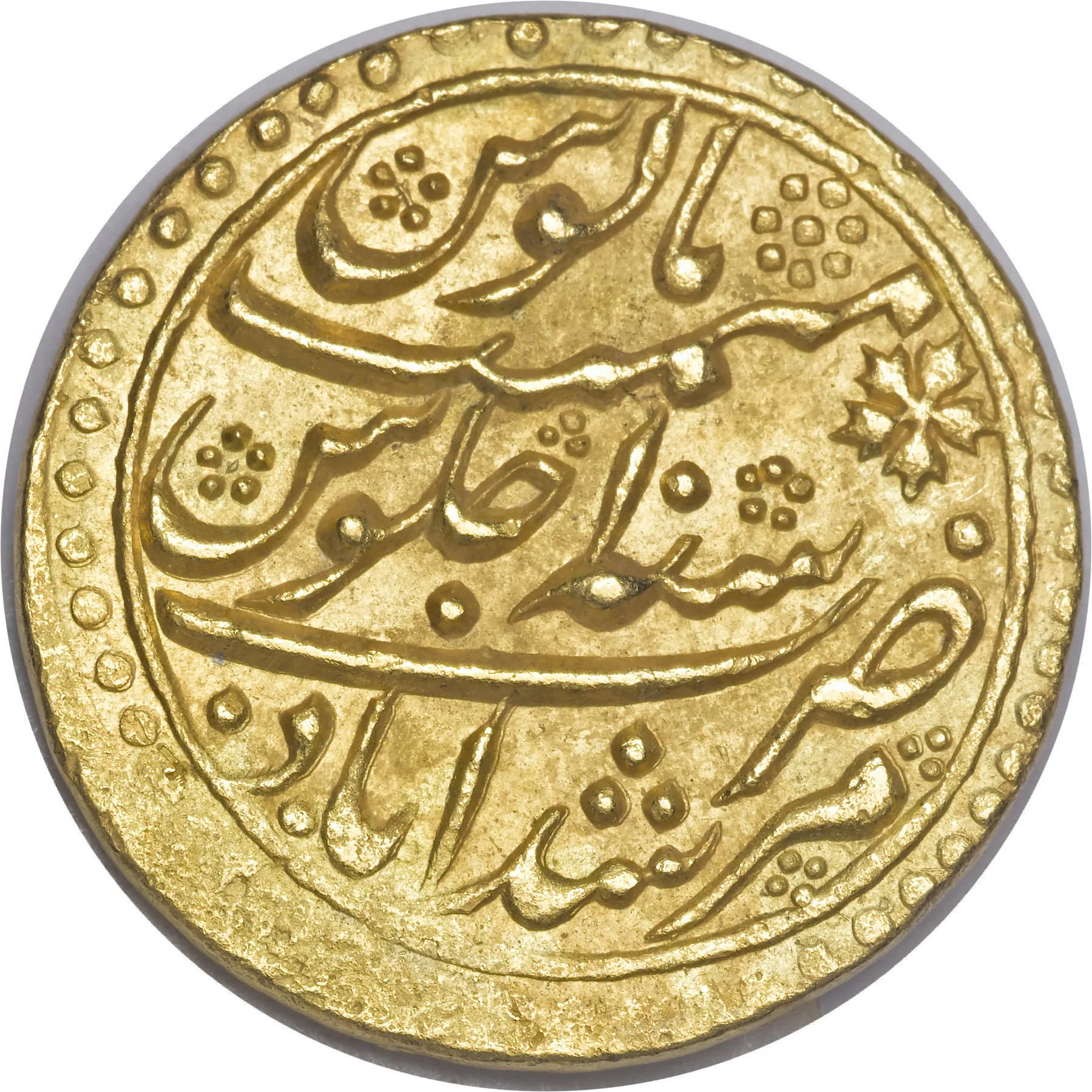
1 Mohur – Bengal Presidency
India
Context
Year: 1769
Islamic (Hijri) Year: 1182
Country: India 
Issuer: Bengal Presidency
Currency:
(1765—1835)
Demonetized: Yes
Material
References
KM: #Click to copy to clipboard94.1
Numista: #25857
Value
Bullion value: $2061.62
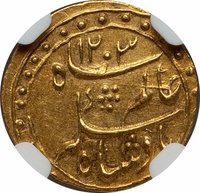
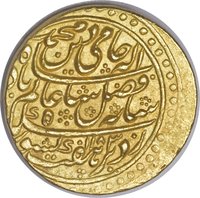
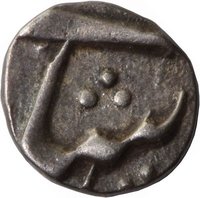
Obverse
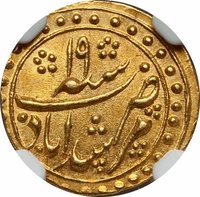
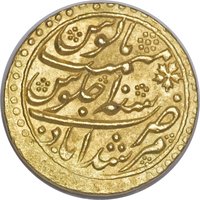
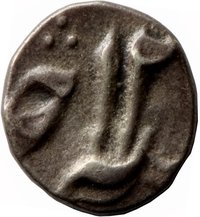
Reverse
Edge
Mintings
| Year | Mint Mark | Mintage | Quality | Collection |
|---|---|---|---|---|
| 1769 | — | — |
Historical background
In 1769, the Bengal Presidency's currency system was a complex and strained amalgamation of Mughal tradition and emerging British colonial control. The primary circulating medium was the silver sicca rupee, minted by the Company's Calcutta Mint, but its value and purity were in constant tension with older, worn sanat rupees and various regional coins. This multiplicity created a chaotic exchange environment, riddled with discounting and fraud, which hampered both commerce and revenue collection. The East India Company, as the Diwan (revenue administrator) since 1765, struggled to impose monetary uniformity, a task made urgent by its need to extract land revenue efficiently and finance its trade and military expansion.
The situation was critically exacerbated by the devastating Bengal famine of 1769-1773, which began its grim ascent in late 1769. The famine, caused by failed rains and compounded by Company revenue policies and grain hoarding, precipitated a severe economic contraction and liquidity crisis. Silver rupees were hoarded as wealth evaporated, disrupting the entire monetary circulation. This scarcity of specie made it nearly impossible for peasants to pay their taxes in cash, undermining the Company's fiscal base at the very moment it sought to consolidate its financial apparatus.
Consequently, 1769 represents a pivotal and troubled juncture. The British administration, under Governor-General Lord Verelst, recognized the need for a standardized and trustworthy currency to stabilize its rule and economy, but its efforts were overwhelmed by the catastrophic human and economic disaster of the famine. Thus, the currency situation was not merely a technical financial issue but a central component of the wider crisis of early colonial rule, setting the stage for more forceful interventions, like the reforms of the Warren Hastings era, to create a unified currency system under full Company control.
The situation was critically exacerbated by the devastating Bengal famine of 1769-1773, which began its grim ascent in late 1769. The famine, caused by failed rains and compounded by Company revenue policies and grain hoarding, precipitated a severe economic contraction and liquidity crisis. Silver rupees were hoarded as wealth evaporated, disrupting the entire monetary circulation. This scarcity of specie made it nearly impossible for peasants to pay their taxes in cash, undermining the Company's fiscal base at the very moment it sought to consolidate its financial apparatus.
Consequently, 1769 represents a pivotal and troubled juncture. The British administration, under Governor-General Lord Verelst, recognized the need for a standardized and trustworthy currency to stabilize its rule and economy, but its efforts were overwhelmed by the catastrophic human and economic disaster of the famine. Thus, the currency situation was not merely a technical financial issue but a central component of the wider crisis of early colonial rule, setting the stage for more forceful interventions, like the reforms of the Warren Hastings era, to create a unified currency system under full Company control.
✨ Legendary