

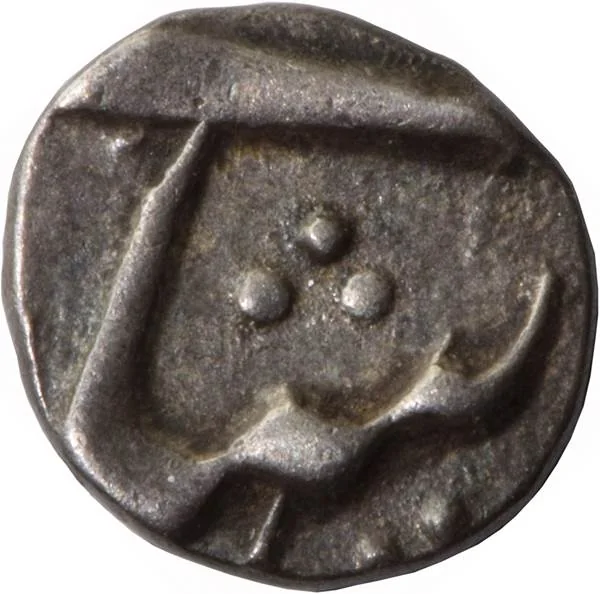
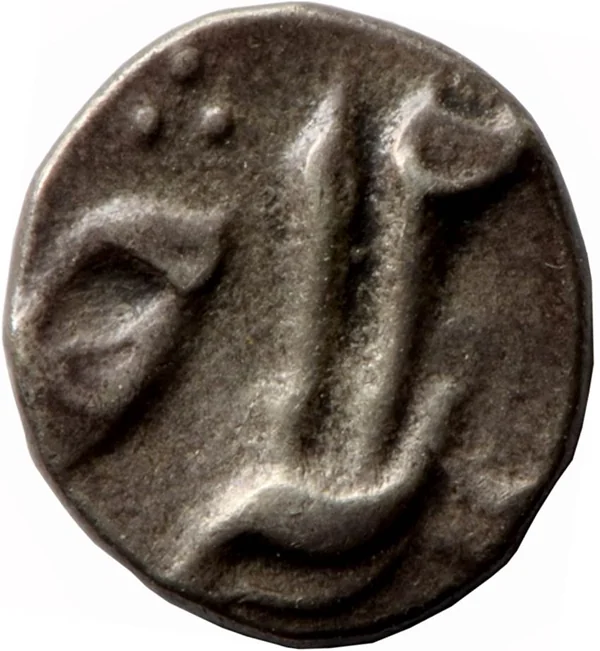
1⁄16 rupee – Bengal Presidency
Add to wishlist
India
Context
Material
Diameter: 10 mm
Weight: 0.71 g
Silver Weight:: 0.71 g
Shape: Irregular round
Composition: Silver
Magnetic: No
References
KM: #
Numista: #77328
Value
Bullion value: $1.81
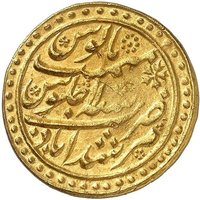
Obverse
Description:
Struck across seven realms by the grace of God, supporter of the faith Muhammad Shah Alam, Badshah.
Inscription:
شاه عالم بادشاه
حامي دين محمد
ساى فضل لله
سكة زد بر حفت كشور
حامي دين محمد
ساى فضل لله
سكة زد بر حفت كشور
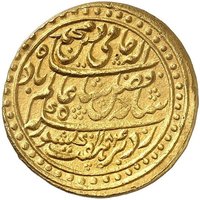
Reverse
Description:
Zarb Murshidabad, Year 12 of reign.
Edge
Plain
Mintings
| Year | Mint Mark | Mintage | Quality | Collection |
|---|---|---|---|---|
| — | — | — |
Historical background
In 1770, the Bengal Presidency was in the midst of a catastrophic famine, and its currency system was a complex and destabilising factor in the crisis. The monetary landscape was a hybrid of Mughal legacy and emerging Company control, primarily operating on a silver standard. The primary circulating coin was the silver sicca rupee, minted by the Company’s Calcutta Mint, but its value and purity were often contested against older, worn Mughal rupees. This created confusion and hindered trade, as merchants and revenue collectors debated exchange rates ("batta"), effectively imposing a hidden tax on transactions and eroding trust in the currency.
The East India Company, having assumed the diwani (revenue rights) in 1765, exacerbated the situation by demanding land revenue taxes to be paid almost exclusively in silver specie. This policy, combined with the Company’s own heavy export of silver bullion to finance its China tea trade, led to a severe drain of silver from the rural economy. As the famine took hold, peasants were forced to sell their remaining assets to obtain the required silver coins, driving down the value of goods while the demand for scarce silver skyrocketed, creating a devastating deflationary spiral for the starving population.
Consequently, the currency situation was not merely a background economic detail but a direct aggravator of the famine's severity. The rigid revenue demands in silver stripped the countryside of its liquid wealth at the very moment it was most needed for survival. The system benefited urban creditors and Company coffers but collapsed the rural subsistence economy, demonstrating how fiscal policy, when divorced from humanitarian reality, could turn a harvest failure into a demographic disaster that claimed millions of lives.
The East India Company, having assumed the diwani (revenue rights) in 1765, exacerbated the situation by demanding land revenue taxes to be paid almost exclusively in silver specie. This policy, combined with the Company’s own heavy export of silver bullion to finance its China tea trade, led to a severe drain of silver from the rural economy. As the famine took hold, peasants were forced to sell their remaining assets to obtain the required silver coins, driving down the value of goods while the demand for scarce silver skyrocketed, creating a devastating deflationary spiral for the starving population.
Consequently, the currency situation was not merely a background economic detail but a direct aggravator of the famine's severity. The rigid revenue demands in silver stripped the countryside of its liquid wealth at the very moment it was most needed for survival. The system benefited urban creditors and Company coffers but collapsed the rural subsistence economy, demonstrating how fiscal policy, when divorced from humanitarian reality, could turn a harvest failure into a demographic disaster that claimed millions of lives.
✨ Legendary