

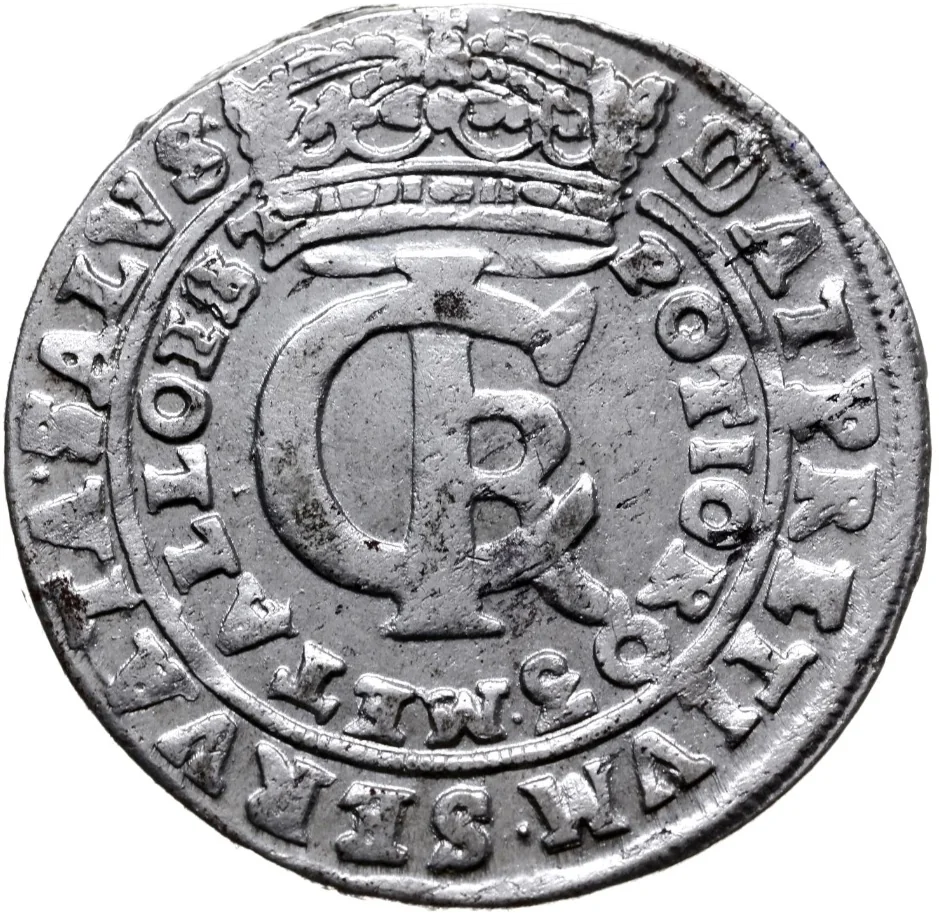
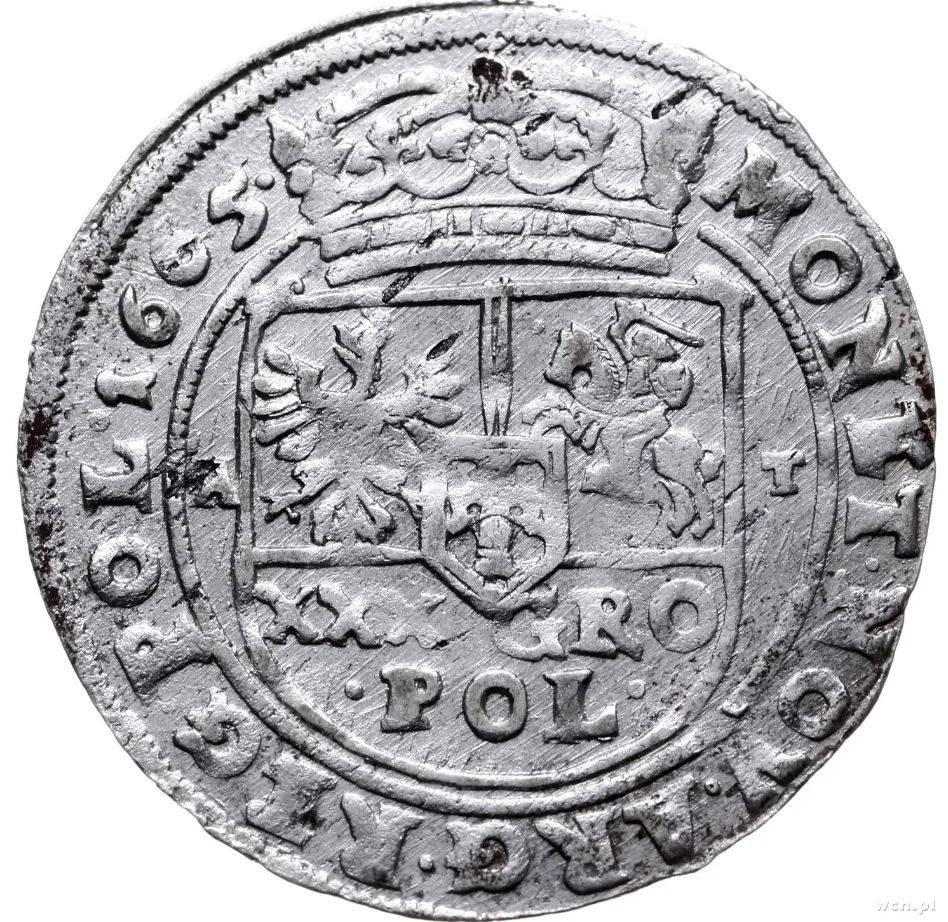
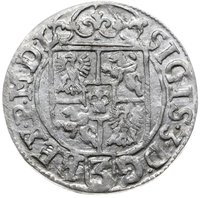
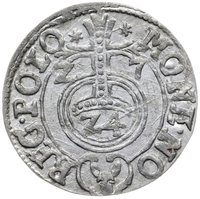
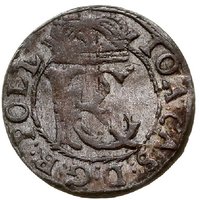
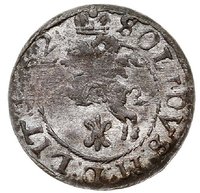
1 zloty – Polish–Lithuanian Commonwealth
Add to wishlist
Poland
Context
Years: 1633–1666
Country: Poland
Issuer: Polish–Lithuanian Commonwealth
Ruler: John II Casimir Vasa
Currency:
(1573—1795)
Demonetized: Yes
Material
References
KM: #
Numista: #25820
Value
Bullion value: $8.39
Mints
| Name | Mark |
|---|---|
| Bydgoszcz | — |
Mintings
| Year | Mint Mark | Mintage | Quality | Collection |
|---|---|---|---|---|
| 1633 | — | — | ||
| 1661 | — | — | ||
| 1663 | — | — | ||
| 1664 | — | — | ||
| 1665 | — | — | ||
| 1666 | — | — |
Historical background
In 1633, the Polish–Lithuanian Commonwealth was grappling with a severe and multifaceted monetary crisis, rooted in the policies of its previous monarch, Sigismund III Vasa. During his reign, the royal mints, particularly the one in Bydgoszcz, had engaged in extensive debasement—systematically reducing the silver content in coins like the tymf and the szeląg to generate immediate profit for the crown and to fund military campaigns, including the prolonged wars with Sweden. This practice flooded the Commonwealth with low-value, unstable currency, eroding public trust and disrupting the economy.
The consequences were dire and widespread. Good-quality foreign coins, especially the sturdy German thalers, were hoarded or used for foreign trade, leading to a shortage of reliable money in domestic circulation. This phenomenon, known as Gresham's Law ("bad money drives out good"), meant that everyday transactions were conducted with increasingly worthless copper and debased silver coins, causing rampant inflation. Merchants, peasants, and soldiers alike suffered as prices soared and the real value of wages and savings collapsed, creating social unrest and straining the vast, agrarian-based economy.
The newly crowned King Władysław IV Vasa, who assumed the throne in 1632, inherited this chaotic financial situation as one of his most pressing challenges. The Sejm (parliament) was acutely aware of the need for reform, and 1633 fell within a period of intense deliberation that would lead to the monetary reforms of 1634-1635. These subsequent reforms aimed to stabilize the currency by establishing fixed exchange rates, controlling mint output, and introducing new, full-value coins, marking a critical attempt to restore fiscal order to the Commonwealth.
The consequences were dire and widespread. Good-quality foreign coins, especially the sturdy German thalers, were hoarded or used for foreign trade, leading to a shortage of reliable money in domestic circulation. This phenomenon, known as Gresham's Law ("bad money drives out good"), meant that everyday transactions were conducted with increasingly worthless copper and debased silver coins, causing rampant inflation. Merchants, peasants, and soldiers alike suffered as prices soared and the real value of wages and savings collapsed, creating social unrest and straining the vast, agrarian-based economy.
The newly crowned King Władysław IV Vasa, who assumed the throne in 1632, inherited this chaotic financial situation as one of his most pressing challenges. The Sejm (parliament) was acutely aware of the need for reform, and 1633 fell within a period of intense deliberation that would lead to the monetary reforms of 1634-1635. These subsequent reforms aimed to stabilize the currency by establishing fixed exchange rates, controlling mint output, and introducing new, full-value coins, marking a critical attempt to restore fiscal order to the Commonwealth.
⭐ Somewhat Rare