

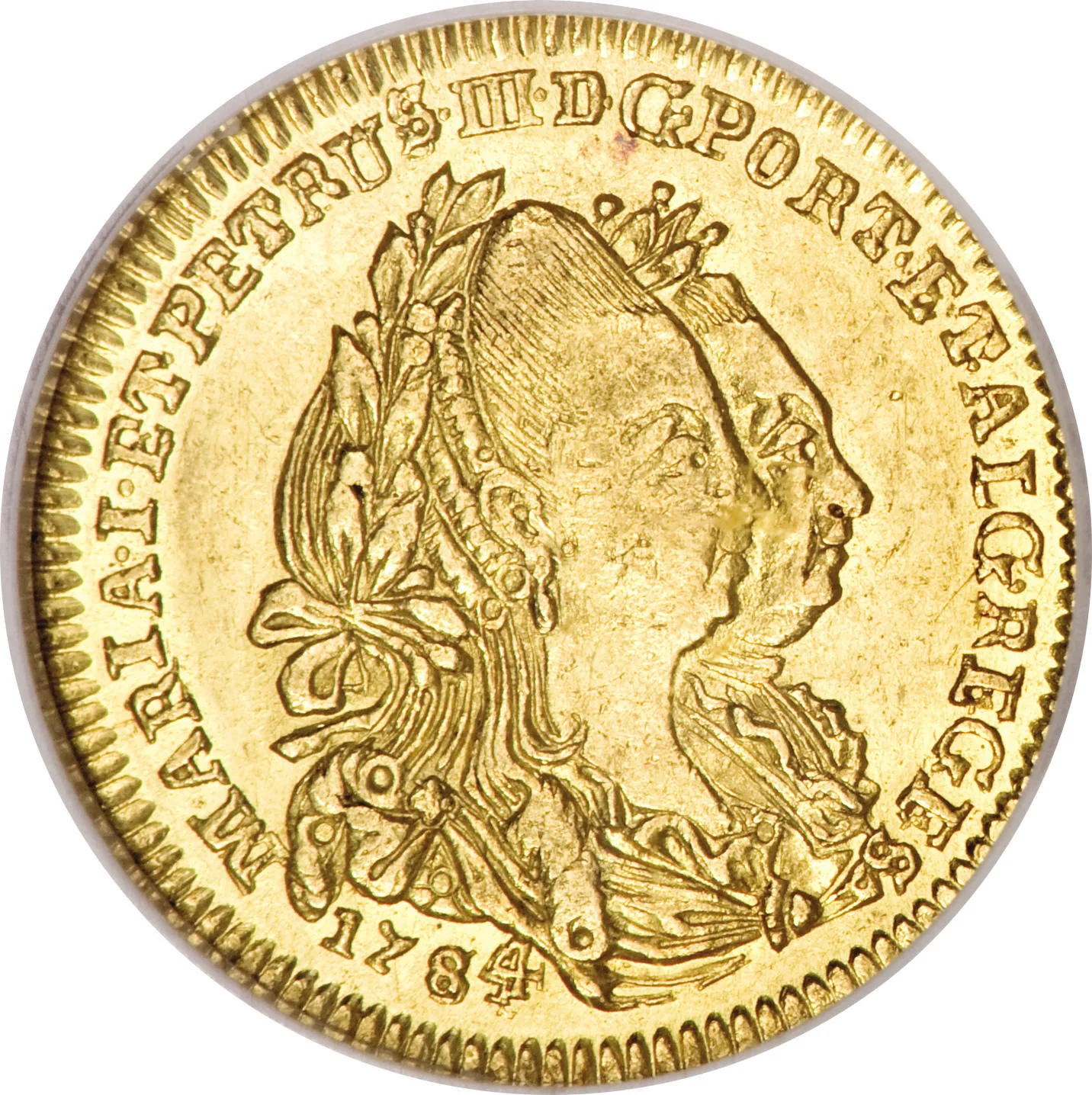
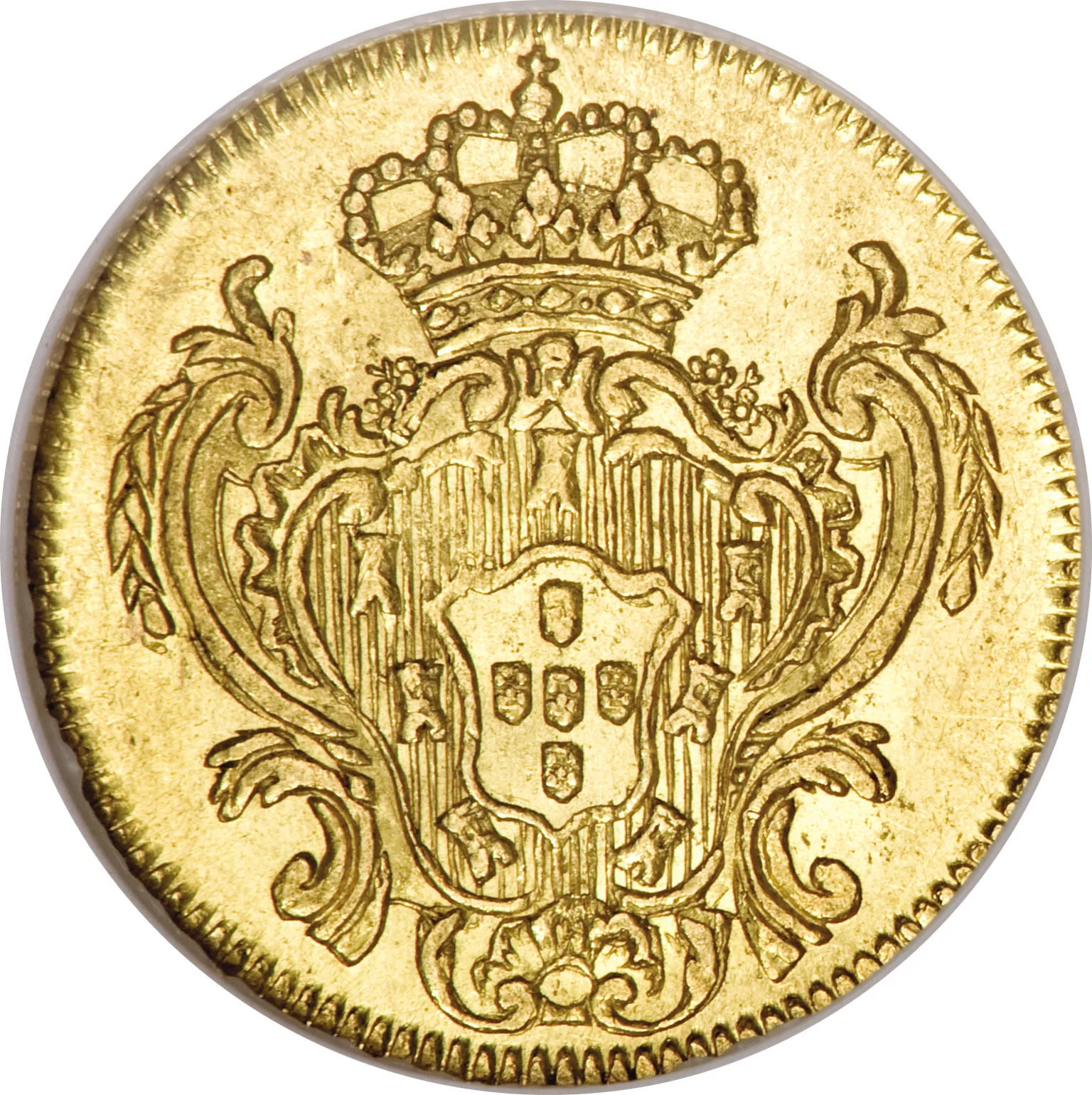
½ escudo – Portugal
Add to wishlist
Standard circulation coins
Series: Bust
Portugal
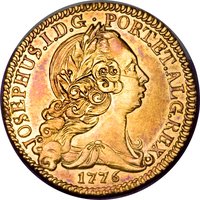
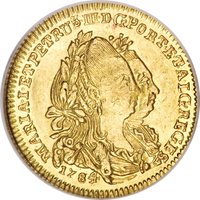
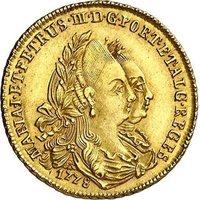
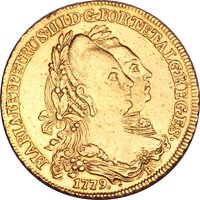
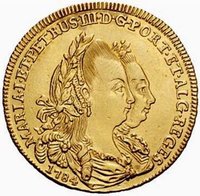
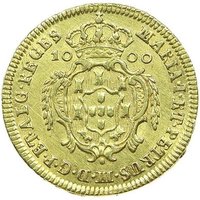
Obverse
Inscription:
MARIA.I.ET.PETRUS.III.D.G.PORT.ET.ALG.REGES
1784
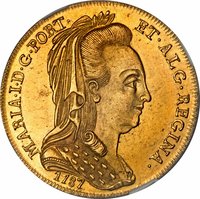
1784
Script: Latin
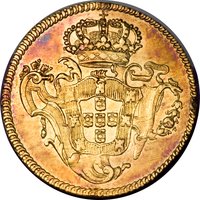
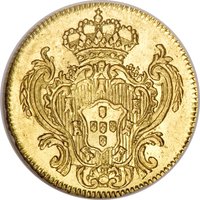
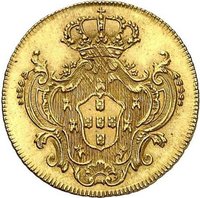
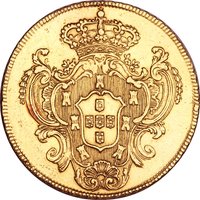
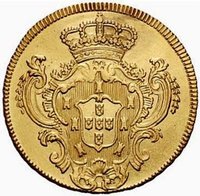
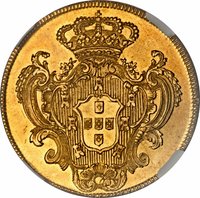
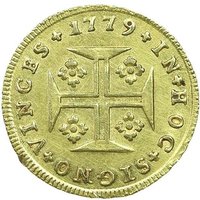
Reverse
Edge
String shape
Mints
| Name | Mark |
|---|---|
| Imprensa Nacional - Casa da Moeda | — |
| Bahia | B |
Mintings
Historical background
In 1777, Portugal's currency situation was a complex and strained system, reflecting the broader economic challenges of the late 18th century. The monetary landscape was characterized by a severe shortage of gold and silver coinage, the traditional backbone of state finance and international trade. This scarcity stemmed from declining gold output from Brazil, Portugal's principal colony, and the massive outflow of specie to pay for imports, particularly from Britain under the terms of the Methuen Treaty. Consequently, the economy relied heavily on a confusing proliferation of low-value copper and billon (debased silver) coins for everyday transactions, while much high-value commerce was conducted through credit instruments and foreign coin.
The reign of King José I, which ended with his death in 1777, had seen the powerful Marquis of Pombal attempt to address these issues through mercantilist policies and the establishment of monopolistic trading companies. However, the system remained unstable. The official currency, the real (plural réis), was a unit of account used for bookkeeping, but the physical coins in circulation often had their nominal value officially manipulated by the crown. This practice of debasement and revaluation, intended to stretch state revenues and manage debt, created chronic inflation, public confusion, and a loss of confidence in the currency.
The ascension of Queen Maria I in 1777 marked a pivotal moment, as she began to dismantle Pombal's regime. While immediate monetary overhaul was not her first act, the economic philosophy shifted. The new government sought to stabilize and simplify the currency system, moving away from arbitrary manipulations. The pressing task was to restore fiscal order and credibility, laying the groundwork for future reforms that would eventually include attempts to standardize the coinage and address the crippling national debt, much of which was owed to foreign creditors. Thus, the currency situation in 1777 was one of inherited disorder, poised at the beginning of a new, more cautious political era.
The reign of King José I, which ended with his death in 1777, had seen the powerful Marquis of Pombal attempt to address these issues through mercantilist policies and the establishment of monopolistic trading companies. However, the system remained unstable. The official currency, the real (plural réis), was a unit of account used for bookkeeping, but the physical coins in circulation often had their nominal value officially manipulated by the crown. This practice of debasement and revaluation, intended to stretch state revenues and manage debt, created chronic inflation, public confusion, and a loss of confidence in the currency.
The ascension of Queen Maria I in 1777 marked a pivotal moment, as she began to dismantle Pombal's regime. While immediate monetary overhaul was not her first act, the economic philosophy shifted. The new government sought to stabilize and simplify the currency system, moving away from arbitrary manipulations. The pressing task was to restore fiscal order and credibility, laying the groundwork for future reforms that would eventually include attempts to standardize the coinage and address the crippling national debt, much of which was owed to foreign creditors. Thus, the currency situation in 1777 was one of inherited disorder, poised at the beginning of a new, more cautious political era.
Series: Bust
✨ Legendary