

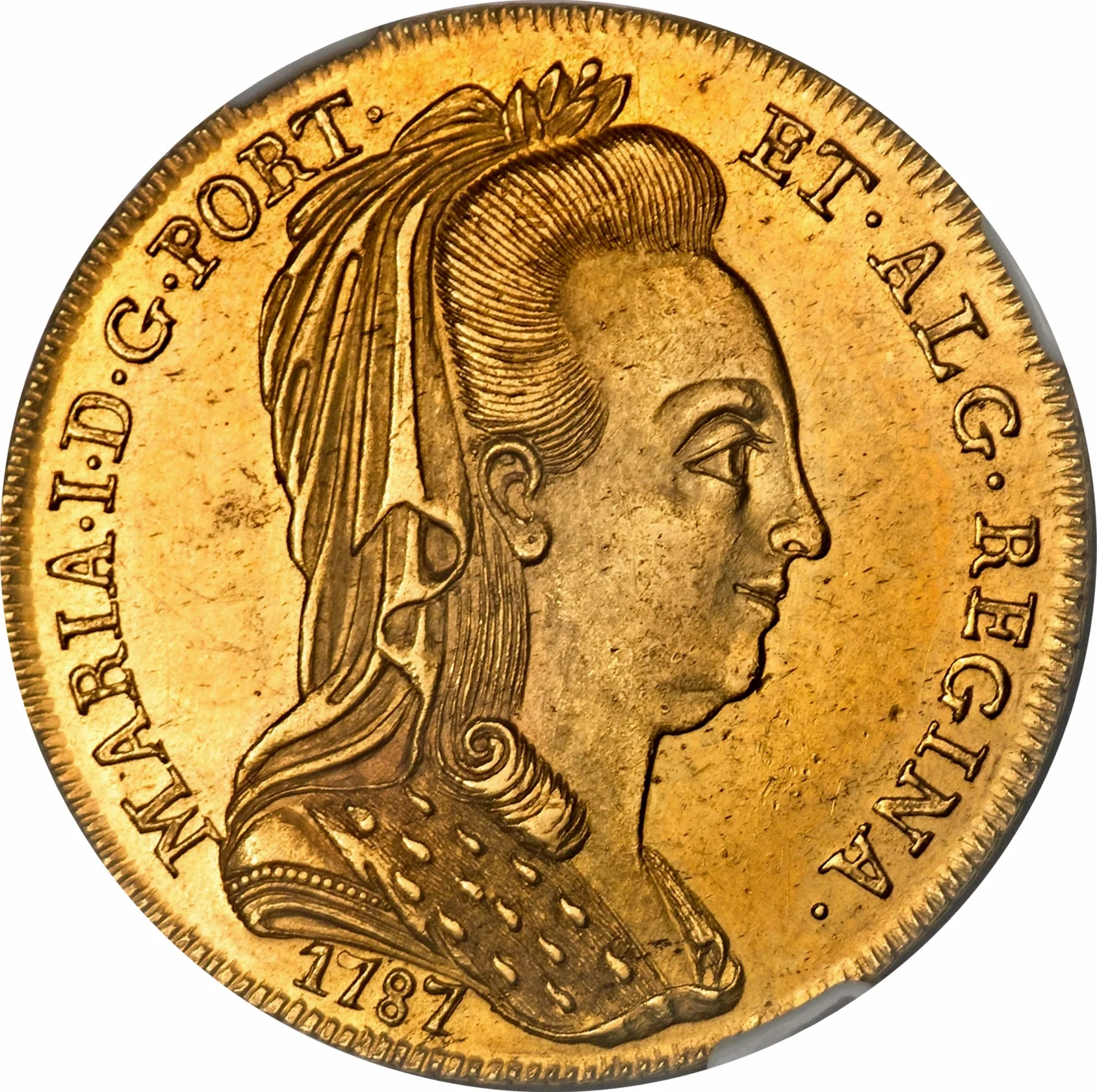
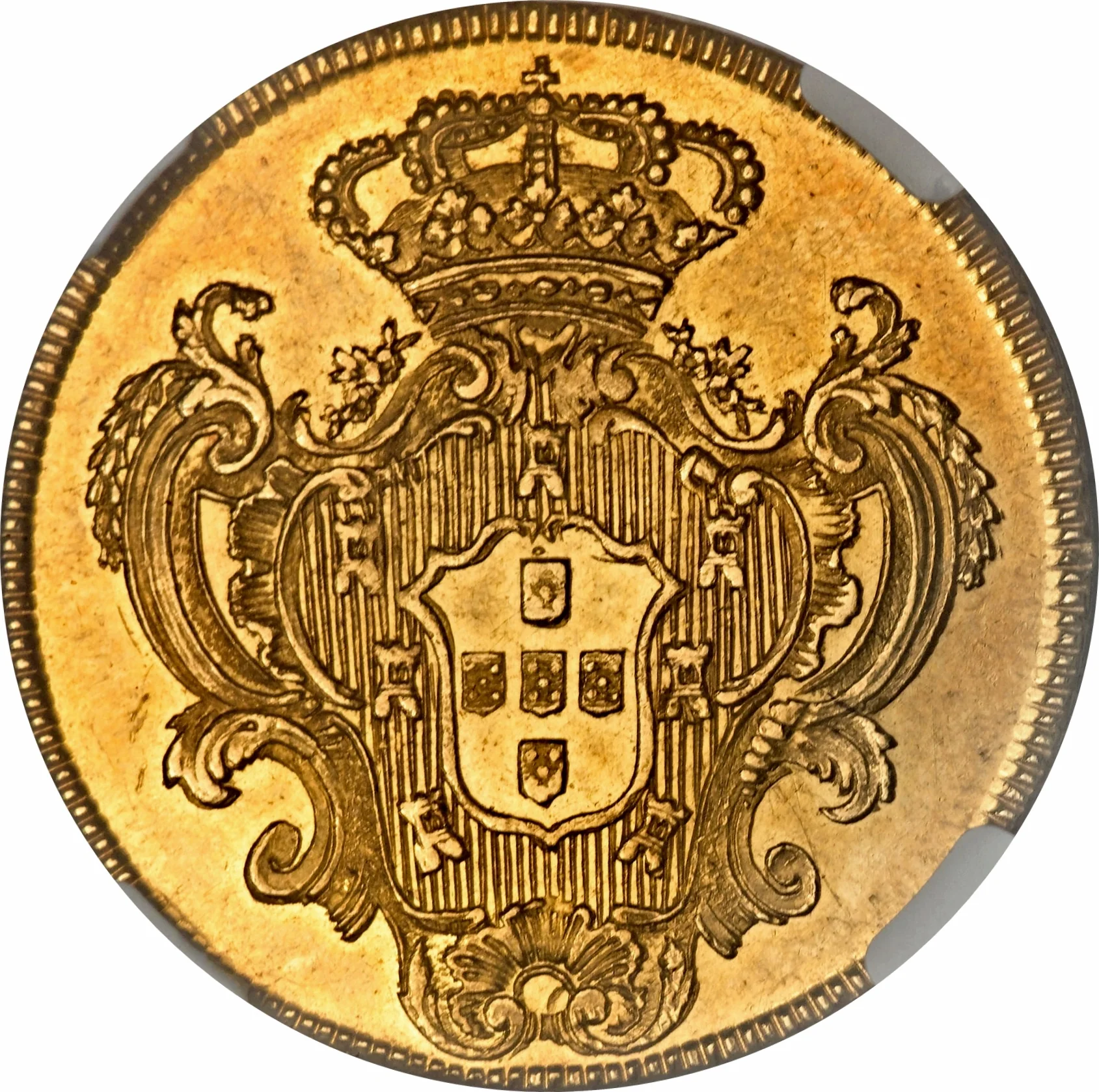
Peça – Portugal
Standard circulation coins
Series: Bust
Portugal
Context

Material
References
KM: #Click to copy to clipboard295
Numista: #71415
Value
Bullion value: $2191.79
Mints
| Name | Mark |
|---|---|
| Imprensa Nacional - Casa da Moeda | — |
| Bahia | B |
| Casa da Moeda do Brasil | R |
Mintings
Historical background
In 1786, Portugal operated under a complex and strained monetary system, largely a legacy of the reign of King José I and his powerful minister, the Marquis of Pombal. The primary circulating coin was the real (plural: réis), with values often counted in the thousands (milréis). However, the currency landscape was fragmented and problematic. A severe shortage of gold and silver coinage, stemming from declining Brazilian gold mines and trade deficits, was exacerbated by a proliferation of worn, clipped, and counterfeit coins. Furthermore, different values of coins, including Spanish pieces, circulated simultaneously at fluctuating rates, creating confusion and hindering commerce.
The state’s response, particularly under Pombal’s earlier direction, had been to repeatedly debase the coinage—reducing the precious metal content while maintaining face value—to finance state expenditures, especially following the costly 1755 Lisbon earthquake. This practice eroded public trust in the currency and contributed to inflationary pressures. By 1786, during the reign of Queen Maria I, the financial system was burdened by these inherited issues. The economy was also adjusting to the 1786 commercial treaty with Great Britain, which, while stimulating trade, likely exacerbated the outflow of specie (gold and silver), worsening the coin shortage.
Consequently, the monetary situation in 1786 was one of fragility and transition. The crown faced the pressing challenge of stabilizing the currency, restoring its intrinsic value, and simplifying the chaotic circulation to support economic activity. This environment set the stage for future attempts at reform, most notably the major currency overhaul that would come in the following decade with the introduction of the real of gold and the real of silver as standards in 1797, aiming to bring order to Portugal’s troubled finances.
The state’s response, particularly under Pombal’s earlier direction, had been to repeatedly debase the coinage—reducing the precious metal content while maintaining face value—to finance state expenditures, especially following the costly 1755 Lisbon earthquake. This practice eroded public trust in the currency and contributed to inflationary pressures. By 1786, during the reign of Queen Maria I, the financial system was burdened by these inherited issues. The economy was also adjusting to the 1786 commercial treaty with Great Britain, which, while stimulating trade, likely exacerbated the outflow of specie (gold and silver), worsening the coin shortage.
Consequently, the monetary situation in 1786 was one of fragility and transition. The crown faced the pressing challenge of stabilizing the currency, restoring its intrinsic value, and simplifying the chaotic circulation to support economic activity. This environment set the stage for future attempts at reform, most notably the major currency overhaul that would come in the following decade with the introduction of the real of gold and the real of silver as standards in 1797, aiming to bring order to Portugal’s troubled finances.
Series: Bust
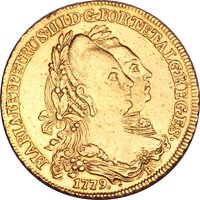
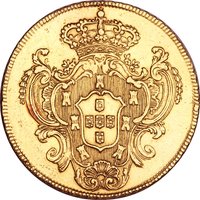
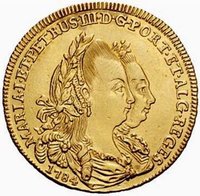
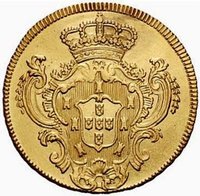
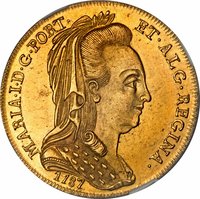
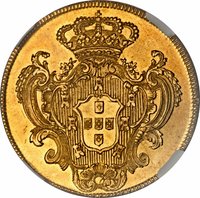
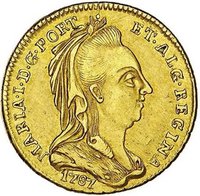
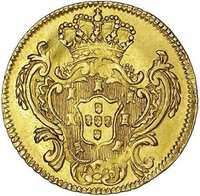
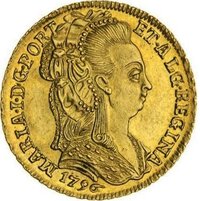
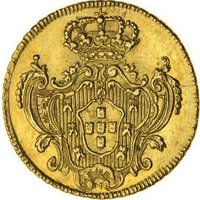
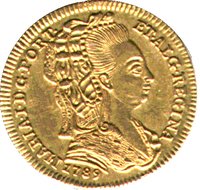
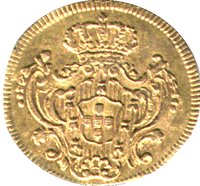
✨ Legendary