

Switzerland

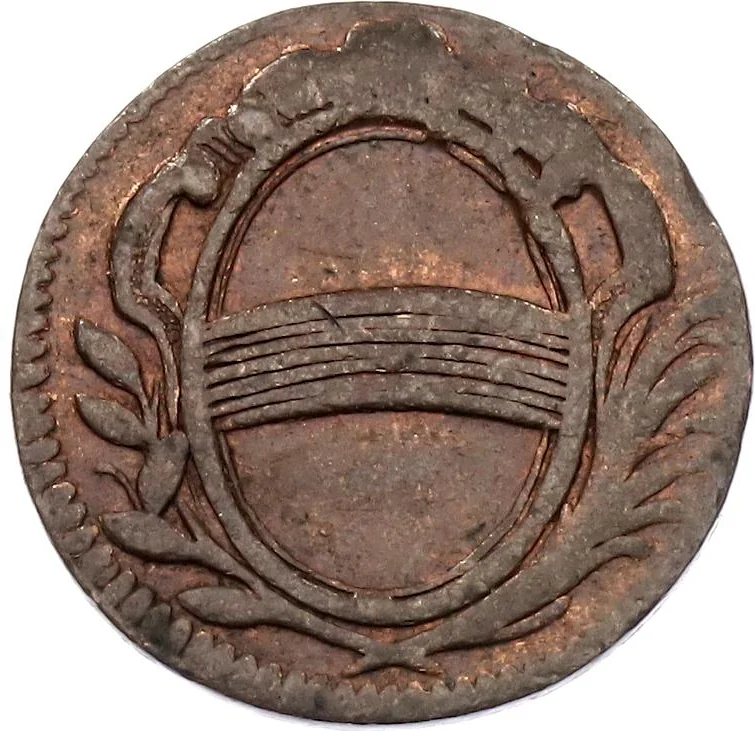
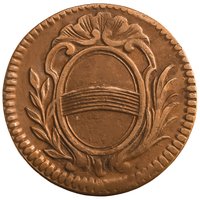
Obverse
Description:
Oval arms amid palm and laurel.
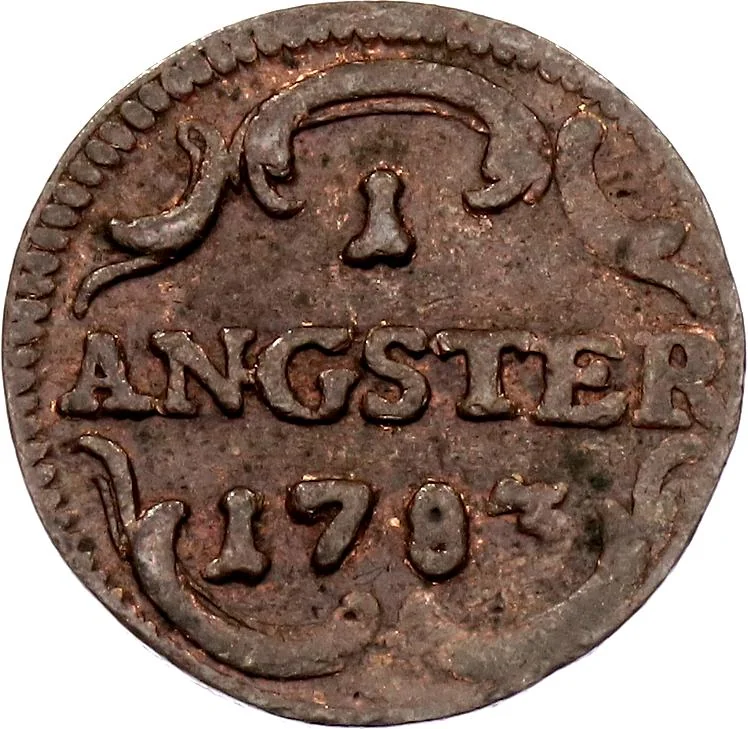
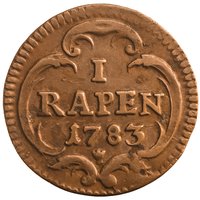
Reverse
Edge
Mintings
| Year | Mint Mark | Mintage | Quality | Collection |
|---|---|---|---|---|
| 1778 | — | — | ||
| 1781 | — | — | ||
| 1782 | — | — | ||
| 1783 | — | — | ||
| 1784 | — | — | ||
| 1791 | — | — | ||
| 1794 | — | — | ||
| 1796 | — | — | ||
| 1804 | — | — |
Historical background
In 1778, the Swiss canton of Zug, like much of the Old Swiss Confederacy, existed within a complex and fragmented monetary landscape. It did not issue its own official canton currency but operated within a sphere of competing circulating coins. The primary legal tender for larger transactions was the Konventionsmünze system, a silver standard adopted by several southern German states and Austrian territories, which included coins like the Konventionstaler. This provided a stable benchmark for trade and official accounts, linking Zug's economy to its powerful northern neighbours.
However, the daily reality for Zug's merchants and citizens was one of monetary diversity and confusion. A plethora of foreign coins circulated freely, including French Louis d'or, Spanish thalers, and various coins from other Swiss cantons like Bern and Zurich, each with their own fluctuating intrinsic value. This necessitated constant reference to published exchange lists (Wechselzettel). Furthermore, small change for everyday market purchases was chronically scarce, often filled by worn, clipped, or even counterfeit Batzen and Kreuzer coins, leading to disputes and inefficiency in local commerce.
The situation was further strained by the global influx of silver from the Americas, which affected the relative value of metals, and by the political structure of the Confederacy itself. Without a central minting authority, cantons were largely powerless to control the money supply. For Zug, a small, predominantly agricultural canton, this monetary patchwork posed a persistent challenge, complicating tax collection, trade, and savings, and highlighting the tension between local economic life and the broader, unregulated currents of European finance.
However, the daily reality for Zug's merchants and citizens was one of monetary diversity and confusion. A plethora of foreign coins circulated freely, including French Louis d'or, Spanish thalers, and various coins from other Swiss cantons like Bern and Zurich, each with their own fluctuating intrinsic value. This necessitated constant reference to published exchange lists (Wechselzettel). Furthermore, small change for everyday market purchases was chronically scarce, often filled by worn, clipped, or even counterfeit Batzen and Kreuzer coins, leading to disputes and inefficiency in local commerce.
The situation was further strained by the global influx of silver from the Americas, which affected the relative value of metals, and by the political structure of the Confederacy itself. Without a central minting authority, cantons were largely powerless to control the money supply. For Zug, a small, predominantly agricultural canton, this monetary patchwork posed a persistent challenge, complicating tax collection, trade, and savings, and highlighting the tension between local economic life and the broader, unregulated currents of European finance.
💎 Extremely Rare