

Switzerland

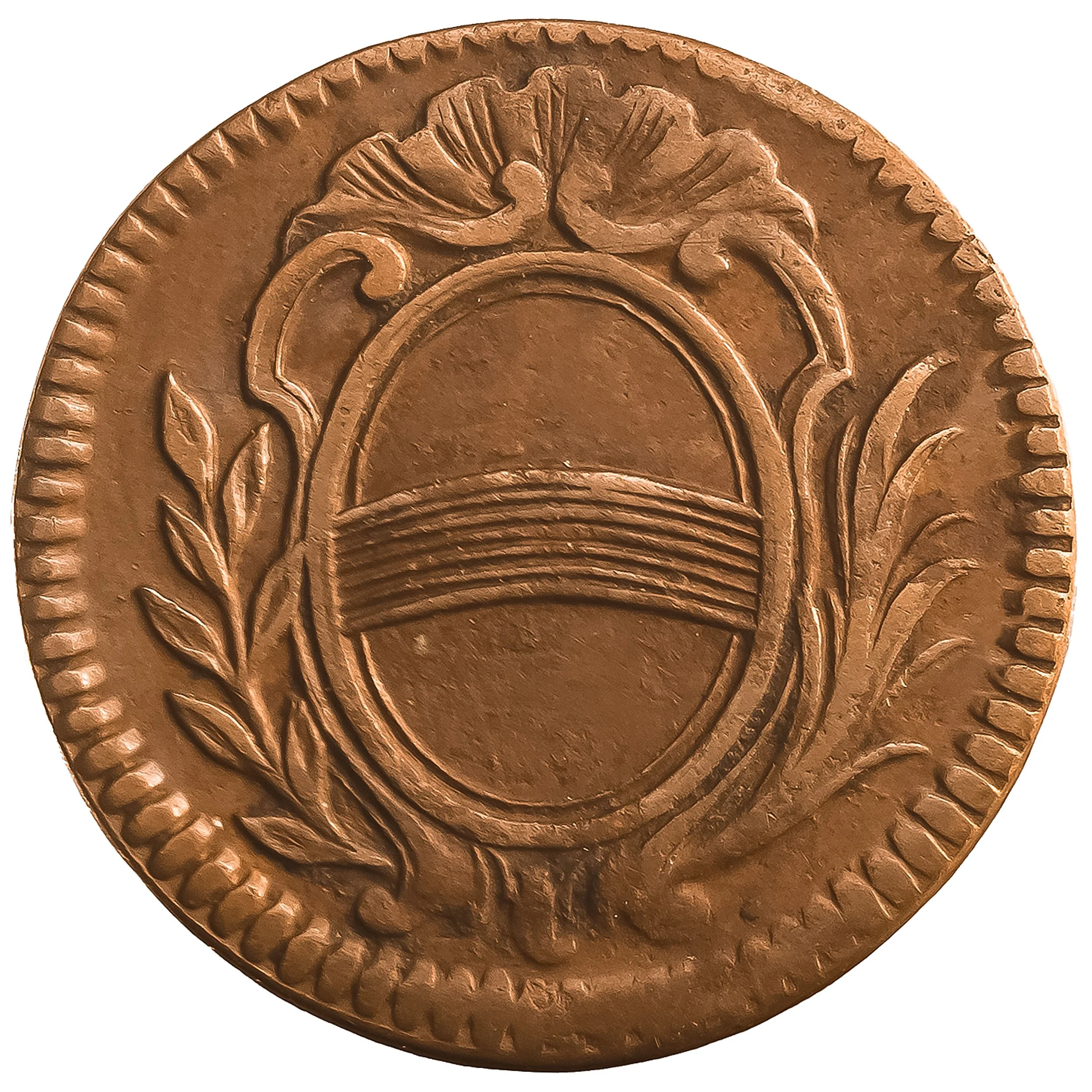
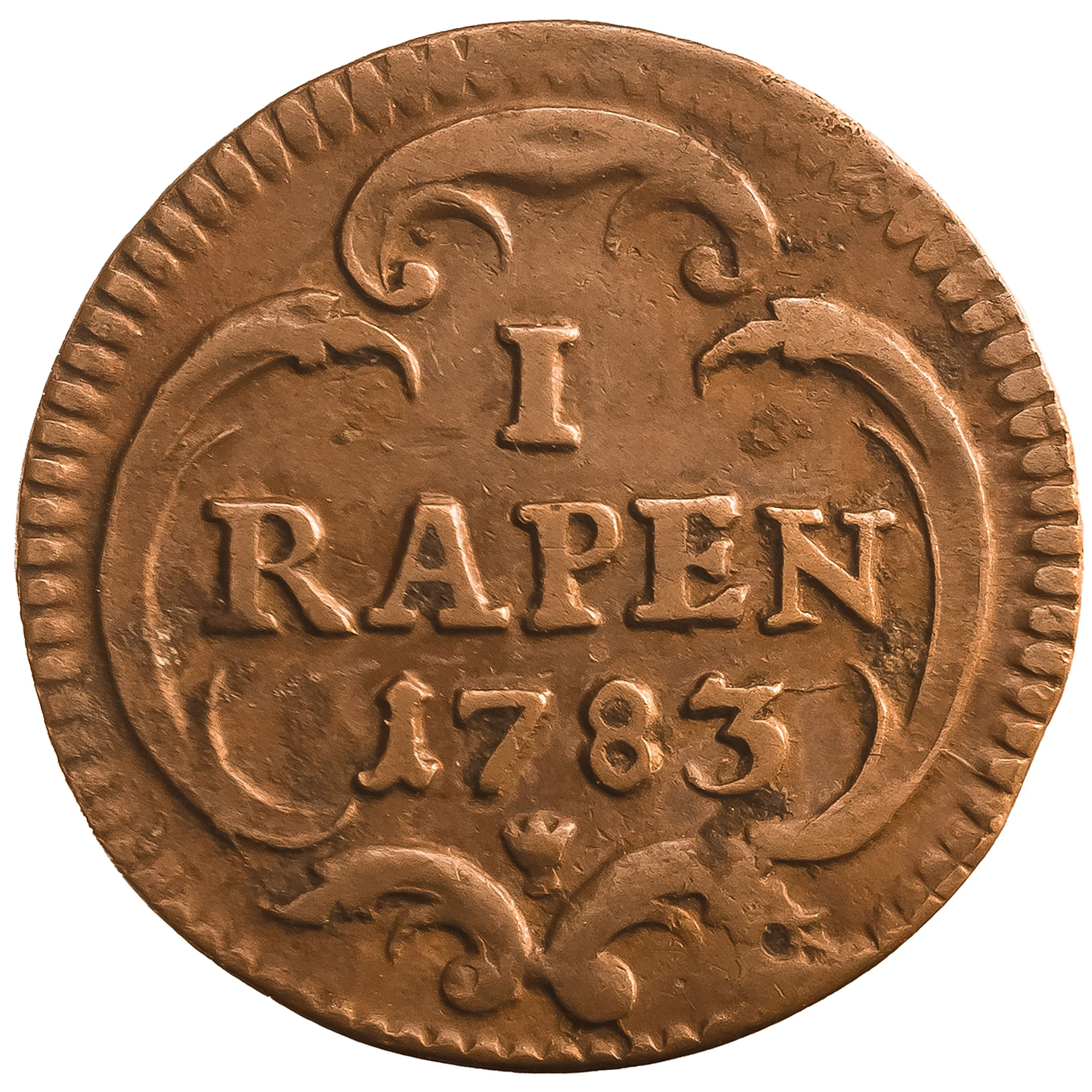
Obverse
Description:
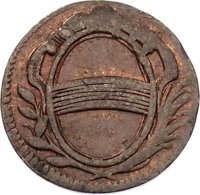
Oval arms amid sprigs.
Reverse
Edge
Categories
| Symbols> Coat of Arms |
Mintings
| Year | Mint Mark | Mintage | Quality | Collection |
|---|---|---|---|---|
| 1782 | — | — | ||
| 1783 | — | — | ||
| 1785 | — | — | ||
| 1794 | — | — | ||
| 1805 | — | — |
Historical background
In 1782, the Swiss canton of Zug, like much of the Old Swiss Confederacy, faced a complex and fragmented monetary landscape. It did not issue its own coins but operated within a system where numerous foreign currencies circulated simultaneously. The most important of these were the Bernese Thaler and Batzen, due to Bern's political and economic dominance, alongside a steady influx of coins from other Swiss cantons, the Holy Roman Empire (particularly from Austria and the southern German states), France, and Italy. This proliferation created a daily challenge for merchants and citizens, who had to constantly evaluate and convert between coins of varying metal content, weight, and legitimacy.
The core of the problem was the chronic shortage of small-denomination coins for everyday transactions, coupled with the widespread debasement of coinage by various issuing authorities. Foreign princes and cantons frequently reduced the precious metal content in their coins to finance debts or wars, leading to an influx of "bad money" that drove "good money" (full-weight coins) out of circulation, in accordance with Gresham's Law. This eroded public trust and caused price instability, as the actual value of a coin in one's hand was often less than its stated face value. For Zug's agrarian economy and growing mercantile activity, this uncertainty hampered trade and complicated simple purchases.
While Zug itself had no mint, the cantonal authorities were not passive. In 1782, they were actively engaged in the ongoing struggle to regulate this chaotic system by publishing official "currency tariffs" (Münzpläne). These decrees attempted to fix the exchange rates for the multitude of circulating coins relative to a stable accounting unit, the Zug Pfund. However, these tariffs were difficult to enforce and required frequent updates as new debased coins entered the market. Thus, the situation in 1782 was one of persistent monetary disorder, demanding constant vigilance from the council to protect the canton's economy from the worst effects of a destabilized currency zone.
The core of the problem was the chronic shortage of small-denomination coins for everyday transactions, coupled with the widespread debasement of coinage by various issuing authorities. Foreign princes and cantons frequently reduced the precious metal content in their coins to finance debts or wars, leading to an influx of "bad money" that drove "good money" (full-weight coins) out of circulation, in accordance with Gresham's Law. This eroded public trust and caused price instability, as the actual value of a coin in one's hand was often less than its stated face value. For Zug's agrarian economy and growing mercantile activity, this uncertainty hampered trade and complicated simple purchases.
While Zug itself had no mint, the cantonal authorities were not passive. In 1782, they were actively engaged in the ongoing struggle to regulate this chaotic system by publishing official "currency tariffs" (Münzpläne). These decrees attempted to fix the exchange rates for the multitude of circulating coins relative to a stable accounting unit, the Zug Pfund. However, these tariffs were difficult to enforce and required frequent updates as new debased coins entered the market. Thus, the situation in 1782 was one of persistent monetary disorder, demanding constant vigilance from the council to protect the canton's economy from the worst effects of a destabilized currency zone.
💎 Very Rare