

1 Penny – United Kingdom
United Kingdom
Context

Material
References
KM: #Click to copy to clipboard610
Numista: #24795
Value
Bullion value: $1.34
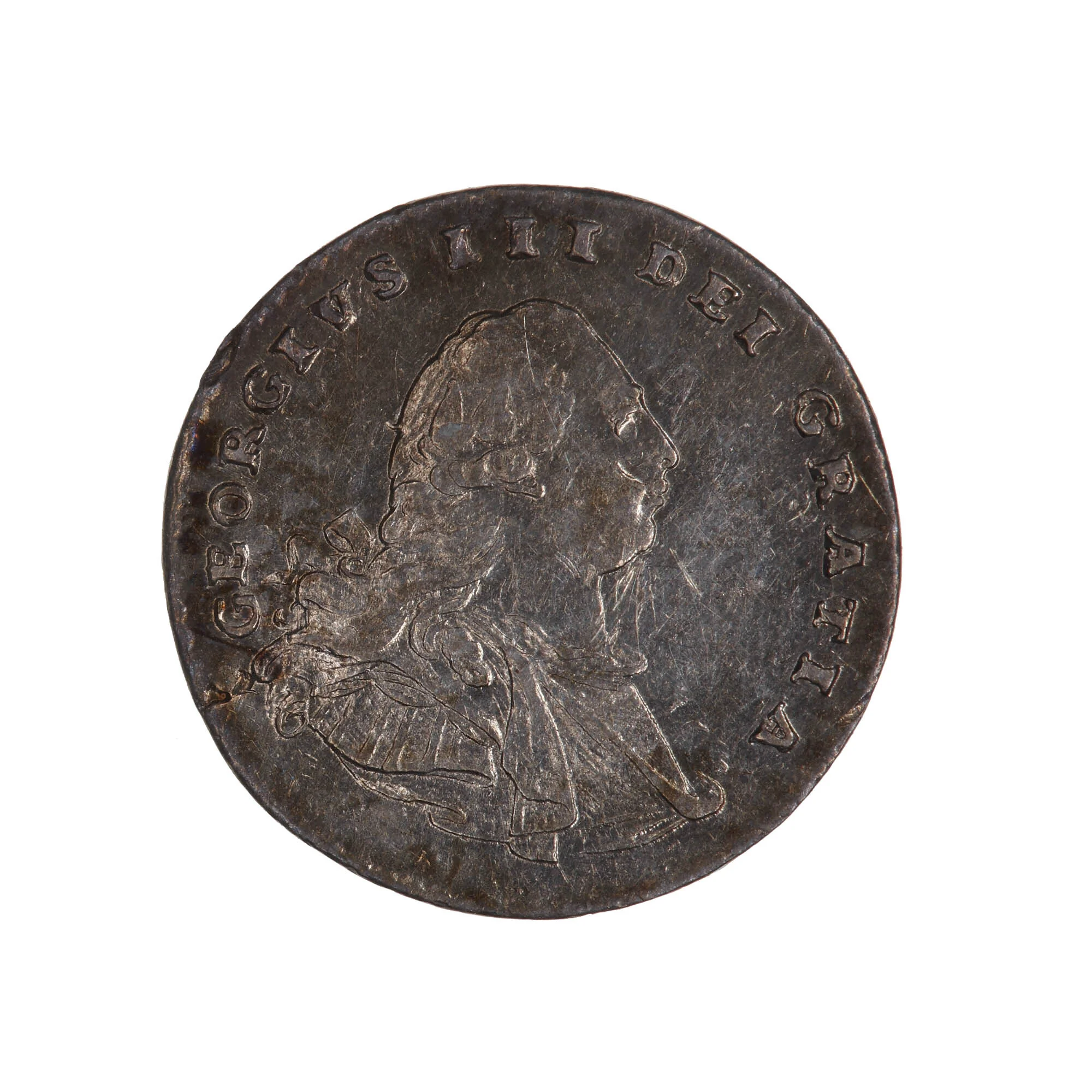
Obverse
Description:
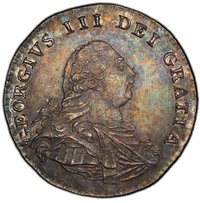
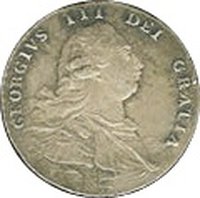
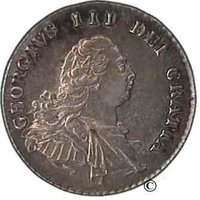
King George III bust right, legend around.
Inscription:
GEORGIVS III DEI GRATIA
Script: Latin
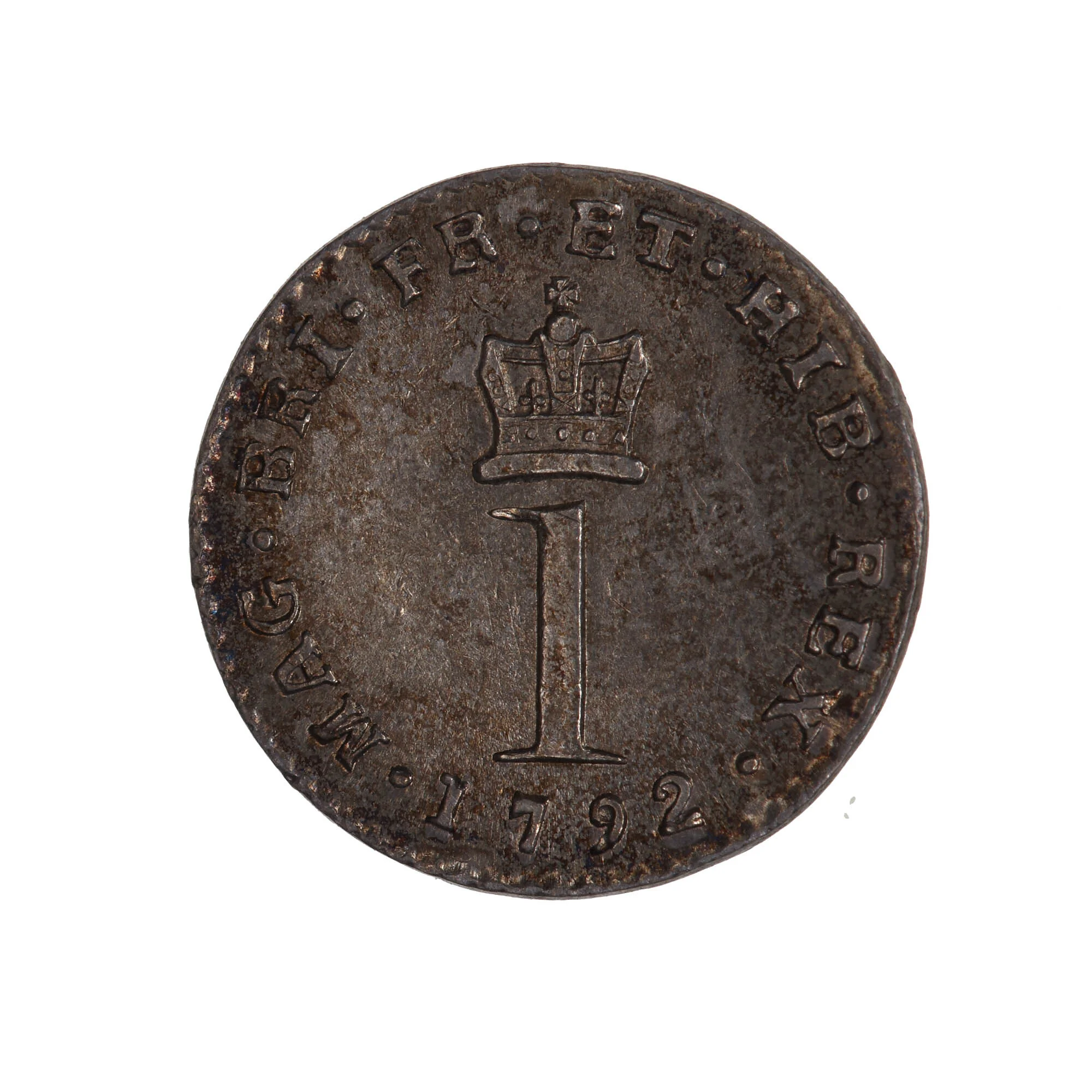
Reverse
Description:
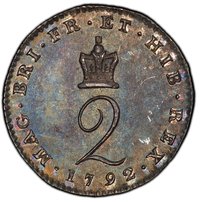
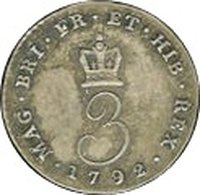
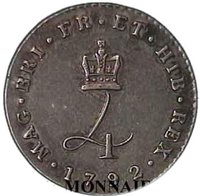
Central crown above date, legend around. Note: thin 'Wire Money' numeral.
Inscription:
MAG·BRI·FR·ET·HIB·REX
1
·1792·
1
·1792·
Script: Latin
Edge
Mints
| Name | Mark |
|---|---|
| Royal Mint (Tower of London) | — |
Mintings
| Year | Mint Mark | Mintage | Quality | Collection |
|---|---|---|---|---|
| 1792 | — | — |
Historical background
In 1792, the United Kingdom operated under a bimetallic system, with both gold and silver serving as legal tender. The cornerstone was Sir Isaac Newton’s 1717 valuation, which inadvertently set the gold-to-silver ratio slightly too low, making it more profitable to pay debts in silver and export gold. This led to a gradual but persistent drain of full-weight gold coinage from circulation. Consequently, the most commonly used coins in daily life were often worn, clipped, or counterfeit silver shillings and copper pennies, creating a chronic shortage of reliable small change and hampering everyday commerce.
The situation was exacerbated by the demands of the early Industrial Revolution and ongoing wars, particularly with revolutionary France from 1793. Government war expenditure soared, financed heavily by borrowing from the Bank of England. This triggered inflationary pressures and placed immense strain on the nation’s bullion reserves. The Bank of England, in response, began to restrict the conversion of its banknotes into gold, a move that foreshadowed the suspension of cash payments in 1797. Thus, 1792 stood on a precarious precipice, with the circulating coinage in a degraded state and the paper credit system nearing a crisis of confidence.
Against this unstable backdrop, a significant reform was being planned. In 1792, the Chancellor of the Exchequer, John Sainsbury, commissioned a major recoinage to address the currency chaos. Designs for new, mill-edged copper coins and improved silver were prepared by the engraver James Tassie. However, the outbreak of war with France in February 1793 delayed this critical overhaul. Therefore, 1792 represents a pivotal moment of recognition—the government acknowledged the severe currency problems, but the solutions were postponed by the impending conflict, leaving the monetary system vulnerable as it entered a period of unprecedented financial strain.
The situation was exacerbated by the demands of the early Industrial Revolution and ongoing wars, particularly with revolutionary France from 1793. Government war expenditure soared, financed heavily by borrowing from the Bank of England. This triggered inflationary pressures and placed immense strain on the nation’s bullion reserves. The Bank of England, in response, began to restrict the conversion of its banknotes into gold, a move that foreshadowed the suspension of cash payments in 1797. Thus, 1792 stood on a precarious precipice, with the circulating coinage in a degraded state and the paper credit system nearing a crisis of confidence.
Against this unstable backdrop, a significant reform was being planned. In 1792, the Chancellor of the Exchequer, John Sainsbury, commissioned a major recoinage to address the currency chaos. Designs for new, mill-edged copper coins and improved silver were prepared by the engraver James Tassie. However, the outbreak of war with France in February 1793 delayed this critical overhaul. Therefore, 1792 represents a pivotal moment of recognition—the government acknowledged the severe currency problems, but the solutions were postponed by the impending conflict, leaving the monetary system vulnerable as it entered a period of unprecedented financial strain.
💎 Extremely Rare