

1 Speciedaler – Norway
Norway
Context

Material
References
KM: #Click to copy to clipboard8
Numista: #109480
Value
Bullion value: $73.02
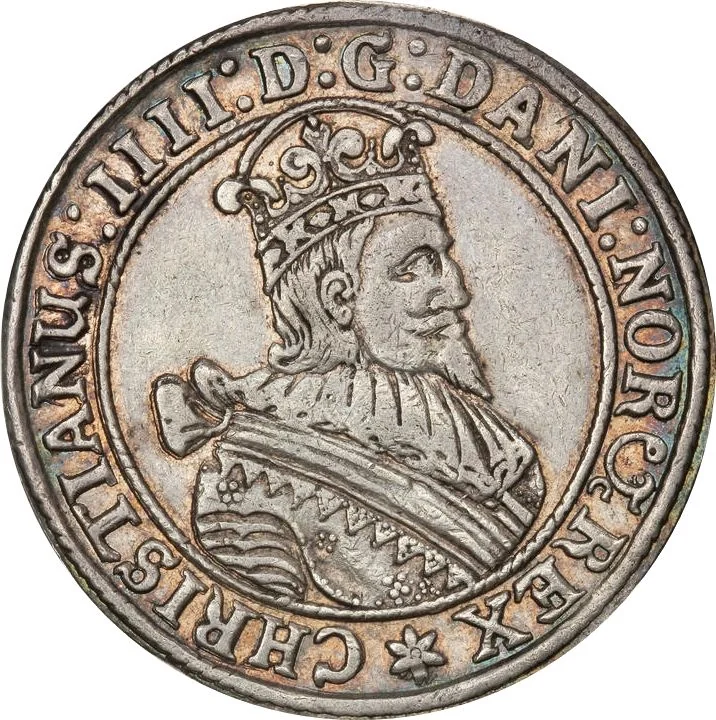
Obverse
Description:
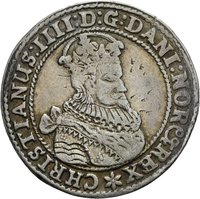
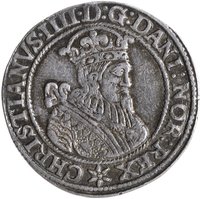
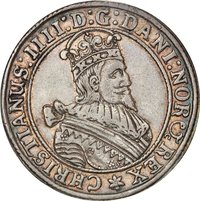
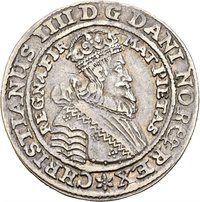
Right-facing bust of Christian IV in high collar, within beaded circle and rim legend. Beaded edge.
Inscription:
CHRISTIANUS:IIII:D:G:DAN:NOR&REX✽
Script: Latin
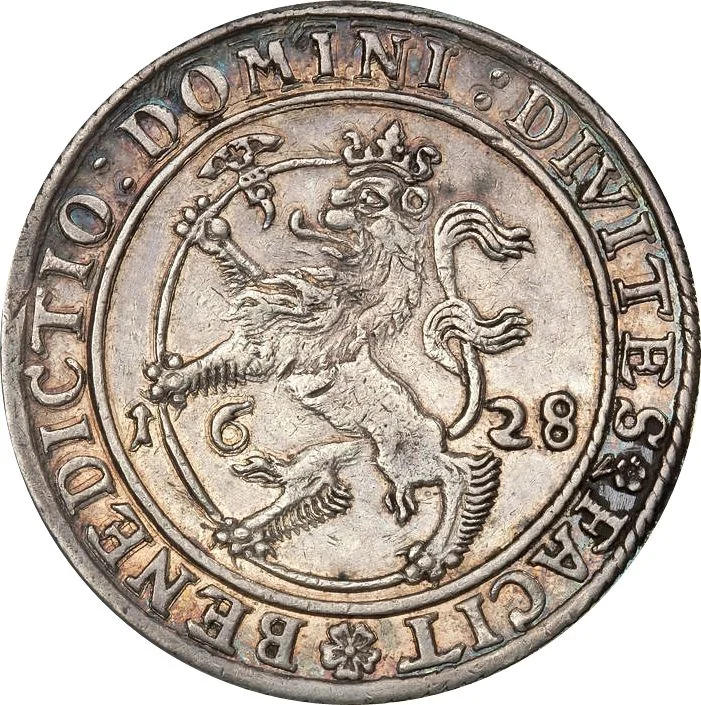
Reverse
Description:
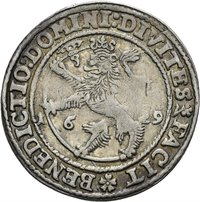
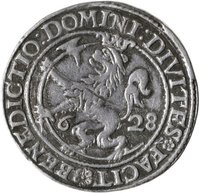
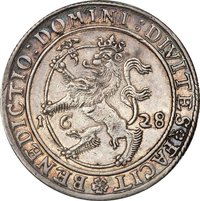
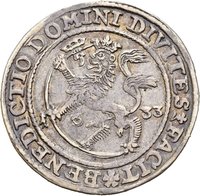
Two-tailed crowned lion rampant left, holding a halberd, flanked by date within beaded circle. Outer legend. Beaded edge.
Inscription:
BENEDICTIO:DOMINI:DIVITES (mm) FACIT🏵
16 28
16 28
Script: Latin
Edge
Plain.
Categories
| Animal |
| Person> Monarch |
| Symbol> Crown |
| Symbols> Coat of Arms |
| Object> Cold weapons |
Mints
| Name | Mark |
|---|---|
| Christiania | — |
Mintings
| Year | Mint Mark | Mintage | Quality | Collection |
|---|---|---|---|---|
| 1628 | — | — | ||
| 1629 | — | — |
Historical background
In 1628, Norway was part of the dual monarchy of Denmark-Norway, and its currency system was entirely directed by the Danish crown in Copenhagen. The primary circulating coin was the Danish riksdaler (rix-dollar), a large silver coin that served as the standard unit of account for larger transactions. However, the monetary situation was chronically unstable due to repeated debasements. The state, frequently strapped for cash from costly wars and maintaining a large navy, would reduce the silver content in coins while ordering them to be accepted at their old face value, a practice that eroded public trust and caused inflation.
The everyday reality for Norwegians was a confusing mix of old and new coins of varying intrinsic worth. Alongside the official riksdaler, its subsidiary skilling coins, and the mark, people also used a limited amount of physical goods in barter, especially in remote rural areas. A significant problem was a persistent shortage of small change, which crippled local markets and daily trade. This shortage was exacerbated by the fact that older, purer silver coins were often hoarded or melted down for their bullion value, leaving the poorer-quality new coins in circulation—a classic example of Gresham's Law, where "bad money drives out good."
King Christian IV's government was aware of these issues but struggled to solve them. The year 1628 fell within a period of attempted monetary reform, following a major debasement in 1625. Efforts were made to introduce a new, standardized coinage, but confidence was low. Furthermore, Norway's economy was heavily dependent on the export of raw materials like timber and fish, often traded with Dutch and German merchants who brought in their own, more reliable foreign coins, adding another layer of complexity to the monetary landscape. Thus, the currency situation remained a source of economic weakness and public grievance throughout the realm.
The everyday reality for Norwegians was a confusing mix of old and new coins of varying intrinsic worth. Alongside the official riksdaler, its subsidiary skilling coins, and the mark, people also used a limited amount of physical goods in barter, especially in remote rural areas. A significant problem was a persistent shortage of small change, which crippled local markets and daily trade. This shortage was exacerbated by the fact that older, purer silver coins were often hoarded or melted down for their bullion value, leaving the poorer-quality new coins in circulation—a classic example of Gresham's Law, where "bad money drives out good."
King Christian IV's government was aware of these issues but struggled to solve them. The year 1628 fell within a period of attempted monetary reform, following a major debasement in 1625. Efforts were made to introduce a new, standardized coinage, but confidence was low. Furthermore, Norway's economy was heavily dependent on the export of raw materials like timber and fish, often traded with Dutch and German merchants who brought in their own, more reliable foreign coins, adding another layer of complexity to the monetary landscape. Thus, the currency situation remained a source of economic weakness and public grievance throughout the realm.
Series: 1628 Norway circulation coins
✨ Legendary