

¼ Speciedaler – Norway
Norway
Context

Material
References
KM: #Click to copy to clipboard10
Numista: #115216
Value
Bullion value: $18.70
Obverse
Description:
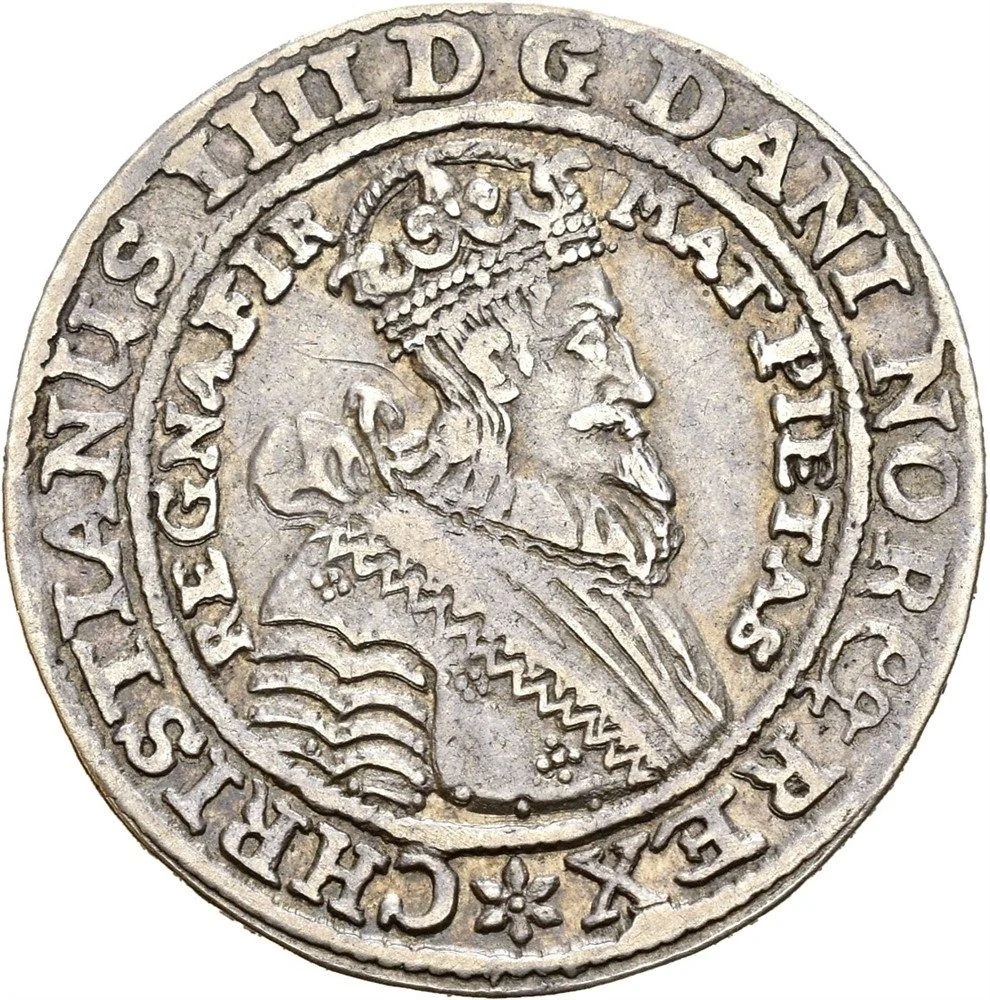
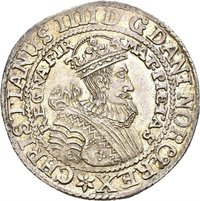
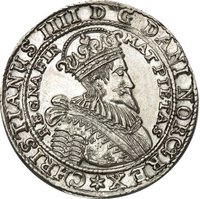
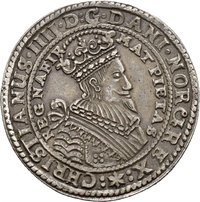
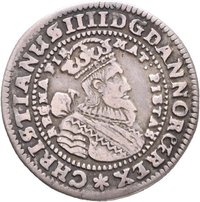
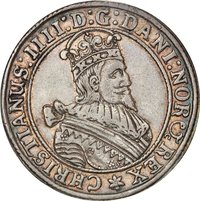
Right-facing crowned bust of Christian IV in high collar, within beaded circle and inscription. Outer legend and beaded edge.
Inscription:
REGNA FIRMAT PIETAS
CHRISTIANUS IIII D G DANI NOR&REX✽
CHRISTIANUS IIII D G DANI NOR&REX✽
Script: Latin
Reverse
Description:
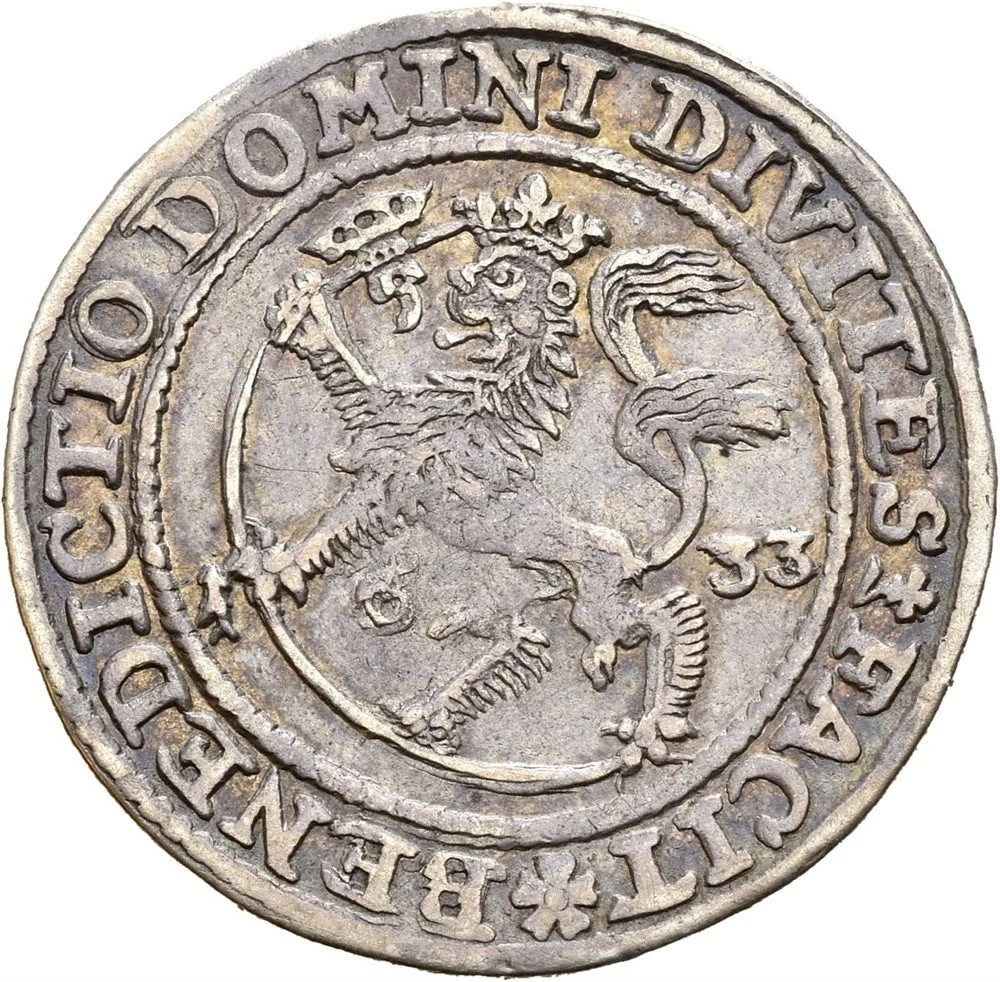
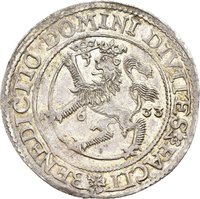
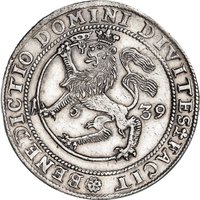
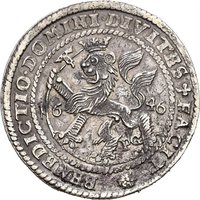
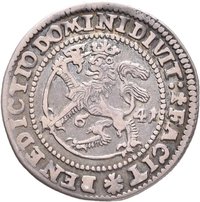
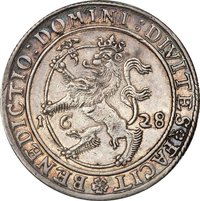
Two-tailed crowned lion rampant left, holding a halberd, flanked by date within beaded circle. Outer legend. Beaded edge.
Inscription:
BENEDICTIO DOMINI DIVITES (mm) FACIT🏵
1 6 33
1 6 33
Script: Latin
Edge
Plain.
Categories
| Symbols> Coat of Arms |
| Object> Cold weapons |
| Animal |
| Person> Monarch |
| Symbol> Crown |
Mints
| Name | Mark |
|---|---|
| Christiania | — |
Mintings
| Year | Mint Mark | Mintage | Quality | Collection |
|---|---|---|---|---|
| 1629 | — | — | ||
| 1630 | — | — | ||
| 1631 | — | — | ||
| 1632 | — | — | ||
| 1633 | — | — | ||
| 1634 | — | — | ||
| 1635 | — | — | ||
| 1636 | — | — | ||
| 1637 | — | — | ||
| 1638 | — | — | ||
| 1639 | — | — | ||
| 1640 | — | — | ||
| 1641 | — | — | ||
| 1642 | — | — | ||
| 1643 | — | — | ||
| 1646 | — | — | ||
| 1647 | — | — |
Historical background
In 1629, Norway was part of the dual monarchy of Denmark-Norway, and its currency situation was complex and troubled. The kingdom operated on a silver standard, with the primary unit being the riksdaler, but a plethora of older, debased coins and foreign currency also circulated, leading to confusion. The state's finances were strained by costly involvement in the Thirty Years' War, leading to repeated debasements—reducing the silver content in coins—to generate short-term revenue. This practice, while filling the royal coffers, eroded public trust and sparked inflation, as the intrinsic value of coins fell below their face value.
The year itself was not one of major monetary reform but fell within a period of significant economic difficulty. A severe economic downturn, exacerbated by the war and trade disruptions, was felt acutely. The circulating coinage was a chaotic mix, including not only official Danish-Norwegian issues but also klippe coins (emergency square coins minted from cut-up plate metal) and substantial amounts of high-quality foreign silver coins like Dutch leeuwendaalders, which were often hoarded due to their reliable silver content. This led to Gresham's Law in action, where "bad money drives out good," further destabilizing the local economy.
Ultimately, the currency situation reflected Norway's lack of independent monetary policy and the crown's fiscal priorities. The problems of 1629 were part of a longer trajectory that would eventually lead to more systematic reforms later in the 17th century, including the establishment of a national bank and attempts to standardize the currency. For merchants and common people in Norway at the time, however, it meant navigating a unreliable monetary system where the value of coins was uncertain, creating hardship in an already challenging period of famine and war.
The year itself was not one of major monetary reform but fell within a period of significant economic difficulty. A severe economic downturn, exacerbated by the war and trade disruptions, was felt acutely. The circulating coinage was a chaotic mix, including not only official Danish-Norwegian issues but also klippe coins (emergency square coins minted from cut-up plate metal) and substantial amounts of high-quality foreign silver coins like Dutch leeuwendaalders, which were often hoarded due to their reliable silver content. This led to Gresham's Law in action, where "bad money drives out good," further destabilizing the local economy.
Ultimately, the currency situation reflected Norway's lack of independent monetary policy and the crown's fiscal priorities. The problems of 1629 were part of a longer trajectory that would eventually lead to more systematic reforms later in the 17th century, including the establishment of a national bank and attempts to standardize the currency. For merchants and common people in Norway at the time, however, it meant navigating a unreliable monetary system where the value of coins was uncertain, creating hardship in an already challenging period of famine and war.
Series: 1629 Norway circulation coins
✨ Legendary